Category Archives: CUSTOM PATCHES

Best quality embroidered badges, monograms, and customized iron-on patches for clothing and accessories.


stylish branded hat patches

Custom Patches on Hats: A Stylish Way to Show Off Branding

Custom patches on hats are a highly effective and stylish way to enhance brand visibility and express identity, making them essential for businesses aiming to stand out in a competitive market. These patches come in various types such as embroidered, which add a textured and durable finish, and woven, which allow for more detailed designs. The strategic use of these patches on hats not only increases engagement during promotional events but also fosters long-term customer loyalty through continuous brand reinforcement. By choosing the right materials and designs, businesses can guarantee these patches remain vibrant and appealing under various conditions. As patches contribute considerably to brand aesthetics and strategy, exploring their full potential can offer deeper insights into effective promotional tactics.

Understanding Custom Patches

Custom patches are unique embellishments that are affixed to fabric items, such as hats, to showcase personal style, represent affiliations, or promote branding. These patches come in various types, each distinguished by its method of creation and attachment. Embroidered patches, for instance, offer a classic, textured look and are sewn onto hats, making them durable and suitable for frequent use. On the other hand, woven patches provide finer detail and a flatter finish, ideal for intricate designs.

Keeping abreast of design trends is essential in the patch industry. Recently, there has been a shift towards eco-friendly materials and 3D embroidery, which offers a modern twist on traditional styles. These trends not only enhance aesthetic appeal but also cater to the growing consumer demand for sustainable and innovative products.

When selecting a patch for a hat, it’s important to reflect on both the visual impact and the message it conveys. Whether it’s a bold, graphic logo or a subtle, symbolic emblem, the design should align with the wearer’s identity or the brand’s image. This careful reflection guarantees that the patch serves its intended purpose effectively, maximizing both style and significance.

Benefits of Hat Branding

Elevating a brand’s visibility often involves strategically placed logos and design elements on wearable items, and hats present a particularly effective medium for this purpose. Utilizing custom patches on hats as a part of a marketing strategy can considerably boost brand recognition and forge a stronger connection with the target audience. Hats are not only practical but also fashionable, making them ideal carriers for a brand’s unique identity and message.

The advantages of branding hats with custom patches include:

  1. Enhanced Brand Recognition: Every time someone wears a hat featuring your logo, it increases your brand’s visibility to a wider audience, reinforcing brand recall.
  2. Audience Engagement: Customized hats can be used at promotional events, engaging and exciting potential customers, and encouraging interaction with your brand.
  3. Product Differentiation: By offering uniquely designed hats, your brand stands out in a crowded market, helping to establish a unique identity and fostering customer loyalty.

Integrating custom patches into your brand’s hats is not just a fashion statement; it’s a strategic tool that can influence customer perceptions and drive business success. This approach guarantees your brand remains in the public eye, promoting continuous engagement and loyalty.

Popular Patch Designs

As we explore popular patch designs for hats, two standout categories are iconic logo interpretations and trendy textual statements. These designs not only serve as a form of personal expression but also play a vital role in brand recognition and messaging. Understanding these popular choices can notably enhance the appeal and effectiveness of custom hat patches.

Iconic Logo Interpretations

Iconic logo interpretations are a cornerstone of custom patch design, especially prevalent in the fashion industry where classic emblems are reimagined for contemporary appeal. Through the lens of logo evolution, brands leverage the nostalgic yet fresh allure of retro influences to maintain brand recognition while injecting creative expression. This fusion not only highlights a brand’s history but also its adaptability to current design trends.

The transformation of logos into patch form on hats involves several layers of visual storytelling and artistic interpretation. Patches offer a tactile dimension that enhances the cultural significance of the emblem, making it more than just a brand marker—it becomes a symbol of community and identity. Here are key aspects that underscore their popularity:

  1. Brand Identity: Strongly defined visuals that resonate with both old and new generations.
  2. Patch Symbolism: Each design element in a patch can signify deeper meanings or celebrate heritage.
  3. Artistic Interpretation: Designers have the liberty to experiment with colors, shapes, and textures to convey unique narratives.

These reinterpreted patches not only honor the legacy of the original logos but serve as a canvas for ongoing innovation and engagement within the fashion industry.

Trendy Textual Statements

Shifting focus to another dynamic aspect of custom patches, trendy textual statements have emerged as a popular design choice in recent years. These patches are not just mere decorations; they are potent tools for communication, often used to make bold expressions and fashion statements. Brands and individuals alike capitalize on this trend, using creative slogans and impactful phrases to convey messages succinctly yet emphatically.

Expressive words and minimalist designs allow for versatility, making these patches suitable for various hat styles from casual snapbacks to formal fedoras. Playful typography and cultural references add an element of personalization and depth, enabling wearers to showcase their identity or beliefs in an unspoken yet visually compelling form. This approach to branding combines aesthetic appeal with the power of language, enhancing the hat’s visual impact while promoting a message.

The popularity of these patches lies in their ability to connect on a personal level with viewers through simple yet expressive words. Whether it’s a quote that resonates or a word that captures a movement, these textual elements transform ordinary headgear into a canvas of personal expression and cultural commentary, making every cap not just a piece of apparel but a statement piece.

Patch Fabric Choices

Choosing the right fabric for patches on hats is crucial for both the aesthetic appeal and durability of the final product. The choice of material can greatly influence the overall look and feel of the hat, making it essential to select a fabric that complements the design and purpose of the patch.

There are several popular fabric options for creating distinctive patches:

  1. Cotton Canvas – Known for its robustness and excellent ink absorption, making it ideal for vibrant and detailed designs.
  2. Leather Patches – Offers a premium look with its rich texture, suited for high-end branding.
  3. Polyester Choices – Provides durability and color retention, ensuring the patch remains visually appealing over time.

Other materials like twill fabric and nylon blends also offer specific benefits, such as flexibility and weather resistance, respectively. Denim patches bring a casual, rugged appeal, while suede textures introduce a soft, luxurious element to the design. Felt options, meanwhile, provide a vintage look with a soft texture, suitable for less intricate designs. The selection process should consider the target audience and the intended use of the hat, ensuring the material aligns with the overall branding strategy.

Durability Considerations

When selecting materials for custom patches on hats, durability is a vital consideration. The choice of fabric and adhesive plays a noteworthy role in guaranteeing patch longevity. Opting for high-quality materials can dramatically increase the lifespan of a patch, making it resistant to fading and wear. Fabric durability should be prioritized; materials like nylon and polyester offer excellent weather resistance and maintain their integrity through various conditions.

Stitching Quality

Stitching quality is another essential factor. Tight, uniform stitches prevent fraying and detachment, contributing considerably to the overall durability of the patch. It’s advisable to conduct wear testing on sample materials to observe how they withstand everyday handling and exposure to elements.

Strong Adhesive

Adhesive strength must not be overlooked. A strong adhesive guarantees that the patch remains securely attached to the hat, even after multiple uses and washes. Furthermore, colorfastness concerns should be addressed to prevent colors from bleeding or fading with exposure to sunlight and moisture.

Long Run Patches

Maintenance tips such as avoiding harsh detergents and minimizing exposure to extreme temperatures can help preserve the appearance and functionality of the patch. These considerations will aid in selecting the most durable materials for custom patches, enhancing both aesthetics and longevity.

Embroidery vs. Printed Patches

Many individuals find themselves weighing the merits of embroidery versus printed patches when personalizing hats. Embroidery, often favored for its classic appearance, involves stitch techniques that create a textured, three-dimensional look. This method is highly durable and gives a high-end feel to any hat. On the other hand, printed patches offer a smooth finish with vibrant color possibilities, achieved through digital printing techniques directly onto the fabric.

When considering patch applications, it’s important to evaluate which method aligns best with your brand’s image and the style of the hat. Here are three key differences:

  1. Durability: Embroidered patches are generally more durable, standing up to wear and tear better than printed ones.
  2. Aesthetics: Embroidery provides a prestigious appearance due to its raised texture, while printed patches can incorporate detailed designs and a wider range of colors.
  3. Cost: Printed patches are typically less expensive and quicker to produce, making them suitable for large orders or limited budgets.

Choosing between these options depends on your specific needs and the statement you wish to make with your branded merchandise. Both methods have their unique advantages, making them suitable for different scenarios in the competitive world of custom apparel.

Design Tips for Maximum Impact

Designing custom patches for hats requires careful consideration to guarantee they capture attention and convey your brand’s message effectively. Utilizing principles of color theory can profoundly impact the visibility and emotional appeal of your patch. Choose colors that not only stand out but also complement each other and reflect your brand’s identity. For instance, contrasting colors, based on the color wheel, can make your design pop, while analogous colors offer a more harmonious visual experience.

Text/Font Styling

Typography choices, similarly, play an essential role in readability and brand alignment. Selecting the right font is vital; it should be legible from a distance yet stylish enough to enhance the overall design. Avoid overly decorative fonts that might sacrifice clarity. Instead, opt for bold and clean typography that can be easily read, ensuring that your message is immediately understood.

Placement Strategies for Patches

Selecting the ideal placement for patches on hats is essential for maximizing visibility and aesthetic appeal. The strategic positioning not only enhances the design but also guarantees that the brand message is clearly communicated. When determining where to place a patch, one must consider the hat’s style, the patch’s size, and the intended statement it makes.

To achieve best patch alignment and maintain visual balance, consider the following factors:

  1. Front Placement: The most common and impactful location is the front panel of the hat. This area offers maximum exposure as it is directly in the line of sight for anyone interacting with the wearer.
  2. Side Placement: Placing patches on the side can offer a subtler branding approach. It is ideal for smaller patches that complement the main design rather than overpowering it.
  3. Back Placement: Often used for secondary logos or smaller details, the back of the hat serves as an additional canvas without disturbing the primary visual balance.

Each placement option has its merits and should be chosen based on the specific goals of the branding campaign. Effective patch placement reinforces brand identity while maintaining the hat’s aesthetic integrity.

Case Studies: Successful Implementations

Having explored the strategic placement of patches on hats, we now turn our attention to real-world applications that highlight successful implementations. One notable example is a startup that leveraged patch creativity to amplify its visual identity. By incorporating innovative design trends into their hat patches, they not only established a distinctive brand storytelling but also considerably boosted their market impact.

This company’s approach was centered around creating a series of limited-edition patches that captured the essence of their brand while engaging directly with consumer interests. Their promotional strategies were carefully crafted to generate buzz on social media, leading to heightened consumer engagement. Each patch release was accompanied by a backstory related to the brand’s core values and mission, enhancing the emotional connection with the audience and fostering loyalty.

Another case involved a well-established sports brand that redefined its branding success using retro-inspired patches that tapped into nostalgic design trends. These patches helped rejuvenate the brand’s image and attracted a broader demographic, illustrating how traditional elements in patch design can be revitalized to maintain relevance in a rapidly evolving market. Both examples underscore the effectiveness of well-thought-out patch applications in achieving branding success and strong consumer engagement.
cotton twill ideal embroidery

Why Cotton Twill Is the Most Popular Material for Custom Embroidery Patches

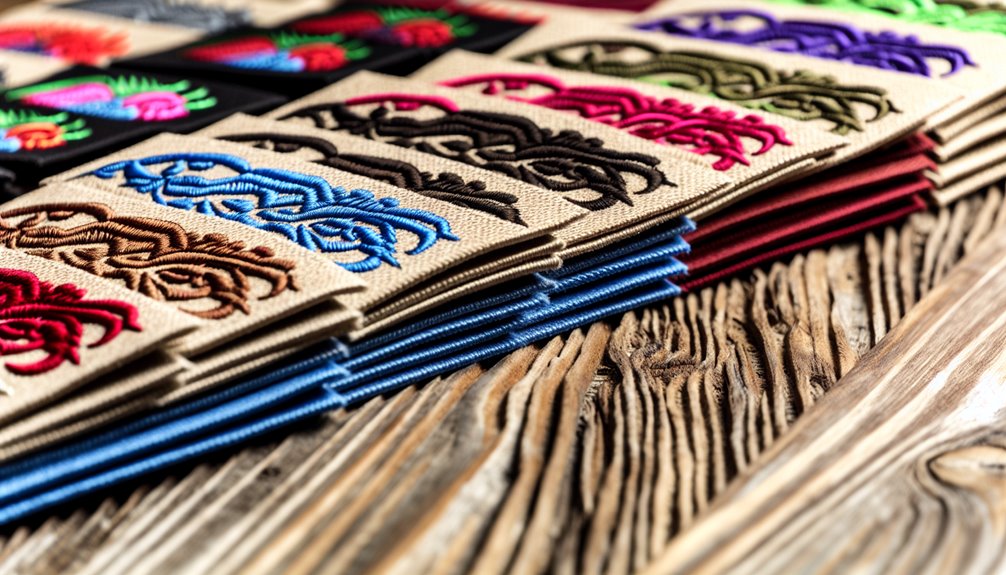
Cotton twill is the most popular material for custom embroidery patches primarily due to its robust durability, which comes from a diagonal weave that enhances strength and prevents wear and tear. This fabric also boasts an ideal texture for embroidery, offering a smooth surface that minimizes thread slippage and supports intricate stitch work, resulting in sharp, clear designs. Additionally, cotton twill’s ability to retain vibrant colors and withstand numerous washes without fading makes it exceptionally cost-effective and easy to maintain. Its versatile nature accommodates a wide range of artistic and functional applications, making it a practical choice for custom patches. Exploring these integrated qualities provides deeper insight into its widespread preference.

Durability and Longevity

Why is cotton twill the preferred fabric for custom embroidery patches? This fabric, known for its reliability, stands out primarily due to its durability and longevity, which are vital in the lifecycle of embroidered patches. Cotton twill is characterized by a diagonal weave or pattern that inherently enhances its strength, making it an ideal choice for enduring the rigors of frequent use.

One of the significant benefits of cotton twill is its exceptional color retention. This quality is essential because patches often serve as a means of identification or representation; they need to maintain their appearance over time. The robust fabric weight of cotton twill supports this, guaranteeing that the colors do not fade quickly even after multiple washes or exposure to environmental factors.

Moreover, the considerable fabric weight of cotton twill not only contributes to its overall longevity but also helps in maintaining the shape of the patch. Lesser quality fabrics can tear or wear thin, causing the patch to lose its form and effectiveness as a decorative or functional item. Cotton twill, with its superior durability, guarantees that patches remain both functional and aesthetically pleasing for a longer period, making it the go-to material for high-quality custom embroidery patches.

Ideal Texture for Embroidery

Beyond its durability and longevity, cotton twill’s texture makes it exceptionally suitable for custom embroidery. The fabric’s distinct diagonal weave not only enhances its aesthetic appeal but also provides a robust structure that supports intricate stitches. This structural integrity is essential for maintaining stitch quality, especially when dealing with complex designs and patterns.

Cotton twill’s moderate fabric weight contributes considerably to its embroidery-friendliness. A too light fabric can pucker and distort under the weight of the embroidery, while a fabric that is too heavy might resist the needle, leading to uneven stitches or damaged equipment. Cotton twill strikes the perfect balance, offering a smooth surface that allows the needle to pass through effortlessly, thereby guaranteeing uniform stitch quality across the design.

Moreover, the slightly raised surface of cotton twill due to its weave pattern helps in catching and holding threads securely. This characteristic minimizes slippage and misalignment of threads, which are common issues in smoother fabrics. As a result, the final embroidered patch exhibits a clean, crisp appearance that is visually appealing and durable. The careful consideration of cotton twill’s texture in relation to embroidery secures both functional and aesthetic success in custom patches.

Versatility in Design

Cotton twill’s inherent flexibility extends to its adaptability in various design applications, making it an ideal choice for custom embroidery patches. This material not only supports intricate needlework but also excels in showcasing vibrant color options and complex pattern adaptability. The tight weave of cotton twill provides a smooth surface that allows for precise embroidery, guaranteeing that even the most detailed designs maintain their clarity and sharpness. This attribute is particularly beneficial when replicating logos or emblems that require exact color matches and distinct outlines.

Moreover, the versatility of cotton twill allows designers to experiment with a wide range of aesthetics, from bold and graphic to subtle and intricate. This adaptability makes it suitable for various applications, whether for corporate branding, military insignias, or artistic expressions. The fabric’s ability to hold dyes well guarantees that colors remain bright and resistant to fading, which is vital for patches that are frequently exposed to sunlight and washing.

Through its combination of durability, color fidelity, and design flexibility, cotton twill stands out as the foremost material for custom embroidery patches, accommodating an extensive array of design preferences and functional demands.

Ease of Maintenance

Maintaining custom embroidery patches made from cotton twill is remarkably straightforward, enhancing their appeal for frequent use. This durability is largely due to the fabric’s notable color retention and breathability, which are vital for long-lasting wear and comfort. Cotton twill’s structure allows it to withstand numerous washes without losing its vibrant hues, guaranteeing that the patches continue to look new and professionally sharp over time. Additionally, the natural breathability of the fabric guarantees that it dries quickly and remains resistant to mildew and odors, an essential factor for items subjected to frequent laundering.

Care for these patches is uncomplicated. They can typically be machine washed in cold water with like colors and tumble dried on a low setting. It’s advisable to turn garments inside out before washing to protect the embroidery from abrasion. Avoid using bleach or fabric softeners, as these can break down the fibers and affect both the color and integrity of the patch. Ironing should be done on a low heat setting and preferably on the reverse side to avoid direct contact with the embroidered area.

Cost-Effectiveness

The affordability of cotton twill makes it an excellent choice for custom embroidery patches, particularly for organizations looking to manage their budget effectively. Cotton twill is not only less expensive than many alternative materials but also offers significant savings when combined with effective pricing strategies and bulk purchasing. This makes it particularly attractive for large-scale projects or organizations that require regular updates to their branded materials.

Key points highlighting its cost-effectiveness include:

  • Lower Base Cost: Cotton twill is generally cheaper per yard compared to materials like denim or silk.
  • Bulk Purchase Discounts: Suppliers often provide discounts for large quantities, making bulk purchases economically viable.
  • Durability: The long-lasting nature of cotton twill means less frequent replacements, saving money over time.
  • Ease of Processing: Its compatibility with various embroidery machines reduces production errors and waste.
  • Simplified Logistics: Being a widely available material, cotton twill is easier to source and manage, which can reduce shipping and handling costs.
custom patches enhance uniform branding

5 Reasons Why Custom Patches Are Key in Uniform Branding

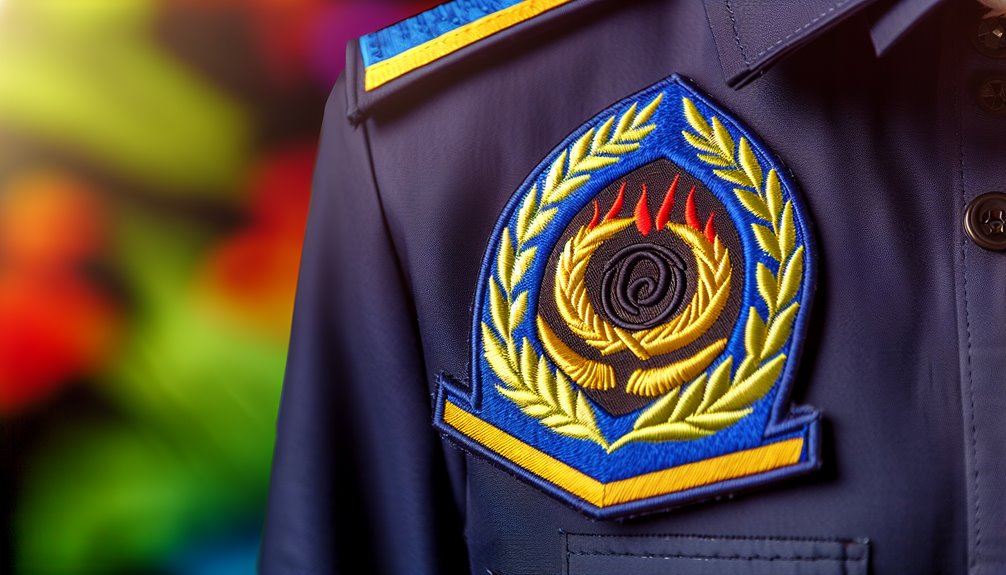
Custom patches play an essential role in uniform branding by enhancing brand visibility through the integration of striking logos and colors, promoting team unity by symbolizing shared values and goals, and offering design flexibility with a variety of shapes, sizes, and colors tailored to unique brand needs. They contribute to the longevity and cost-effectiveness of uniform investment due to their durable materials and manufacturing techniques. Additionally, patches support consistent brand representation across various uniforms, vital for businesses operating at multiple locations or sectors. Exploring the strategic use of custom patches further reveals their integral impact on professional appearance and brand strategy.

Enhancing Brand Visibility

Custom patches on uniforms serve as a powerful branding tool, greatly enhancing brand visibility. By integrating specific visual identity elements into the design, such as logos, colors, and symbols, these patches make an immediate and memorable impact. This visual strategy is central to effective brand recognition strategies, as it helps to distinguish a brand in the competitive market.

Moreover, custom patches are not just about aesthetics; they are a declaration of identity. They communicate the values and ethos of the organization or team, making them an integral part of the brand’s narrative. For instance, a patch could showcase an eco-friendly initiative, signaling a commitment to sustainability that resonates with a target audience. This alignment between what the brand stands for and how it presents itself visually strengthens brand loyalty among customers and supporters.

To maximize the impact, it’s essential that the design and placement of these patches are thoughtfully considered. They should be conspicuous enough to catch attention while harmoniously blending with the overall uniform design. In this way, custom patches not only enhance visibility but also contribute to a cohesive brand image, reinforcing the brand’s presence at every public appearance.

Promoting Team Unity

Beyond enhancing brand visibility, custom patches also play an essential role in promoting team unity. These unique identifiers are not just logos or designs; they embody the essence of a group’s identity and foster a sense of belonging among its members. When individuals wear uniforms adorned with custom patches, they feel a part of something larger than themselves, enhancing team spirit and acting as a morale booster.

Custom patches can greatly enhance team unity in several ways:

  • Shared Identity: Wearing the same emblem reinforces a collective identity, reminding team members they are working towards a common goal.
  • Pride in Representation: Each patch is a badge of honor, symbolizing commitment and dedication to the team’s values and objectives.
  • Morale Booster: Seeing a tangible representation of the group’s ethos can uplift spirits and motivate members to contribute their best efforts.
  • Visual Cohesion: Uniform patches create a visually cohesive appearance that can strengthen the perception of unity and collaboration among team members.
  • Recognition and Reward: Custom patches can be used to acknowledge individual or team achievements, further enhancing motivation and cohesion within the group.

These aspects highlight how custom patches are instrumental in building and maintaining a committed and unified team.

Offering Design Flexibility

Design flexibility stands as a vital advantage of custom patches, enabling organizations to tailor visual representation precisely to needs. With myriad design options available, custom patches offer an unrivaled avenue for creative expression. This flexibility allows for the fine-tuning of details to align with brand identity and organizational values, guaranteeing that each patch not only serves a functional purpose but also communicates a specific ethos or mission.

Feature Benefit
Variety of Shapes Conforms to different logo designs
Multiple Color Choices Matches exact brand color specifications
Range of Sizes Fits various uniform styles and purposes
Custom Text Options Allows for unique messages and branding

Each of these features contributes to a patch’s ability to be a true representative of the brand. This adaptability in design not only enhances the aesthetic appeal of a uniform but also boosts its recognition value among the public. By integrating distinct design elements, organizations can guarantee that their uniforms stand out, reinforcing brand presence and identity in every interaction. Consequently, custom patches play a significant role in effective uniform branding, merging functionality with stylistic customization.

Ensuring Durability and Cost-Effectiveness

Durability and cost-effectiveness are essential considerations when selecting custom patches for uniform branding. The material selection and patch placement play pivotal roles in guaranteeing that these patches can withstand daily wear and tear while providing value for money. It’s important to choose patches that not only look good but can also hold up under the conditions in which they will be used.

  • Material Quality: Opt for high-quality materials that resist fading, fraying, and tearing. This guarantees the patches remain presentable and intact over time.
  • Manufacturing Technique: Techniques like embroidery or sublimation affect both the durability and appearance of the patch. Choose a method that bonds well with your uniform’s fabric.
  • Patch Placement: Strategic placement can prevent excessive wear and tear. Position patches in areas less exposed to friction and stress.
  • Adhesive Quality: Guarantee that the adhesive or sewing method used to attach the patch is strong enough to handle frequent use and cleaning.
  • Cost per Unit: Consider the cost-effectiveness by evaluating the longevity versus the price. Investing in better quality may be initially higher but more economical in the long run.

Selecting the right combination of these elements will maximize the lifespan and impact of your branded uniforms.

Supporting Brand Consistency

How can organizations guarantee their brand remains consistent across all employee uniforms? Custom patches play a pivotal role in maintaining uniformity and reinforcing brand identity. By incorporating custom patches, organizations make certain that every element of the uniform reflects the company’s values and aesthetic, fostering instant visual recognition across various settings.

Custom patches offer a controlled, consistent brand presentation. Unlike direct embroidery or printed logos, which may vary slightly due to fabric differences or application techniques, patches are pre-manufactured to exact specifications. This uniformity is vital for businesses spanning multiple locations, where slight deviations in brand presentation could dilute the overall brand identity.

Furthermore, patches enhance the professional appearance of uniforms, making them integral to a cohesive brand strategy. They serve not only as a branding tool but also as a symbol of legitimacy and authority within the company. Employees wearing these patches embody the brand, promoting a unified image that resonates with both internal stakeholders and the public.

Making certain every employee’s uniform is adorned with a high-quality custom patch is essential for maintaining the integrity and recognition of the brand. It is a straightforward yet effective strategy to ensure that the brand message remains clear and consistent, no matter where it is seen.

custom patches dominate streetwear

How Custom Patches Have Taken Over the Streetwear Scene

Custom patches have dramatically reshaped the streetwear landscape, emerging from their military origins to become essential cultural symbols within fashion. Initially serving as practical identifiers, patches now thrive on the ability to convey personal identity and societal affiliations, largely influenced by the music and DIY cultures of the 1960s and 1970s. Today, in the streetwear context, they function as a canvas for self-expression and rebellion against mainstream fashion norms. With social media amplifying their appeal, these small yet potent elements transform ordinary apparel into unique statements, reinforcing community ties and promoting a personalized aesthetic that echoes the wearer’s values and beliefs. Exploring further, one discovers even deeper layers to their impact and significance in modern fashion.

History of Custom Patches

The use of custom patches can be traced back to military origins, where they were employed not only as a means of identification but also as symbols of camaraderie and achievement. Over time, patch evolution took these fabric insignias from strictly utilitarian applications in the military to emblematic uses across various cultures and subcultures, enhancing their cultural significance.

As patches evolved, they began to serve as a canvas for personal expression and group identity beyond the military. In the 1960s and 1970s, patches became prominent among youth subcultures such as bikers and punks, who used them to signal affiliation, beliefs, or social and political stances. This period marked a significant shift, as patches transformed from symbols of institutional identity to markers of personal identity and resistance.

The adaptability and accessibility of patches have allowed them to remain relevant as both artistic and political tools. They are now widely recognized not merely as decorative additions but as powerful mediums of self-expression and cultural dialogue. Their ongoing evolution reflects changes in societal values and norms, underlining their deep-rooted significance in both historical and contemporary contexts.

Patches and Streetwear Identity

As streetwear emerged as a distinctive fashion genre, custom patches quickly found their niche within this subculture, symbolizing both belonging and individuality. These patches serve as a canvas for wearers to express various facets of their identity, making each piece a unique fashion statement deeply embedded with personal and cultural significance. By integrating custom patches, individuals engage in a form of personal storytelling, using their apparel to narrate their life experiences, interests, and affiliations.

Custom patches in streetwear encapsulate:

  • Identity Expression: Each patch acts as a declaration of personal style and values, allowing wearers to showcase their unique identity.
  • Nostalgia Factor: Vintage or retro-style patches invoke a sense of nostalgia, connecting wearers to specific moments or eras.
  • Cultural Significance: Patches often reflect cultural symbols and ideologies, strengthening community connection through shared symbols.
  • Rebellious Spirit: Many adopt patches as a symbol of rebellion, challenging mainstream fashion norms and celebrating uniqueness.

This blend of artistic collaboration and expressive freedom not only enhances the visual appeal of streetwear but also fortifies the bonds within its community, making every patched garment a multifaceted statement piece.

Influence of Music and Art

Influencing streetwear profoundly, music and art have become integral to the evolution of custom patches. The cross-pollination between these domains has led to a dynamic fusion where musical inspiration and artistic expression are vividly captured in the designs of patches. This intersection not only reflects but also amplifies the cultural currents flowing through contemporary fashion.

Musical genres like hip-hop, punk, and indie have long been associated with distinct visual aesthetics, which are increasingly being translated into patch artwork. These patches serve as badges of identity and allegiance, encoding the spirit of the music into wearable art. Similarly, the influence of visual art movements, such as graffiti and pop art, has introduced a new lexicon of images and symbols into the streetwear patch scene. This shift underscores a growing trend where streetwear enthusiasts are not just wearers but curators of personal galleries that convey their musical tastes and artistic preferences.

The result is a rich tapestry of style that tells personal and collective stories. Through the medium of custom patches, wearers declare their cultural affiliations and showcase their individuality, making every patched jacket or bag a statement of personal ethos and a reflection of broader cultural dialogues.

DIY Culture and Fashion

DIY culture has considerably shaped the landscape of fashion, particularly through the customization of streetwear with elements like custom patches. This grassroots movement empowers individuals to express their unique style while also fostering a sense of community. Through DIY fashion, enthusiasts not only tailor their aesthetic but also embed personal stories and cultural identity into their garments, making fashion a truly personal statement.

The rise of DIY in fashion has been fueled by several key factors:

  • Accessibility of Materials: With online tutorials and craft stores, acquiring materials for customizing apparel, such as fabric paints, patches, and sewing kits, has never been easier.
  • Upcycling Techniques: Transforming old or unused clothing into fresh, fashionable pieces is both eco-friendly and creatively fulfilling.
  • Economic Benefits: Customizing existing clothes can be more cost-effective than purchasing new, designer items.
  • Community Connections: Workshops and online forums have sprung up, allowing for the sharing of ideas, techniques, and inspiration across the globe.

This participatory culture not only revitalizes one’s wardrobe but also enriches community bonds, as people come together to share skills and fashion insights. In this way, DIY fashion continues to influence mainstream trends and encourage a sustainable approach to consumerism.

Popular Types of Patches

Custom patches have become a hallmark of personalized streetwear, offering a wide array of designs that cater to diverse tastes and fashion statements. These patches, ranging from woven labels to boldly graphic prints, play a pivotal role in defining the aesthetics of an outfit, making each piece unmistakably unique. Patches are not merely adornments; they are emblems of identity and self-expression.

In the domain of streetwear, certain types of patches stand out, each contributing to the patch aesthetics in distinctive ways:

Type of Patch Emotional Impact
Embroidered Traditional yet versatile, evoking a sense of craftsmanship and durability.
Woven Labels Sleek and detailed, offering a refined look that enhances the garment’s perceived quality.
Chenille Adds a plush, tactile dimension that invites touch, suggesting comfort and nostalgia.
Printed Allows for vibrant, complex designs, reflecting modernity and trend-awareness.
Leather Conveys luxury and resilience, often associated with strength and rebellion.

Each patch type not only enhances the visual appeal but also communicates different messages about the wearer’s personality and style preferences. Therefore, choosing the right patch is vital for anyone looking to make a statement in the streetwear scene.

Techniques in Patch Making

In the domain of custom patches for streetwear, the techniques employed can markedly impact the final product’s quality. Embroidery techniques, for instance, offer a rich texture and durability, making them a popular choice for designers aiming for a premium look. Meanwhile, heat press applications provide a faster and more cost-effective method, though they may differ in longevity and detail when compared to traditional embroidery.

Embroidery Techniques Explored

Exploring embroidery techniques used in patch making reveals a diverse and intricate world that is essential to the identity of streetwear. These methods not only define the aesthetic and tactile qualities of the patches but also their durability and appeal. Embroidery styles and stitching techniques form the backbone of patch design, influencing everything from texture to color dynamics.

Some of the most prevalent embroidery techniques include:

  • Flat Embroidery: This straightforward technique is common for simpler designs, utilizing a flat stitch that lies directly on the patch fabric, offering a smooth finish.
  • 3D Puff Embroidery: Used to add dimension and prominence, this technique involves layering stitches over a foam base, creating a raised effect that stands out on any garment.
  • Chain Stitch: Featuring looped stitches that create a chain-like effect, this method is prized for its vintage aesthetic and texture, which adds depth to the design.
  • Appliqué: In this technique, pieces of fabric are sewn onto the patch base, allowing for the incorporation of different materials and textures, which can dramatically alter the patch’s appearance.

Understanding these methods enriches one’s appreciation of streetwear and highlights the craftsmanship behind every piece.

Heat Press Applications

Shifting from traditional needlework, heat press applied patches present a modern approach to patch making in streetwear. This technique uses heat press materials to affix designs onto fabric, offering a durable and vibrant alternative to sewing. Heat press customization allows for intricate designs that are difficult to achieve with embroidery.

Heat press techniques involve the use of a machine that applies heat and pressure to transfer artwork from a transfer paper to the fabric. This method is celebrated for its ability to handle complex, colorful heat press designs that remain vivid even after numerous washes, guaranteeing heat press durability is maintained.

To better understand the process, here’s a breakdown of the key components:

Component Function Importance
Heat Press Machine Applies heat & pressure Essential
Transfer Paper Holds the design to be transferred Critical
Adhesive Material Assures design sticks to fabric Vital for longevity

Heat press applications are not just about pressing a design onto a piece of clothing but about embedding style and identity into fabric. This method marries technology with creativity, pushing the boundaries of how streetwear can express individuality and cultural narratives.

Custom Patches in High Fashion

As the fashion industry continues to evolve, the role of custom patches in high fashion has grown considerably, particularly through designer collaborations that elevate these adornments to art. These patches are now seen as symbols of luxury, intricately designed and often exclusive, reflecting both the brand’s prestige and the wearer’s status. This intersection of high fashion and personalized detail not only enriches the aesthetic appeal of garments but also redefines them as unique pieces of wearable art.

Designer Collaborations Elevate Patches

The integration of custom patches into high fashion has been considerably advanced through collaborations with renowned designers. These partnerships have not only amplified the visibility of patches but have also infused them with a deeper level of designer identity and artistic expression. As designers meld their unique aesthetics with the versatile nature of patches, they create distinctive pieces that resonate with both fashion aficionados and a broader audience.

Here are some key elements that highlight the importance of designer collaborations in elevating custom patches:

  • Cultural Significance: Designers often draw on cultural narratives, embedding these stories into the fabric of their patches, thereby enriching the garments’ value and appeal.
  • Innovative Designs: Collaboration encourages innovation, pushing designers to explore uncharted territories of texture, shape, and color in patch design.
  • Brand Identity: Custom patches become a canvas for designers to express the ethos of their brand, creating a signature look that stands out in the fashion industry.
  • Artistic Freedom: These collaborations offer designers a platform to experiment with artistic ideas that might be too avant-garde for mainstream collections, leading to unique and expressive creations.

Consequently, through these collaborations, custom patches are transformed from simple embellishments to pivotal elements of high fashion storytelling and creativity.

Patches as Luxury Symbols

Within the realm of high fashion, custom patches have transcended their traditional roles, emerging as symbols of luxury and exclusivity. These embellishments are no longer mere fabric additions but pivotal elements in luxury branding. Renowned designers and prestigious fashion houses have integrated custom patches into their exclusive collections, showcasing intricate designs and exceptional craftsmanship. Each patch serves as a hallmark of quality and a beacon of the designer’s artistic vision, often handcrafted and laden with symbolic significance that appeals to the discerning tastes of the fashion elite.

The incorporation of custom patches into high fashion has redefined their perception, elevating them from functional to ornamental, from commonplace to coveted. In this situation, patches are not just added details; they are central features that convey status and sophistication. They often feature unique, bespoke elements that cater to an audience that craves differentiation and personalization in their luxury goods. This shift has not only enhanced the aesthetic appeal of high fashion garments but has also deepened the emotional and cultural connection between the brand and its clientele, reinforcing the exclusivity that is paramount in the luxury market.

Brand Collaborations and Trends

Brand collaborations have greatly propelled the popularity of custom patches in the streetwear industry, setting forth trends that blend heritage with contemporary aesthetics. These partnerships not only boost brand visibility but also allow for the infusion of diverse creative ideas, leading to unique, eye-catching designs that resonate with youthful consumers. Among such collaborations, the emphasis on fashion sustainability has become increasingly prominent. Brands are now more conscious about their environmental impact, incorporating sustainable practices into their custom patch production, which often involves using recycled materials or eco-friendly processes.

  • Celebrating Heritage: Many collaborations aim to celebrate cultural heritage, incorporating traditional symbols and styles with modern twists.
  • Innovative Materials: Use of biodegradable or recycled materials in patches to promote environmental responsibility.
  • Limited Edition Releases: Creates a buzz, making the items highly sought after and enhancing brand prestige.
  • Cross-Industry Partnerships: Expanding beyond typical fashion boundaries, brands are teaming up with technology companies, artists, and even food and beverage companies to create distinctive, themed patches.

These trends underscore a shift towards more thoughtful, responsible fashion where brand partnerships not only aim for aesthetic appeal but also advocate for ethical manufacturing and sustainability.

Future of Patches in Streetwear

As we examine the trajectory of custom patches in streetwear, it becomes evident that technological advancements and consumer preferences are poised to redefine their role in fashion. Looking ahead, patch trends are expected to evolve with future innovations that could greatly alter both aesthetics and functionality.

Emerging technologies, such as smart textiles and augmented reality, hint at patches that not only decorate but also perform. Imagine patches that change color based on temperature or mood, or that interact with smartphones to display dynamic content. This fusion of technology and traditional fashion elements could expand the utility of streetwear, transforming patches from mere symbols of identity and affiliation into tools of personal expression and connectivity.

Moreover, sustainability will likely influence future patch designs. As environmental awareness grows, there might be a shift towards biodegradable or recycled materials that cater to eco-conscious consumers. This shift requires designers to rethink materials and methods without compromising the quality and appeal of streetwear aesthetics.

custom player number patches

How to Personalized Player Number Patches for Sports Team

Personalizing player number patches for a sports team begins with selecting durable, comfortable materials like polyester or nylon that withstand rigorous activity, prioritize athlete performance, and feature a high-quality adhesive to combat sweat. Opt for vibrant sublimation printing for durable, clear designs, guaranteeing fonts are bold and readable from a distance with sufficient contrast against the uniform colors. Position patches consistently on each uniform for a professional, cohesive look. Attach them using precise heat application techniques, followed by thorough inspection and cooling to secure the patches effectively. Properly maintaining the patches involves gentle washing and air drying to prevent damage and guarantee longevity. Detailed exploration of these steps will further enhance your understanding of creating a distinct team identity.

Understanding Patch Basics

Why are personalized patches important for a sports team? The significance of personalized patches extends beyond mere decoration; they serve as a potent symbol of unity, identity, and pride within a team. Delving into the patch history, these small pieces of fabric have been used for centuries, originally as a means of identification in military units. This tradition has seamlessly evolved into sports, where each patch can represent personal achievements, team history, or commemorate special events.

Patch symbolism plays an essential role in sports, encapsulating the ethos and the spirit of the team. Each design element on a patch—from colors to motifs—tells a story, aligns players, and can even intimidate opponents. For instance, a patch might include stars representing championship victories or specific symbols that relate to the team’s hometown or mascot. These elements foster a deeper connection among team members and with their supporters.

Fabric Type Selection

Selecting the appropriate fabric type is vital for designing durable and comfortable player number patches for sports teams. The choice of material affects not only the look and feel of the patch but also its functionality and longevity on the field. When evaluating fabric types, it’s important to assess both natural and synthetic options. Cotton, for instance, is breathable and soft but might not withstand aggressive play and frequent washings as well as polyester or nylon would.

Each material also interacts differently with various patch sizes. Larger patches might require a sturdier fabric to prevent sagging or distortion during movement. Conversely, smaller patches can utilize lighter materials, offering flexibility without compromising on visibility. It’s vital to assess how the fabric responds to movement and environmental factors like moisture and dirt, which are commonplace in sports settings.

Furthermore, the method of attaching the patch to the uniform—sewing or heat-sealing—may also influence your fabric choice. Some materials bond better with certain adhesives or withstand sewing without tearing. Ultimately, the fabric selection should align with the team’s specific needs, ensuring that the patches are both practical and emblematic of the team’s spirit and identity.

Durability and Comfort Considerations

In the context of sports apparel, guaranteeing the durability and comfort of player number patches is essential. When selecting materials for these patches, several factors influence both patch longevity and comfort fit. Here are four key considerations:

  1. Material Type: Choose materials that resist wear and tear. Synthetic fibers like polyester are robust and maintain their shape and color even after numerous washes and rigorous sporting activities.
  2. Flexibility: The material should be flexible enough to move with the fabric of the sports jersey. Stiff patches can cause discomfort and may even lead to chafing during physical activity.
  3. Breathability: Opt for materials that allow for air circulation. Non-breathable patches can trap heat and moisture against the skin, creating an uncomfortable environment for the player.
  4. Adhesive Quality: Guarantee the adhesive or stitching used does not degrade with sweat or moisture. A strong, durable adhesive helps in maintaining the patch’s position without damaging the jersey fabric.

Designing Unique Numbers

When designing unique numbers for sports team patches, selecting the right font style is essential as it not only reflects the team’s identity but also guarantees readability from a distance. Additionally, choosing a color scheme that stands out while aligning with the team’s colors can enhance both aesthetics and visibility. These choices are fundamental in creating distinctive and functional player number patches that elevate team spirit and unity.

Choosing Font Styles

Choosing the right font style for player number patches is vital for both readability and team branding. When selecting a font, consider current font trends and legibility factors to guarantee that the numbers are easily visible and aesthetically pleasing. Here are four key considerations to guide you in choosing the most effective font style:

  1. Clarity and Size: Opt for fonts that are clear and large enough to be seen from a distance. Avoid overly decorative fonts that might compromise visibility.
  2. Font Weight: Choose a font with sufficient weight. Bold fonts tend to stand out more and are easier to read from far away, which is essential during fast-paced games.
  3. Character Spacing: Ascertain there is adequate spacing between the characters. Too little space can cause the numbers to blur into each other, reducing legibility.
  4. Style Consistency: The font should reflect the team’s identity. Whether it’s modern, classic, or bold, the style should be consistent with the team’s overall branding strategy.

Color Scheme Selection

After selecting the ideal font style for player number patches, the next step involves choosing the right color scheme. This stage is crucial as colors not only make the numbers visible but also play an integral role in team branding and embodying the spirit of the team. Color psychology should guide this choice because different colors evoke various emotions and reactions from both players and spectators. For instance, red can energize and motivate, while blue might calm and focus.

Consider the team’s existing colors to maintain a cohesive look. Contrast is also essential for readability; for example, light numbers on a dark background or vice versa. It’s important to test various combinations in different lighting conditions to guarantee the numbers are always legible, whether the game is under bright stadium lights or on a cloudy day.

Printing Techniques Explained

With the design elements of personalized player number patches established, the next vital step is understanding the different printing techniques available. Each method offers unique advantages and potential pitfalls, essential for creating high-quality custom orders.

Sublimation printing, a popular choice for vibrant and durable designs, uses heat to transfer dye directly into the fabric. This method guarantees that the colors do not fade or crack, but it requires careful handling to avoid printing errors. Digital printing offers similar quality with quicker turnaround times and is excellent for complex images, though it can be costlier for large orders.

Screen printing and vinyl application are more traditional but still widely used due to their cost-effectiveness and versatility in color matching. Screen printing, however, involves more setup, making it less suitable for small batches. Conversely, vinyl patches are quick to produce but might peel over time if not properly applied.

Embroidery techniques add a textured, upscale look to patches. While this method enhances durability and aesthetic appeal, it is generally more expensive and time-consuming, making it ideal for smaller, high-end custom orders.

When choosing a technique, consider patch placement, potential design software limitations, and the specific needs of your sports team to avoid costly mistakes.

Applying Patches to Uniforms

Once the appropriate printing technique for personalized player number patches has been selected, the next vital step involves the precise application of patches to the uniforms. This phase is essential for guaranteeing the longevity and professional appearance of uniform customization.

Here are the steps to guarantee successful patch application:

  1. Preparation: Confirm the uniform is clean and free of any wrinkles. This provides a smooth base for the patch, enhancing adhesion and alignment.
  2. Positioning: Place the patch precisely where it needs to be. It’s important to consistently position the patch in the same location on each uniform for uniformity across the team.
  3. Heat Application: Use a heat press or iron to attach the patch. The temperature and pressure must be accurately calibrated according to the fabric type and patch material to avoid damage.
  4. Cooling and Inspection: After applying heat, allow the patch and uniform to cool completely. Inspect each item to confirm the patch is securely attached and that there are no edges lifting.

Properly applying patches not only elevates the team’s appearance but also instills a sense of pride and identity among its members.

Maintaining Sports Clothing

Always turn the sports uniforms inside out before washing. This simple step helps to protect the patches from direct exposure to the harsh mechanical action inside the washing machine. Use cold water and a gentle detergent, setting your machine to a delicate cycle. Hot water and vigorous cycles can cause the patches to peel or fray.

Secondly, avoid using bleach or fabric softeners, which can degrade the adhesive and fabric of the patch. These chemicals are too harsh and can lead to premature wear and discoloration.

Air drying the uniforms rather than using a tumble dryer is preferable. High heat can melt the adhesive and distort the patch. If you must use a dryer, opt for a low heat setting.

Finally, for any loose edges or damage, consider a quick hand stitch to secure the patch. This preemptive measure prevents further damage and extends the patch’s life on the uniform.

designing custom sports logos

How to Design Sports Team Logo for Custom Patches

When designing sports team logo for custom patches, focus on typography and color choices that reflect the team’s spirit. Even personalizing numbers for jerseys need to ensure scalability and visibility. Opt for bold or fluid fonts based on the team’s dynamics, and select colors that evoke the desired emotions and enhance visibility, especially on varied uniforms. Symbolism should resonate deeply with the team’s ethos, incorporating elements that connect with local sensibilities and historical pride. Consider the patch material; durable fabrics like polyester and strong adhesives are essential for enduring sports activities. Collaboration with skilled designers will guarantee that these elements are seamlessly integrated, paving the way for a logo that truly embodies the team’s identity and unites its fans. Further exploration will reveal additional insights into the precise balance of aesthetics and functionality.

Understanding Logo Fundamentals

When designing team logo for custom patches, it is vital to grasp the fundamentals of logo design. A significant aspect of this process involves making informed typography choices. The typeface selected can profoundly impact the logo’s readability and emotional appeal. It should align with the team’s identity—bold and aggressive fonts may suit a football team, while a more fluid script might echo the elegance of a swimming squad.

Another fundamental principle to take into account is balance. Effective logos maintain a visual equilibrium that guarantees no single element dominates unless intended. This balance isn’t merely about symmetry but also involves the weight distribution of text and images across the logo. A well-balanced logo aids in maintaining the viewer’s focus and contributes to the overall cohesiveness of the design.

These principles are not just artistic choices but strategic ones that affect how the logo performs on various merchandise, including patches. Missteps in typography or balance can lead to a logo that fails to connect with its audience or one that becomes visually lost on a patch. As a result, careful examination of these elements is vital in creating an effective and enduring sports team logo.

Choosing the Right Colors

Selecting appropriate colors for a sports team logo is vital, as these choices greatly influence the logo’s visibility and emotional impact. Color psychology plays a pivotal role, as different colors evoke specific emotions and reactions from the audience. For instance, red can energize and excite, while blue might convey trust and calmness. Brand consistency is essential; colors should align with existing team uniforms and merchandise to enhance team spirit.

Moreover, color contrast guarantees the logo stands out on various backgrounds, vital for visibility on different types of merchandise, including custom patches. When considering audience preferences and cultural significance, it’s important to select colors that resonate well with your fan base while being sensitive to cultural contexts.

Accessibility is another key factor; colors should be distinguishable by everyone, including those with visual impairments. Seasonal themes might influence color choice but should not compromise brand consistency.

Below is a table summarizing key considerations in color selection:

Consideration Detail Importance
Color Psychology Evokes specific emotions High
Brand Consistency Aligns with team identity Essential
Color Contrast Enhances visibility Critical
Cultural Significance Respects cultural contexts Very important
Color Accessibility Suitable for all viewers Mandatory

Incorporating Symbolism and Identity

Symbolism and identity are foundational elements in the design of sports team logos, serving as a visual shorthand that encapsulates the team’s history, values, and aspirations. When creating a logo for custom patches, it is vital to integrate iconic imagery and cultural significance, ensuring that each element resonates deeply with both the team and its supporters. This approach not only strengthens the emotional connection fans feel but also enhances the visibility and memorability of the logo.

To effectively incorporate symbolism, consider motifs that are locally revered or historically relevant to the area the team represents. For instance, a team based in a region known for its maritime history might include nautical elements in their logo design. This not only pays homage to the local culture but also imbues the team’s identity with a sense of place and tradition.

Moreover, the use of culturally significant symbols can evoke a strong sense of pride and belonging among fans. It’s essential, however, to handle such symbols with respect and sensitivity to avoid misrepresentation or cultural appropriation. Properly balancing these aspects can transform a simple team logo into a powerful emblem of community identity and spirit.

Designing for Scalability

When designing sports team logos for custom patches, it is essential to prioritize simplicity in visual elements. This approach guarantees that the logo remains recognizable and impactful, even when resized to smaller dimensions for various applications. Designers must carefully evaluate how scaling down or up could affect the logo’s clarity and overall aesthetic, keeping both large displays and tiny patches in mind.

Simplify Visual Elements

Simplifying visual elements in sports team logos is vital for guaranteeing they are scalable and effective across various mediums. When designing a logo that will be used for custom patches, embracing minimalist design principles can be particularly beneficial. A minimalist approach not only guarantees that the logo remains recognizable and impactful when scaled down but also helps in maintaining clarity and distinctiveness.

Incorporating visual hierarchy is another essential aspect of logo design. This involves arranging and formatting elements in a way that guides the viewer’s eye to the most important parts of the design first. By prioritizing key components through size, color, and placement, you create a clear path for visual engagement. This strategy guarantees that even when details are reduced to fit smaller patches, the logo’s core message and identity remain intact and prominent.

Effective simplification means stripping down the design to its fundamental features without losing the essence of the team’s spirit and identity. This balance is vital as it guarantees the logo is versatile across different sizes and applications, from digital displays to embroidered patches. A well-simplified logo serves not just as a team emblem, but as a powerful, enduring symbol of the team’s brand.

Consider Resizing Impacts

When a logo is scaled down to fit smaller patches, details can merge or become indistinct, leading to a loss of the visual identity that fans and team members cherish. Employing resizing techniques adeptly guarantees the logo maintains its clarity and effectiveness across various sizes.

Check Scalability

To guarantee scalability, designers must focus on the core elements of the logo. This involves simplifying complex features that might clutter or muddle the design when resized. For instance, thin lines and small text should be adjusted or avoided. Instead, opt for bold, clean lines that remain visible even at smaller dimensions. Additionally, consider the color contrasts; high contrast helps in maintaining visibility and distinction in reduced forms.

Testing Sizing

Furthermore, testing the resized logo under different conditions and on various materials is critical. What looks good on a digital screen may not translate well to a fabric patch. Always create mock-ups to find a perfect size and to evaluate the logo’s effectiveness and clarity. This iterative process of testing and tweaking is essential in achieving a versatile and recognizable sports team logo that stands the test of time and size variations.

Selecting Materials for Patches

While picking up for base fabric, it’s essential to take into account the type of fabric, the quality of the thread, and the strength of the adhesive. Each one play significant role, let’s explore them one by one.

Patch Fabric Types

Selecting the appropriate fabric type is a critical decision in the design of custom sports team logo patches. The chosen material greatly impacts patch durability and the overall appearance of patch textures. When designing these patches, one must consider not just the aesthetic appeal but also the functional longevity of the fabric under various conditions such as exposure to weather, frequent washing, and physical activity.

Here is a brief overview of popular fabric choices for custom patches:

Fabric Type Characteristics
Polyester Highly durable, resistant to shrinking and stretching, maintains color well
Twill Classic weave, offers a textured appearance that enhances intricate designs
Felt Thick and soft, provides a vibrant background with a raised look

Each fabric brings its unique qualities to a patch. Polyester is renowned for its strength and vibrant color retention, making it ideal for sports that involve rigorous activity and outdoor exposure. Twill, with its distinctive diagonal weave, adds depth and enhances the visual complexity of a logo. Felt, being plush and thick, is perfect for creating a bold, standout effect. Careful selection based on the sport’s specific needs will guarantee the patch not only looks professional but lasts season after season.

Thread Quality Choices

The quality of thread used in embroidery considerably influences the durability and visual appeal of custom sports team logo patches. When selecting thread types, it is crucial to understand the different materials available and how they contribute to thread durability. Polyester and rayon are common choices, each offering distinct advantages. Polyester thread boasts superior durability, making it ideal for sports patches that will undergo frequent washing and exposure to harsh conditions. It resists fading and shrinking, guaranteeing that the logo’s integrity remains intact over time.

Rayon, while slightly less durable than polyester, offers a higher sheen which can enhance the visual impact of a patch. It is better suited for decorative purposes where conditions are controlled and less intense. It is vital to weigh these factors based on where and how the patch will be used.

Moreover, the thickness of the thread can affect both the detail of the embroidery and its resilience. Thicker threads provide robustness but may not be suitable for intricate designs. Conversely, finer threads allow for detailed work but might compromise on longevity. Carefully consider these aspects to guarantee your sports team’s logo maintains both its aesthetic and functional quality throughout its use.

Adhesive Strength Options

Durability plays a central role in the selection of adhesive materials for custom sports team logo patches. When choosing the right adhesive types for these patches, it’s vital to take into account both the material of the garment and the conditions under which the patch will be used. This guarantees both the longevity of the patch and the integrity of the garment.

Adhesives for patches generally fall into two categories: sew-on and heat-applied adhesives. Sew-on patches are durable but require manual stitching, which is time-consuming. Heat-applied adhesives offer a more convenient alternative, enabling quick attachment through heat application. However, the strength and endurance of these adhesives can vary markedly based on the fabric type and usage conditions such as exposure to moisture and frequent washing.

Selecting the proper adhesive is not merely a matter of convenience but a vital decision that affects the patch’s functionality and appearance over time. For instance, a heat-applied adhesive might be suitable for a polyester jersey but could fail on a nylon rain jacket because of the material’s resistance to heat application. Thus, understanding the specific adhesive properties and how they interact with different textiles is essential for guaranteeing that the patch remains securely attached and maintains its aesthetic appeal.

Collaborating With Graphic Designers

Collaborating with skilled graphic designers is an imperative step in creating a sports team logo that resonates with fans and stands the test of time. Engaging with a designer involves not just outlining your vision but also establishing a clear, open line of designer communication. This guarantees that your ideas are translated accurately into visual designs. It’s vital to provide creative feedback throughout the process. This interaction allows for the refinement and perfection of the logo, guaranteeing it fully represents the team’s ethos and spirit.

Effective collaboration with graphic designers requires both respect for their professional expertise and a willingness to actively participate in the creative process. As you navigate this partnership, make certain to discuss and agree upon critical aspects such as design style, color schemes, and the emotional impact you aim to achieve with the logo. Remember, the designer’s insight is invaluable in highlighting potential issues and bringing new ideas to the table that might not have been considered initially.

Lastly, guarantee all feedback is constructive and specific to foster a productive workflow. Avoid vague comments that can lead to confusion and delays. By meticulously managing this collaboration, the final product will not only be visually appealing but also a true emblem of the team’s identity.

military patches enhance tactical gear

5 Reasons Why Military Patches Are Essential in Tactical Gear

Military patches are essential in tactical gear for several compelling reasons. To begin with, they enhance unit identification, facilitating smooth coordination and reducing friendly fire risks during intense operations. These patches also serve as symbols of morale and solidarity, embodying unity and collective pride within a troop. Additionally, patches clearly mark command hierarchies, aiding in swift recognition of ranks and roles vital for effective decision-making. They preserve military heritage, bearing emblems of historical significance, and support tactical communication by allowing silent signals and roles clarification during missions. Understanding these facets sheds light on how structured and strategic military operations can achieve their missions more effectively.

Enhancing Unit Identification

Why are military patches essential to tactical gear? These patches are more than just symbols; they are critical tools for enhancing unit identification, which is crucial for both unit cohesion and operational efficiency. In the complex environment of military operations, quickly identifying one’s unit amidst the chaos is not merely a matter of order but of survival. Patches, with their distinctive insignias, enable soldiers to instantly recognize fellow unit members, which facilitates seamless cooperation and coordination.

This immediate visual identification is key in high-pressure situations where verbal communication might be compromised by noise or other interferences. The clarity that these patches provide can considerably streamline operational procedures, reducing the risk of friendly fire and guaranteeing that resources are efficiently allocated and utilized. Additionally, in multinational operations, patches help in distinguishing allies within the coalition forces, thereby enhancing collaborative efforts and minimizing confusion.

In essence, these patches serve as a silent yet potent communicator of affiliations and hierarchies within the military. They guarantee that every member knows their role and their teammates, which is indispensable for maintaining order, discipline, and effectiveness in missions. Consequently, military patches are not just ornamental but are fundamental components of tactical gear, directly impacting the success of military engagements.

Boosting Morale and Solidarity

Military patches also play a vital role in boosting morale and fostering solidarity among troops. When service members don the same emblem, it creates a sense of unity and collective identity that transcends individual differences. These patches serve not just as identifiers but as proud symbols of belonging to a group committed to shared goals and mutual support.

The table below highlights how different aspects of military patches contribute to team cohesion and pride expression:

Feature Contribution to Morale Impact on Team Cohesion
Symbolic Imagery Enhances group identity Solidifies team bonds
Unique Colors Builds distinctiveness Encourages unity
Mottoes & Slogans Inspires and motivates Strengthens group resolve

Each patch, with its colors, symbols, and text, tells a story of courage, honor, and duty, reminding each member of the values they stand for. This, in turn, boosts morale by providing a tangible connection to the group’s achievements and aspirations.

The effect of these patches on morale is significant. They are not mere pieces of fabric but emblems of pride and reminders of the support system each member contributes to. This emotional anchor is essential in challenging situations where perseverance is sustained by the strength of collective resolve and shared pride.

Facilitating Command Recognition

In addition to enhancing morale and solidarity, military patches serve an important function in facilitating command recognition. These patches are not merely ornamental but are key tools in identifying leadership hierarchy within the military structure. By providing clear markers of rank and role, they guarantee that members can quickly recognize authority figures in both peacetime and combat scenarios, enhancing operational effectiveness.

The use of patches helps in maintaining order and discipline, as personnel can immediately ascertain the command chain. This clarity is essential during deployments where rapid decision-making and adherence to orders can determine the success of a mission. For instance, in chaotic situations, a soldier can identify a commanding officer’s patch at a glance, enabling quick and efficient communication and action.

Moreover, patches play a significant role in strategic operations. They help in the seamless integration of various units and forces by marking out different commands and specialties. This is particularly important in joint operations involving multiple military branches, where understanding the leadership hierarchy through visible insignia can greatly impact cooperative efforts and mission accomplishment. Consequently, military patches are indispensable in reinforcing structure and authority within the armed forces.

Preserving Military Heritage

While military patches are integral in maintaining structure and hierarchy, they also play a significant role in preserving the rich traditions and history of the armed forces. These patches, beyond their immediate utility, are carriers of history preservation and cultural significance. Each insignia tells a story of past battles, victories, and the evolution of various military units.

Military patches encapsulate the essence of military heritage, serving not just as identifiers but as custodians of long-standing military traditions. They foster a sense of pride and continuity among service members, connecting the past with the present.

Era Patch Example Significance
World War II Eagle Crest Symbol of freedom and victory
Cold War Berlin Brigade Presence in divided Germany
Modern Day Cyber Command Adaptation to new warfare domains

The table above illustrates how patches have evolved to reflect strategic shifts and historical milestones within the military. This evolution underscores the patches’ role in chronicling the adaptive strategies and valorous tales of the armed forces. By donning these patches, military personnel carry forward a legacy, ensuring that the sacrifices and lessons of yesteryears are remembered and revered.

Supporting Tactical Communication

Beyond their historical and symbolic importance, military patches also play a vital role in supporting tactical communication among units. These patches are not just markers of identity but tools for tactical signaling and operational coordination. Each patch design can signify different roles, ranks, or specialties, allowing soldiers to quickly identify who is who in the complex web of battlefield operations. This immediate visual recognition is essential during missions where verbal communication might be compromised or impractical.

For instance, in dense environments or during covert operations, the ability to silently communicate through visual cues such as patches can be the difference between success and failure. These patches guarantee that even when traditional communication systems fail or are unavailable, members of a unit can still perform coordinated actions effectively. The strategic use of these symbols can facilitate non-verbal exchanges, vital in maintaining operational security and effectiveness.

Moreover, understanding the specific implications of various patches enhances the overall strategic comprehension among troops, contributing to more efficient team dynamics and command adherence. As a result, military patches serve not just as emblems of pride or tradition but are essential assets in the high-stakes arena of military operations, where every detail counts towards achieving tactical superiority.

top fonts for patches

5 Best Fonts to Use in Custom Patch Designs

When selecting fonts for custom patch designs, it’s essential to choose styles that enhance readability and match the tone of your message. Arial is favored for its clean, modern lines that maintain legibility across various sizes, making it versatile for different designs. Times New Roman offers a touch of formality with its serif design, ideal for more elegant patches. Verdana is recognized for its clear, stylish appearance, perfect for ensuring quick visibility. Courier New provides a distinct, bold look with a vintage flair, whereas Comic Sans infuses a casual and playful vibe, suitable for less formal applications. Each font serves distinct purposes and contexts, guiding effective communication through design. Exploring these options can greatly refine your aesthetic approach.

Arial: The Classic Choice

Arial, a quintessential choice for custom patch designs, stands out for its clean, modern lines and exceptional readability. When selecting a font for embroidery, the clarity that Arial offers is essential, especially when dealing with smaller patches where every detail counts. Its sans-serif nature enhances visibility, making it a reliable option for conveying messages succinctly and clearly.

Font versatility is a significant design consideration when choosing Arial. Its uniformity and lack of serifs allow for greater flexibility across various fabric textures and patch sizes. Designers can scale Arial without losing legibility, which is important for maintaining the integrity of the text in designs that range from bold logos to intricate taglines.

Moreover, Arial’s simplicity supports creativity. It serves as a subtle backdrop that allows other elements of the patch design—such as vibrant colors, unique shapes, or additional graphic elements—to stand out. This balance is crucial in custom patch design, where the goal is often to communicate a brand or message quickly and memorably.

When employing Arial in your custom patches, consider the context and overall design theme to maximize its effectiveness. Its professional yet modern aesthetic makes it suitable for both corporate and casual designs, ensuring broad appeal.

Times New Roman: Timeless Elegance

Times New Roman, renowned for its traditional elegance, offers a distinct contrast to more modern typefaces like Arial. Originating in the early 20th century, this serif font has become synonymous with formal documents and academic texts, reflecting a deep-rooted part of typography history. Its sophisticated appearance makes it a favorable choice for custom patch designs, especially when aiming for a classic and dignified look.

Key attributes of Times New Roman include:

  • Serif Design: Enhances readability and adds an air of formality.
  • High Contrast: The shift between thick and thin strokes provides a visual depth.
  • Versatile Aesthetic: Suitable for both text-heavy and decorative elements in design.
  • Font Pairing: Pairs well with sans-serif fonts like Arial for a balanced layout.

When using Times New Roman in patch designs, consider the size and spacing to maintain legibility. Its timeless elegance can elevate the overall aesthetic of the patch but requires careful application to avoid a dated appearance. Always verify the text is clear and the design complements the font’s traditional strengths, leveraging its historical prestige to enhance the patch’s impact.

Verdana: Clarity Meets Style

Verdana, designed by Matthew Carter for Microsoft in 1996, is celebrated for its exceptional clarity and style, making it an ideal choice for custom patch designs. This sans-serif font is particularly valued for its readability factors, which are vital when designing smaller items like patches where text must remain legible at various sizes and distances.

Verdana’s generous spacing and larger x-height enhance visibility, guaranteeing that each character stands out with sufficient breathing room, thereby reducing the risk of letters blending into each other. This feature is particularly important in dynamic environments where quick identification is necessary. Furthermore, its bold and regular styles provide design versatility, accommodating a wide range of aesthetic preferences and application needs.

The practicality of Verdana extends beyond its clear, straightforward appearance. It is designed to be unambiguous, which is critical in conveying information quickly and effectively in high-stakes settings. Whether used on emergency services patches or team uniforms, Verdana supports swift recognition and understanding, attributes that are invaluable in significant situations.

Incorporating Verdana into your custom patch designs not only promises aesthetic appeal but also guarantees that your message is communicated with precision and ease, a proof of its well-engineered design.

Courier New: Distinct and Bold

Moving from the versatile and modern appeal of Verdana, another iconic choice for custom patch designs is Courier New. This font, originally designed for typewriters, offers a distinctly vintage vibe that can add a layer of sophistication and assertiveness to any design. Its monospaced format, where each character occupies an equal amount of horizontal space, makes it highly legible and impactful in a design setting.

The unique design elements of Courier New contribute considerably to its popularity in custom patches, particularly those aiming to evoke a classic, yet bold aesthetic. Here are several reasons why Courier New stands out:

  • Monospaced Nature: Guarantees uniformity and a neat appearance, making the text easily readable.
  • Bold Lines: Offers excellent visibility, which is essential for smaller patches.
  • Vintage Appeal: Brings a classic typewriter text look that can be nostalgic or stylistically relevant.
  • Strong Typography Impact: The distinct appearance of Courier New makes it excellent for statements that require emphasis and prominence.

Incorporating Courier New into your custom patch designs not only speaks of a strong character but also enhances the overall appeal, guaranteeing the message is clear and visually striking.

Comic Sans: Fun and Casual

Shifting the focus to a more relaxed and whimsical option, Comic Sans presents itself as an ideal choice for those seeking a fun and casual atmosphere in their custom patch designs. Recognized for its friendly appearance, this font is perfect for playful designs that aim to convey a light-hearted and approachable vibe. Often used in children’s materials and informal events, Comic Sans can make your patches feel more personalized and less formal.

However, it’s important to take into account the branding impact of using Comic Sans. While it can enhance the playful aspect of a design, it might not be suitable for more serious or professional settings. The font has often been criticized for its overuse and perceived lack of professionalism, which could potentially undermine the credibility of a brand if not used appropriately.

When integrating Comic Sans into your patch design, balance its casual nature with the overall message you wish to communicate. Verify that it aligns with the image and expectations of your audience. By doing so, you can leverage the inherent charm of Comic Sans while maintaining a thoughtful and effective approach to your branding strategy.

explore unique patch shapes

How to Explore Custom Shapes for Unique Patch Designs

To explore custom shapes for unique patch designs, begin by understanding the interplay between design principles such as balance, contrast, and visual hierarchy. Initial sketches based on inspirational themes or images set the foundation, while digital design tools refine these ideas into precise, manipulatable vector graphics. Material selection is essential, impacting both the aesthetic and durability of your patch; fabrics must align with the intended use and environmental conditions to guarantee longevity. Additionally, prototyping is vital, allowing adjustment before final production. Exploring diverse shapes not only boosts creativity but also sets your designs apart in a competitive market, guaranteeing each patch’s functionality and visual impact are optimized before they reach their audience.

Understanding Patch Design Basics

Exploring the fundamentals of patch design is fundamental for creating visually appealing and meaningful patches. Understanding design principles and visual hierarchy forms the backbone of effective patch creation. Patches, whether for uniforms, bags, or promotional items, communicate identity and values, so getting the design right is essential.

Design principles such as balance, contrast, and unity govern how elements are arranged for aesthetic and functional harmony. For instance, a well-balanced patch draws the eye comfortably, using symmetry or asymmetry to convey a sense of order. Contrast, on the other hand, highlights key components of the patch design, making the imagery or text stand out and easily readable.

Visual hierarchy is particularly important. It directs the viewer’s attention to the most significant parts of the patch first. This is achieved by manipulating various elements like size, color, and texture. Larger, brighter elements are likely to attract attention first, setting the precedence of what’s followed by subtler, smaller details.

Careful consideration of these aspects guarantees the patch not only looks good but also communicates the intended message effectively and promptly. Each design choice should reinforce the patch’s purpose, making every element count.

Choosing Materials for Flexibility

Selecting the right materials is vital for designing flexible patches that meet both aesthetic and functional standards. Ideal fabric selection not only enhances the patch’s adaptability to various shapes but also guarantees longevity and resistance to wear and tear. When considering durability, it is important to evaluate how different materials withstand environmental factors and physical stresses.

Optimal Fabric Selection

Choosing the best fabric is fundamental for creating flexible and durable custom patches that can adhere seamlessly to various surfaces. When selecting materials, it’s essential to take into account fabric properties that guarantee your patches not only look good but also function well in various conditions. Here are some key factors to keep in mind:

  1. Fabric Properties: Look for fabrics that offer the right balance of flexibility and strength. Stretch requirements are critical for patches meant to be applied on garments that move or stretch, such as athletic wear. Weave types also affect the fabric’s ability to conform to different shapes and surfaces.
  2. Maintenance Needs: Opt for colorfast materials that maintain their color and texture over time, even after multiple washes. This ensures that the patches continue to look vibrant and new. Additionally, take into account the maintenance needs related to eco-friendly options which require special care.
  3. Seasonal and Print Compatibility: Choose fabrics that are suitable for seasonal use, guaranteeing that they perform well under different weather conditions. Also, verify that the fabric’s texture variations and weight considerations are compatible with the intended printing techniques for peak visual impact.

Durability Considerations

While evaluating materials for custom patches, it is important to contemplate the durability and flexibility required to withstand varying conditions and uses. When considering design longevity, one must think about how the patch will be used—whether on a frequently washed garment or an outdoor accessory exposed to weather elements. This decision impacts the type of materials chosen, as some may degrade quicker or lose their flexibility under stress.

Material resilience is another significant factor. Fabrics like nylon and polyester excel in retaining shape and strength over time, making them ideal for patches that demand elasticity and robustness. These synthetic fibers not only resist tearing and abrasion but also maintain their color vibrancy, which is crucial for keeping the design’s aesthetic appeal intact.

Moreover, the backing material contributes greatly to a patch’s overall durability. Options like PVC backing can enhance structural integrity, making sure the patch remains flat and doesn’t curl with age or use. Always select materials that promise resilience against the specific challenges your patch will face, such as frequent bending or exposure to harsh environments, to guarantee the patch remains functional and visually appealing for a long time.

Sketching Initial Design Ideas

Initiating the design process for custom patches begins with sketching initial ideas. This critical stage utilizes brainstorming techniques and various sketching tools to transform abstract concepts into tangible designs. It is crucial to clearly visualize the patch’s shape, elements, and overall aesthetic before moving on to more advanced design stages.

Effective sketching can be broken down into three key steps:

  1. Collect Inspirations: Gather images, symbols, and themes that resonate with the patch’s intended message or aesthetic. Mood boards can be an excellent tool for compiling these elements and sparking creativity.
  2. Utilize Diverse Sketching Tools: Experiment with different pencils, markers, and papers. The choice of tools can affect the precision and style of your sketches, allowing for a broad exploration of ideas.
  3. Iterate Relentlessly: Don’t settle on the first design. Sketch multiple variations, tweaking elements each time. This iterative process helps refine the concept and enhance the design’s originality and appeal.

Utilizing Design Software Tools

Why should designers shift from traditional sketching to digital tools for creating custom patch designs? The change to design software tools offers unparalleled precision and flexibility in creating intricate custom shapes. Utilizing vector graphics, designers can manipulate and scale images without losing quality, vital for detailed patch designs. These digital tools also provide advanced layering techniques, allowing designers to build complex images with ease.

Moreover, design software supports an extensive range of color palettes, enabling designers to experiment with hues that best suit their patch projects. Template creation is streamlined through digital sketching, making it easier to replicate and modify designs with uniformity. Software compatibility is essential, ensuring that files can be shared and opened across different platforms without issues. Export formats are versatile, facilitating the change from design to production seamlessly.

The user interface of most modern design software is designed to enhance productivity. Tool shortcuts are available to speed up the design process, allowing designers to focus more on creativity and less on manual tasks. By embracing these digital tools, designers can achieve higher accuracy and efficiency in their patch design endeavors.

Considering the Impact of Size

When designing custom patches, the size of the patch plays a critical role in both its visibility and the level of detail that can effectively be incorporated. Larger patches allow for more intricate designs without sacrificing clarity, but they must also maintain a balance with the scale of the garment or item on which they are used. Additionally, practical size limitations must be considered to guarantee the patch serves its intended purpose without overwhelming the piece or compromising functionality.

Size Affects Visibility

Although often overlooked, the size of a custom patch is a critical factor that directly influences its visibility and effectiveness. When determining the ideal size for a patch, designers must take into account how size perception affects patch visibility, especially from various distances. A well-sized patch can greatly enhance the recognition and impact of the design, making it a pivotal element in the overall effectiveness of the patch.

Here are three key aspects to take into account regarding the size of a custom patch:

  1. Proportional Balance: The size should be proportionate to the apparel or item it will be attached to. An overly large patch can overwhelm the item, whereas a small patch might not be visible enough to convey its message or design effectively.
  2. Functionality: Reflect on the practicality of the patch size in relation to its use. Larger patches are more visible and can display more complex designs, but they might restrict the flexibility or use of the item they are attached to.
  3. Context of Use: The intended use and environment in which the patch will be displayed affect size choices. For example, patches on uniforms may require different sizing considerations compared to promotional items at events.

Balance Detail and Scale

Balancing detail and scale is vital when designing custom patches, as the size of the patch can greatly impact the clarity and legibility of its details. When aiming for ideal design, one must consider how details will resize. Larger patches allow for more intricate designs without losing clarity, whereas smaller patches require simplification to maintain visibility and impact. It’s essential to achieve shape symmetry and establish a clear visual hierarchy, guaranteeing that key elements are instantly recognizable despite size constraints.

Visual hierarchy guides the viewer’s eye across the patch, emphasizing important features through strategic placement and scaling. For instance, central motifs should be prominent, with supporting details arranged to complement without overwhelming. This balance prevents the design from becoming cluttered or indistinct, especially in smaller patches.

Furthermore, designers must consider how the shapes and lines within a patch interact. Smooth, flowing lines might work well on a larger scale, but could lose definition when reduced. In contrast, bold, simple shapes maintain their integrity even at smaller sizes. Achieving this balance guarantees that the patch’s design remains effective and aesthetically pleasing, regardless of its dimensions.

Practical Size Limitations

Understanding the practical size limitations of custom patches is fundamental to achieving both aesthetic and functional success in their design. When creating unique patch designs, it’s vital to take into account how size constraints impact the overall usability and visibility of the patch. Design scalability is essential, guaranteeing that details are not lost or overwhelmed as the size of the patch changes.

Here are key considerations regarding size limitations:

  1. Visibility and Detail: Smaller patches may limit the intricacy of the design, making it difficult to include detailed graphics or text. It’s important to strike a balance that maintains visibility at varying distances.
  2. Wearability: Larger patches can be more impactful but may also restrict where on clothing or items they can be placed. Contemplate the end use—whether it’s for uniforms, bags, or accessories—and decide the size accordingly.
  3. Cost-Effectiveness: Size directly affects production costs. Larger patches require more material and intricate designs can increase manufacturing time, thereby elevating the overall cost. Ideal sizing can help manage expenses without compromising on design quality.

Each of these factors must be carefully balanced to guarantee the patch fulfills its intended purpose while staying within practical and budgetary constraints.

Integrating Colors and Textures

Integrating colors and textures into custom patch designs can greatly enhance visual appeal and create a unique identity. Understanding color psychology is essential as colors evoke emotions and convey messages. For instance, red can signify energy and passion, while blue might evoke calmness and trust. Texture layering adds depth and tactile interest, making the patch not only visually striking but also engaging to touch.

When selecting colors, consider the context in which the patch will be used. A patch for a professional setting might require more subdued tones compared to one designed for a sports team, which may benefit from vibrant, energizing colors. Similarly, the texture should align with the patch’s purpose. A smooth, glossy texture might be suitable for a corporate logo, whereas a rugged, embroidered texture could enhance a military or adventure-themed patch.

Additionally, the interplay between color and texture can impact the patch’s visibility and wearability. Dark colors paired with a matte texture can reduce glare, making the patch easy to read in various lighting conditions. Conversely, bright colors with a shiny texture might attract more attention but could be overwhelming if not balanced correctly.

Careful consideration of these elements guarantees that the final product is not only aesthetically pleasing but also functionally apt for its intended application.

Prototyping Your Patch Designs

As you begin prototyping your patch designs, selecting the right materials and tools becomes essential for both aesthetics and functionality. It’s important to conduct thorough testing of the design’s durability to guarantee that the patches will withstand wear and tear over time. This stage of development not only refines your design but also helps in preempting potential issues that could compromise the quality of the final product.

Choosing Materials and Tools

Selecting the appropriate materials and tools is a critical first step in the prototyping process for custom patch designs. The choice of materials not only influences the aesthetic and feel of the final product but also its functionality and manufacturability. Tool types and material compatibility are essential considerations that can greatly impact the outcome.

Key Considerations:

  1. Material Selection: Choose materials that not only match the desired look and feel but also the functionality of the patch. Consider factors such as durability, flexibility, and ease of maintenance.
  2. Tool Types: Select tools that are compatible with your materials to guarantee efficient and precise fabrication. This includes cutting devices, sewing machines, and specialized embroidery equipment that can handle the specifics of your chosen fabric and design intricacies.
  3. Compatibility Testing: Before full-scale production, test the interaction between your chosen tools and materials. This step guarantees that the tools can effectively manipulate the materials without damaging them, thereby safeguarding your design’s integrity.

Understanding these elements will guide you in creating high-quality, durable patches that are both attractive and functional, setting the groundwork for successful production.

Testing Design Durability

Having established a solid foundation through the selection of appropriate materials and tools, the next step in creating custom patch designs is to evaluate the durability of these designs during the prototyping phase. This involves rigorous testing techniques to guarantee that the patches will withstand various conditions they might encounter in real-world applications. Performance evaluation is essential, as it identifies potential weaknesses in the materials and construction methods used.

One effective approach to testing durability is through simulated wear and tear. This can include mechanical abrasion tests, wash tests, and exposure to various environmental factors like UV light and moisture. The results from these tests provide valuable feedback that can be used to refine the patch design before final production.

Here is a table summarizing key testing methods and what they assess:

Test Type Purpose Key Consideration
Abrasion Test Assess resistance to physical wear Material strength
Wash Test Evaluate colorfastness and shrinkage Fabric quality
UV Exposure Test Test for fading and degradation Color retention
Moisture Test Check resistance to water damage Waterproofing quality
Tensile Test Measure fabric and thread strength Durability of seams

Each test targets different aspects of the patch’s durability, helping designers create products that are not only unique but also long-lasting and reliable.

Selecting the Right Adhesive Options

Choosing the appropriate adhesive is vital when designing custom patches to guarantee they meet functional requirements. The durability, flexibility, and application method of the adhesive can greatly affect the overall success of the patch’s incorporation into different types of apparel or accessories. When selecting adhesives, it is essential to take into account various factors to make sure the patch not only looks good but stays attached under varying conditions.

Key Considerations for Adhesive Selection:

  1. Types of Adhesives: There are several adhesive types available, including iron-on, sew-on, and stick-on options. Each type has its specific application techniques and is suited for different materials and uses.
  2. Application Techniques: The method of applying the adhesive plays a vital role in the patch’s longevity and appearance. For instance, iron-on adhesives require heat and are great for fabrics like denim and cotton, while stick-on adhesives are better for temporary placements and smooth surfaces.
  3. Compatibility with Fabric: Not all adhesives work well with every fabric type. It is essential to match the adhesive with the fabric to avoid damage and guarantee effective adherence.

Tips for Long-Lasting Wear

To guarantee your custom patches maintain their appearance and functionality over time, proper care and application are essential. Following patch longevity tips and maintenance techniques not only enhances their durability but also assures they look as vibrant as the day they were made. First, consider the washing instructions specific to your patch type. Most patches can withstand gentle wash cycles, but hand washing in cold water is preferable to avoid fraying and color bleeding. Use a mild detergent and confirm patches are completely air-dried before reapplying or storing.

Secondly, avoid exposing your patches to harsh chemicals, such as bleach or strong cleaning agents, as these can break down the materials and fade the colors. When ironing the fabric surrounding the patch, use a low heat setting and a protective cloth barrier to prevent direct heat damage.

Regularly inspect your patches for signs of wear or loose threads. Early detection allows for timely repairs, thereby extending their lifespan. If sewing is necessary, use color-matching thread and secure stitches to reinforce the patch’s edges.

Showcasing Finished Patches

After meticulously creating and maintaining your custom patches, presenting them effectively is the next crucial step. Showcasing your patches not only highlights the craftsmanship but also serves as a platform for creative inspiration, allowing others to witness and appreciate the latest design trends. Here are some strategic ways to display your patches effectively:

  1. Digital Portfolios: Utilize online platforms to create digital portfolios. This approach allows you to reach a broader audience and showcase your work in high-quality formats. Include detailed images and descriptions to capture the essence and intricacies of each patch.
  2. Physical Displays: Arrange your patches in thematic installations at art shows or local businesses. This method provides a tactile experience for viewers and can spark conversations around your work, enhancing visibility and engagement.
  3. Social Media Campaigns: Leverage social media channels to create visual stories or thematic posts about your patches. Use hashtags related to patchwork, design innovation, and custom crafts to tap into niche communities and gain traction.

Each of these methods guarantees your patches are not just seen but experienced, allowing the viewer to fully appreciate the creativity and effort behind each piece.

selecting ideal patch dimensions

How to Choose the Perfect Size for Custom Patch Design

Choosing the perfect size for a custom patch requires a meticulous assessment of both the garment it will embellish and the intended impact of the design. Critical factors include the patch’s placement, which should neither obstruct functional elements like zippers nor compromise aesthetic coherence by overlapping key garment features. Ideal dimensions should accommodate the complexity and visibility of the design; for example, smaller patches might necessitate simpler graphics for clarity, whereas larger patches can sustain more intricate details. Ensuring the size reflects the garment’s proportions avoids overwhelming or underwhelming the viewer, thereby enhancing the overall appeal. This careful sizing process promises to reveal further subtleties in design effectiveness.

Understanding Patch Placement

The placement of a custom patch is pivotal to its visibility and aesthetic harmony with the garment or accessory it adorns. When considering patch orientation, it is crucial to confirm that the design aligns in a way that complements the lines and shape of the item. For instance, a patch on a sleeve might require a vertical orientation to appear upright when the arm is extended, whereas a patch on a backpack flap might be better suited to a horizontal alignment to be visible when the flap is closed.

Achieving aesthetic balance involves more than just positioning; it revolves around integrating the patch seamlessly into the overall design. This means considering the scale of the patch in relation to the item it’s attached to. A large patch on a small item can overwhelm the piece, while a too-small patch might go unnoticed. The color and style of the patch should also harmonize with the material and color of the background fabric, confirming that it neither clashes nor disappears but enhances the item’s appearance. Taking these elements into account will maximize the impact and effectiveness of your custom patch, making it a focal point without disrupting the item’s design integrity.

Assessing Design Details

After considering the placement and scale of a custom patch, it is equally important to focus on the finer aspects of its design. The selection of design elements and color choices plays a key role in how the final product will convey its intended message or brand identity. When evaluating these details, one must consider the complexity of the design and how it will translate when scaled down to the patch size. Detailed designs might lose clarity if the patch is too small, making it essential to balance intricacy with visibility.

Color choices can greatly affect the patch’s impact. It is critical to use colors that contrast well to guarantee that each element of the design is distinct and legible. Additionally, consider the psychological effects of different colors and how they align with the message you wish to communicate. For example, blues are often seen as trustworthy and calm, while reds can evoke feelings of energy and urgency.

Ultimately, every design decision should enhance the patch’s ability to serve its purpose, whether that is to promote a brand, commemorate an event, or symbolize an affiliation. Careful consideration of these factors confirms that the custom patch will be both functional and aesthetically pleasing.

Considering Visibility Needs

Visibility considerations are vital when designing custom patches, especially in contexts where they serve a functional role in addition to aesthetic appeal. The visibility impact of a patch hinges on its ability to be seen and understood quickly, which is important for emergency services, security personnel, or any role where identification plays a significant part in safety and coordination.

Design legibility, thus, must be carefully balanced with the overall size of the patch. A design that is too intricate or cluttered can compromise visibility, making the text or symbols difficult to decipher from a distance. Conversely, a very large patch might meet visibility needs but could overwhelm the garment or look disproportionate. It is critical to choose dimensions that enhance both the visibility and legibility of the patch’s design to guarantee it meets its functional objectives effectively.

Factors such as color contrast, font size, and the simplicity of design play significant roles in how visible and legible a patch remains in different settings. Confirming that these elements are harmoniously aligned with the patch size will maximize its impact and functionality, fulfilling both aesthetic and practical requirements.

Sizing for Different Apparel

When selecting the size of a custom patch for different types of apparel, it is essential to take into account where on the garment the patch will be placed. Factors such as the standard measurements of jackets, shirts, and hats must be kept in mind to guarantee the patch complements the item without overwhelming it. A thorough visual impact analysis can help determine the most effective size and placement for maximum aesthetic appeal and visibility.

Patch Placement Considerations

Understanding the nuances of patch placement is essential when choosing the right size for different types of apparel. The location where a patch is applied can drastically influence both its visibility and its contribution to the garment’s overall aesthetic appeal. For example, a large patch on the back of a denim jacket can serve as a bold statement piece, whereas a smaller patch on the front pocket might act as a subtle accent.

When considering where to place a patch, think about:

  • Visibility: Confirm the patch can be seen if it’s meant to convey identity or affiliation.
  • Flexibility of Fabric: Some areas may distort the patch if the fabric stretches excessively.
  • Interference with Functionality: Avoid placing patches over zippers, buttons, or areas that require frequent movement.
  • Patch Orientation: The direction the patch faces can affect its interpretation and aesthetic.
  • Balance with Other Decorations: Consider how the patch will look in conjunction with other embellishments or prints on the apparel.

Choosing the right placement not only maximizes the patch’s impact but also enhances the garment’s overall functionality and style. Effective placement confirms that the patch complements rather than compromises the integrity and purpose of the apparel.

Common Apparel Measurements

Shifting from placement to sizing, it’s vital to understand the standard measurements of different apparel types when designing custom patches. Each type of garment, from t-shirts and jackets to hats and pants, has unique dimensions that must be considered to guarantee that patches enhance rather than detract from the apparel’s aesthetic.

For t-shirts, typical measurements to keep in mind include the chest width, which generally ranges from about 18 inches for a small to 24 inches for an extra-large. Similarly, sleeve lengths and the vertical height from the shoulder to the hem are important, especially when placing a patch on the sleeves or the upper chest area.

Using reliable measurement tools, like a tailor’s tape measure, is essential for acquiring accurate dimensions. This guarantees that the patch will fit perfectly within the allotted space. For instance, a patch intended for the front of a cap should ideally measure no more than 2.5 inches in height to maintain proportionality with the cap’s structure.

Understanding these standard measurements and employing precise measurement tools can greatly influence the final look of your custom apparel, guaranteeing that the patches are both visually appealing and appropriately sized.

Visual Impact Analysis

Evaluating the visual impact of patch sizes on various types of apparel is a critical step in custom design. The choice of patch size can dramatically influence the overall aesthetic alignment and color contrast of the clothing item, making it vital to contemplate the type of apparel and its intended use. For instance, a larger patch may be visually striking on a jacket back but could overwhelm a smaller accessory like a hat.

When choosing the right patch size, think about the following:

  • Proportionality: The size of the patch should be proportional to the apparel item to maintain aesthetic balance.
  • Visibility: Larger patches are more visible from a distance, making them ideal for promotional or functional purposes.
  • Detail: Smaller patches limit the amount of detail that can be effectively displayed, which might affect the design’s clarity.
  • Functionality: Ascertain the patch does not impede the functionality of the apparel, such as bending or folding areas.
  • Fashion Trends: Stay updated with current fashion trends as they can influence what is regarded as appealing.

Adjusting for Fabric Type

When selecting the size of a custom patch, it’s essential to take into account the type of fabric it will be attached to. Fabrics with high stretchiness may distort the shape and size of the patch if not accounted for in the design phase. Additionally, the thread count of the fabric can greatly impact how the patch adheres and maintains its appearance over time.

Consider Fabric Stretchiness

Understanding the stretchiness of the fabric is vital when determining the appropriate size for a custom patch. Fabrics with higher elasticity can greatly alter the appearance and fit of a patch once applied. Design flexibility must also be considered, as different fabrics will react differently to the same patch design.

To guarantee ideal results, consider the following:

  • Pre-Test Fabric Stretch: Before finalizing the patch size, apply a test patch to a scrap piece of your chosen fabric to observe how much it stretches.
  • Adjust Size Accordingly: If the fabric stretches considerably, you may need to slightly increase the size of the patch to maintain visual proportions.
  • Choose Appropriate Backing: Select a backing material that complements the fabric’s elasticity, providing support without restricting its natural stretch.
  • Consult with Professionals: Seek advice from patch manufacturers or textile experts who can provide insights specific to your fabric choice.
  • Consider Long-Term Use: Think about how the fabric and patch will endure regular wear and washing. Opt for designs and sizes that accommodate fabric shrinkage or expansion over time.

Addressing fabric stretchiness upfront will enhance the durability and appearance of your custom patches, guaranteeing they meet your specifications and expectations.

Thread Count Impact

The impact of thread count on custom patch design is profound, particularly when adjusting for different fabric types. Thread count, defined as the number of threads woven into one square inch of fabric, considerably influences both the aesthetics and functionality of a patch. High thread counts generally offer greater detail and a smoother finish, which is vital for intricate designs. However, this increased density can pose challenges when applied to lighter or more delicate fabrics, risking damage or distortion due to the heavy embroidery.

For durable fabrics like denim or canvas, a higher thread count can enhance the patch’s longevity and resistance to wear, aligning with the need for thread durability. On the other hand, when working with softer materials such as silk or satin, a lower thread count might be preferable to maintain the fabric’s integrity without compromising the patch’s quality.

It is essential to reflect on thread variety as well. Different threads – from polyester to rayon – react differently under varying thread counts and fabric types. Selecting the right thread type in conjunction with the appropriate thread count can markedly improve a patch’s overall performance and appearance, ensuring it meets both aesthetic desires and practical requirements.

Balancing Size and Complexity

In the domain of custom patch design, selecting the ideal size necessitates a careful balance between size and complexity. The challenge lies in maintaining size proportions and design balance, guaranteeing that details are neither lost in a too-small patch nor overly sparse in a too-large one. This balance affects not only aesthetic appeal but also practical application and visibility.

When considering how to balance the size and complexity of your design, keep in mind the following points:

  • Detail Visibility: Larger patches can accommodate more complex designs without losing clarity.
  • Application Purpose: Smaller patches might be suitable for uniforms, whereas larger ones can be impactful on bags or jackets.
  • Cost Efficiency: Increasing size and complexity can raise production costs.
  • Wearability: Larger patches might be less comfortable or practical depending on placement.
  • Aesthetic Impact: A well-sized patch enhances the item it adorns without overwhelming it.

This balancing act requires thoughtful decision-making. A design that is too intricate for its size might end up muddled, while a simple design on a large patch might appear stark or empty. Striking the right balance guarantees the patch’s effectiveness in its intended context.

Tips for Measuring Patches

After reflecting on the balance between size and complexity, the next step in custom patch design is effective measurement. Accurately determining patch dimensions is critical to guarantee that the final product meets your expectations and fits the intended space perfectly. Here are some essential measuring techniques to guide you.

Firstly, use a reliable ruler or measuring tape to capture the exact dimensions. For standard patches, measure the height and width to get a basic understanding of the patch’s scale. If dealing with irregular shapes, trace an outline on graph paper and count the squares to estimate the area, making sure you account for every curve and angle.

It’s also important to take into account the border width when measuring patches. Including the border in your total dimension calculation will prevent any design elements from being uncomfortably close to the edge, which can lead to fraying or stitching issues.

Always double-check your measurements. A common mistake is to measure only once, leading to potential inaccuracies. Measure twice or even three times if necessary to confirm that the dimensions are correct. This attention to detail will save time and resources in production and help achieve the precision needed in custom patch design.

Common Sizing Mistakes

Common sizing mistakes in patch design often lead to disappointing results that may affect the overall appearance and functionality of the final product. In particular, neglecting proper design proportions and scaling options can derail even the most creative ideas. When designers overlook the importance of scale, the details in a patch can become indiscernible or overwhelmingly cluttered. To avoid these pitfalls, it’s essential to understand and apply a few key principles of sizing in patch design.

Here are some common errors to watch out for:

  • Ignoring the garment size: Patches that are too large or too small for the intended garment can look out of place.
  • Overlooking detail scalability: Small patches may lose detail if the design is too intricate.
  • Disregarding viewer distance: Designs not scaled for visibility from different distances can fail to make the intended impact.
  • Neglecting standard sizes: Deviating too far from industry standard sizes without a good reason can lead to production issues.
  • Forgetting about border spacing: Insufficient border space can lead to sewing problems and visual crowding.