
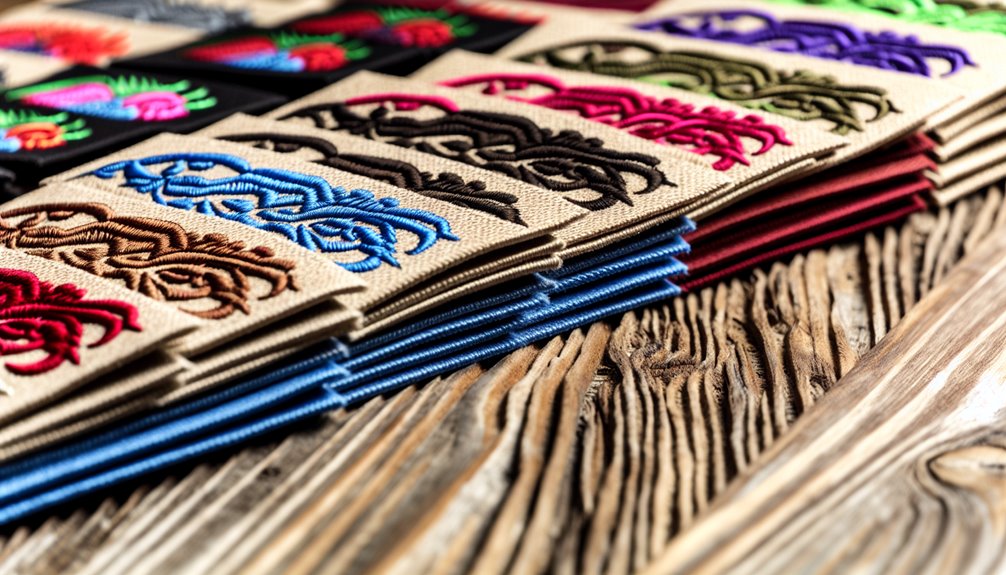
CUSTOM PATCHES
Why Cotton Twill Is the Most Popular Material for Custom Embroidery Patches
Cotton twill is the most popular material for custom embroidery patches primarily due to its robust durability, which comes from a diagonal weave that enhances strength and prevents wear and tear. This fabric also boasts an ideal texture for embroidery, offering a smooth surface that minimizes thread slippage and supports intricate stitch work, resulting in sharp, clear designs. Additionally, cotton twill’s ability to retain vibrant colors and withstand numerous washes without fading makes it exceptionally cost-effective and easy to maintain. Its versatile nature accommodates a wide range of artistic and functional applications, making it a practical choice for custom patches. Exploring these integrated qualities provides deeper insight into its widespread preference.
Durability and Longevity
Why is cotton twill the preferred fabric for custom embroidery patches? This fabric, known for its reliability, stands out primarily due to its durability and longevity, which are vital in the lifecycle of embroidered patches. Cotton twill is characterized by a diagonal weave or pattern that inherently enhances its strength, making it an ideal choice for enduring the rigors of frequent use.
One of the significant benefits of cotton twill is its exceptional color retention. This quality is essential because patches often serve as a means of identification or representation; they need to maintain their appearance over time. The robust fabric weight of cotton twill supports this, guaranteeing that the colors do not fade quickly even after multiple washes or exposure to environmental factors.
Moreover, the considerable fabric weight of cotton twill not only contributes to its overall longevity but also helps in maintaining the shape of the patch. Lesser quality fabrics can tear or wear thin, causing the patch to lose its form and effectiveness as a decorative or functional item. Cotton twill, with its superior durability, guarantees that patches remain both functional and aesthetically pleasing for a longer period, making it the go-to material for high-quality custom embroidery patches.
Ideal Texture for Embroidery
Beyond its durability and longevity, cotton twill’s texture makes it exceptionally suitable for custom embroidery. The fabric’s distinct diagonal weave not only enhances its aesthetic appeal but also provides a robust structure that supports intricate stitches. This structural integrity is essential for maintaining stitch quality, especially when dealing with complex designs and patterns.
Cotton twill’s moderate fabric weight contributes considerably to its embroidery-friendliness. A too light fabric can pucker and distort under the weight of the embroidery, while a fabric that is too heavy might resist the needle, leading to uneven stitches or damaged equipment. Cotton twill strikes the perfect balance, offering a smooth surface that allows the needle to pass through effortlessly, thereby guaranteeing uniform stitch quality across the design.
Moreover, the slightly raised surface of cotton twill due to its weave pattern helps in catching and holding threads securely. This characteristic minimizes slippage and misalignment of threads, which are common issues in smoother fabrics. As a result, the final embroidered patch exhibits a clean, crisp appearance that is visually appealing and durable. The careful consideration of cotton twill’s texture in relation to embroidery secures both functional and aesthetic success in custom patches.
Versatility in Design
Cotton twill’s inherent flexibility extends to its adaptability in various design applications, making it an ideal choice for custom embroidery patches. This material not only supports intricate needlework but also excels in showcasing vibrant color options and complex pattern adaptability. The tight weave of cotton twill provides a smooth surface that allows for precise embroidery, guaranteeing that even the most detailed designs maintain their clarity and sharpness. This attribute is particularly beneficial when replicating logos or emblems that require exact color matches and distinct outlines.
Moreover, the versatility of cotton twill allows designers to experiment with a wide range of aesthetics, from bold and graphic to subtle and intricate. This adaptability makes it suitable for various applications, whether for corporate branding, military insignias, or artistic expressions. The fabric’s ability to hold dyes well guarantees that colors remain bright and resistant to fading, which is vital for patches that are frequently exposed to sunlight and washing.
Through its combination of durability, color fidelity, and design flexibility, cotton twill stands out as the foremost material for custom embroidery patches, accommodating an extensive array of design preferences and functional demands.
Ease of Maintenance
Maintaining custom embroidery patches made from cotton twill is remarkably straightforward, enhancing their appeal for frequent use. This durability is largely due to the fabric’s notable color retention and breathability, which are vital for long-lasting wear and comfort. Cotton twill’s structure allows it to withstand numerous washes without losing its vibrant hues, guaranteeing that the patches continue to look new and professionally sharp over time. Additionally, the natural breathability of the fabric guarantees that it dries quickly and remains resistant to mildew and odors, an essential factor for items subjected to frequent laundering.
Care for these patches is uncomplicated. They can typically be machine washed in cold water with like colors and tumble dried on a low setting. It’s advisable to turn garments inside out before washing to protect the embroidery from abrasion. Avoid using bleach or fabric softeners, as these can break down the fibers and affect both the color and integrity of the patch. Ironing should be done on a low heat setting and preferably on the reverse side to avoid direct contact with the embroidered area.
Cost-Effectiveness
The affordability of cotton twill makes it an excellent choice for custom embroidery patches, particularly for organizations looking to manage their budget effectively. Cotton twill is not only less expensive than many alternative materials but also offers significant savings when combined with effective pricing strategies and bulk purchasing. This makes it particularly attractive for large-scale projects or organizations that require regular updates to their branded materials.
Key points highlighting its cost-effectiveness include:
- Lower Base Cost: Cotton twill is generally cheaper per yard compared to materials like denim or silk.
- Bulk Purchase Discounts: Suppliers often provide discounts for large quantities, making bulk purchases economically viable.
- Durability: The long-lasting nature of cotton twill means less frequent replacements, saving money over time.
- Ease of Processing: Its compatibility with various embroidery machines reduces production errors and waste.
- Simplified Logistics: Being a widely available material, cotton twill is easier to source and manage, which can reduce shipping and handling costs.