Category Archives: CUSTOM PATCHES

Best quality embroidered badges, monograms, and customized iron-on patches for clothing and accessories.


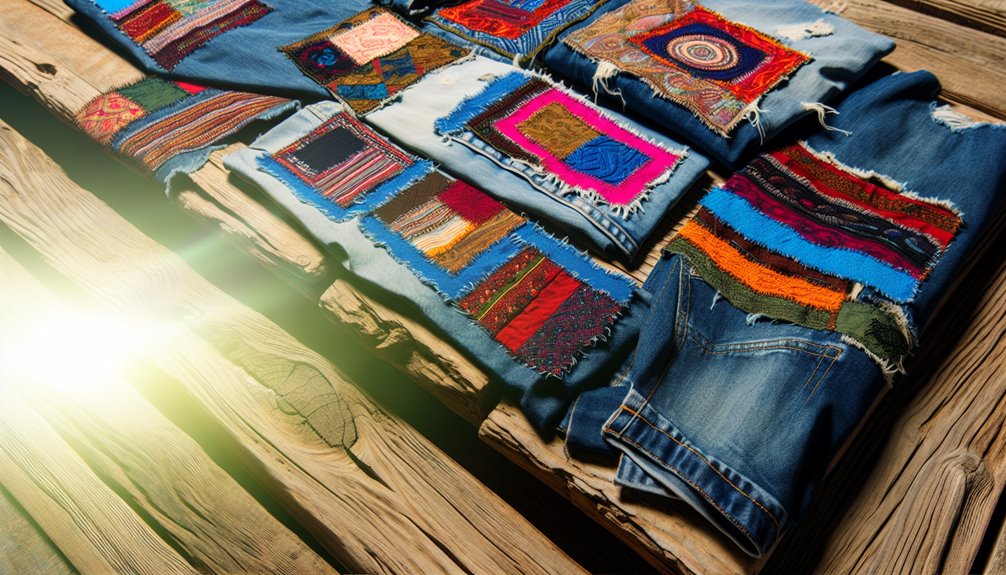
woven patches on clothing

5 Creative Placements of Woven Patches for Brand Clothing

Enhance your brand clothing by placing woven patches strategically. Collars and necklines benefit from embellishments, adding unique touches and focal points. Transform simple hemlines into sophisticated designs with contrasting fabrics or intricate patterns. Inner linings become canvases for creativity, surprising wearers with hidden messages or playful textures. Pockets can combine functionality and style, while cuffs and sleeves balance expressiveness with garment proportion. Exploring these placements elevates your brand's appeal, so don't stop here for more insights.

Collar and Neckline Accents

Woven patches can transform ordinary collar and neckline accents into standout features that enhance brand clothing. You can use collar embellishments to add a unique touch, making your clothing line memorable. By strategically placing patches, you highlight specific design elements, creating a focal point that draws attention.

Neckline variations also benefit from carefully chosen woven patches. They provide an opportunity to play with style, offering a fresh perspective on traditional designs.

Whether it's a simple crew neck or a more complex V-neck, patches can enhance the overall look by adding depth and texture. Don't underestimate the power of these small additions; they can greatly impact your brand's identity, ensuring your clothing stands out in a crowded market.

Hemline Highlights

As you explore the potential of woven patches in enhancing your brand clothing, don't overlook their impact on hemlines. Hemline embellishments can transform a simple garment into something extraordinary, adding visual interest and texture.

By utilizing fabric contrasts, you can create unique and eye-catching designs that draw attention to the lower part of your clothing. Consider these creative ideas:

  • Use contrasting colors to make the hemline pop.
  • Apply intricate patterns to add sophistication.
  • Incorporate textured materials for added depth.
  • Create asymmetrical designs for a modern twist.
  • Layer patches to build dimensional effects.

Each approach allows you to experiment with style while maintaining your brand's identity.

Inner Lining Surprises

Although often overlooked, the inner lining of your clothing can be a canvas for creativity and a vehicle for your brand's message. By incorporating woven patches with hidden messages or playful textures, you add an element of surprise that delights and engages wearers. These details can transform an ordinary piece into something special, encouraging a deeper connection with your brand. Imagine a jacket with a secret motivational quote or a soft texture that feels comforting.

Here's how you can make the most of inner lining surprises:

Element Purpose
Hidden Messages Inspire and engage wearers
Playful Textures Enhance tactile experience
Colorful Designs Brighten and personalize
Brand Logos Reinforce brand identity

These elements guarantee your clothing resonates beyond the surface.

Pocket Perfection

Pockets might seem like a small detail on clothing, but they hold the power to transform functionality and style. As you explore pocket perfection, pay close attention to pocket designs and the choice of patch materials. These elements can enhance both the utility and aesthetic of your brand clothing.

Consider these factors:

  • Placement: Confirm pockets are strategically located for ease of access and visual appeal.
  • Size: Choose dimensions that cater to the intended use, whether for carrying essentials or purely decorative.
  • Shape: Experiment with different shapes to create interest and unique silhouettes.
  • Material: Select durable yet stylish patch materials that complement the garment's fabric.
  • Contrast: Use contrasting colors or textures to make woven patches stand out.

Cuff and Sleeve Statements

While pocket designs greatly impact functionality and style, don't overlook the significant role cuffs and sleeves play in defining a garment's character.

Cuff embellishments and sleeve artistry offer unique opportunities for brand differentiation. When you incorporate woven patches into these areas, you're not just accessorizing; you're making a statement.

Think of cuffs as a canvas for subtle or bold expressions. Whether it's a small logo or intricate design, these embellishments can transform a simple sleeve into a masterpiece.

Similarly, sleeve artistry can elevate the entire look of a garment, turning ordinary clothing into a fashion statement.

Always pay attention to the balance between the patch size and the sleeve's proportion, ensuring the embellishments enhance rather than overwhelm the design.

benefits of custom patches

5 Reasons to Choose Custom Made Woven Patches

Custom made woven patches are a smart choice due to their unmatched durability, enduring harsh conditions while maintaining appearance. They allow for intricate, detailed designs, capturing complex logos and vibrant colors. Your brand's recognition and professionalism are enhanced when added to uniforms or merchandise. These patches symbolize identity and unity, fostering cultural connections. Cost-effective, they offer personalized solutions perfect for clubs, schools, or businesses. There's more to uncover about their transformative potential.

Unmatched Durability and Longevity

When it comes to custom made woven patches, their unmatched durability and longevity are vital features you need to understand. High-quality materials are the backbone of these patches, guaranteeing they withstand wear and tear.

You'll find that the production techniques employed in creating woven patches play a significant role in their resilience. Unlike other patch types, these are crafted with tightly woven threads, forming a robust structure that resists fraying and fading over time.

It's important to recognize how these methods contribute to a patch's lasting nature. The precision in weaving guarantees that every thread remains intact, even after numerous washes and extensive use.

Detailed and Intricate Design Options

Understanding the durability of custom made woven patches sets the stage for appreciating their potential for detailed and intricate design options.

With woven patches, you've got design versatility at your fingertips. The weaving process allows for a higher resolution, capturing fine details that embroidery might miss. This makes them perfect for conveying complex logos or artwork with precision.

You're not limited to simplistic designs; instead, you can explore creative applications, bringing your vision to life with stunning clarity. Whether it's a vibrant color palette or subtle gradients, woven patches handle it all with finesse.

These patches offer a way to express intricate designs without sacrificing durability, ensuring your design remains vivid and intact. Embrace the opportunity to showcase your creativity with woven patches.

Enhanced Brand Recognition and Professionalism

If you're looking to make a strong impression, custom made woven patches can greatly enhance your brand's recognition and professionalism. They serve as a powerful tool in your branding strategies, helping your brand stand out in a competitive market.

By incorporating these patches onto uniforms or promotional products, you instantly elevate your professional image. A well-crafted patch reflects your attention to detail, showcasing your commitment to quality. This, in turn, builds trust with your audience, as they associate your brand with reliability and excellence.

Don't underestimate the impact of consistent branding elements; they reinforce your message and guarantee that your brand remains memorable. By investing in custom woven patches, you're not just enhancing aesthetics—you're making a strategic move in establishing a credible, professional presence.

Unique Expression of Identity and Belonging

Custom made woven patches offer more than just aesthetic appeal; they provide a unique expression of identity and belonging. When you design a patch, it carries personal significance, telling a story that's uniquely yours.

These patches can symbolize your cultural representation, acting as emblems of heritage and community ties. Wearing a custom patch is like wearing your heart on your sleeve, literally and figuratively.

It's an opportunity to convey who you're and where you come from, promoting a sense of unity and pride among those who share similar backgrounds. Each patch becomes more than a piece of fabric; it's a badge of connection, a way to visually communicate your individuality while fostering a deeper understanding of your shared cultural roots.

Cost-Effective Customization Solution

While diving into the world of custom made woven patches, you'll find they aren't just a stylish choice but also a savvy financial decision.

These patches offer affordable branding options that can save your budget while providing a powerful impact. Instead of spending excessively on complex marketing strategies, woven patches allow you to create personalized solutions tailored to your needs.

They're perfect for clubs, schools, or businesses wanting to convey their identity without breaking the bank.

custom embroidered patriotic patches

Designing Patriotic Flag Patches With Custom Embroidery

Designing patriotic flag patches with custom embroidery melds artistic expression with national identity, requiring a thoughtful consideration of symbolism, fabric, and thread choices. Flags embody values, history, and aspirations; therefore, designers must select colors and symbols that convey the intended messages distinctly and respectfully. Utilizing durable and vibrant polyester or blended fabrics alongside high-quality polyester threads guarantees patches withstand the elements while maintaining their integrity. Advanced embroidery techniques like satin and outline stitches provide clarity and visual impact. Each design step, from meticulous machine calibration to the application of finishing touches, is essential for crafting a patch that honors national heritage. Further exploration reveals deeper insights into effective embroidery design.

Understanding Flag Symbolism

Flag symbolism serves as a powerful expression of a nation’s identity, values, and history. Delving into flag history reveals how design inspiration often draws from pivotal moments or emblematic features of a country, embedding deep cultural significance within simple patterns and colors. Each element in a flag’s design is steeped in symbolism meanings, from colors representing bravery and purity to symbols signifying unity and freedom.

These symbolic flags foster a strong patriotic theme, resonating emotional connections among citizens. Such flags are not only national symbols but also vehicles of artistic expression, encapsulating a collective memory and aspirations in a visually compelling manner. When these symbols are translated into flag patches, the artistic expression must be meticulously crafted to maintain the integrity and reverence of the original emblem.

Understanding the gravity of these symbols is essential, especially when they are adapted into new formats like embroidered patches. Misinterpretation or improper representation can lead to a significant cultural faux pas. As a result, in designing such items, one must honor the original flag’s essence, ensuring that each patch reflects the nation’s spirit accurately and respectfully. This approach not only pays homage to the flag’s legacy but also educates others about its profound significance.

Choosing the Right Fabrics

When selecting materials for patriotic flag patches, the choice of fabric plays a vital role in both the aesthetic outcome and the durability of the patch. Fabric types vary widely, each offering distinct advantages and challenges. Natural fibers like cotton provide comfort and breathability but may lack in color durability and outdoor resistance. Synthetic fibers, such as polyester, excel in these areas, offering vibrant colors that withstand exposure to elements and rigorous washing.

The texture importance cannot be overstated. A smoother fabric allows for intricate embroidery details to stand out, enhancing the visual appeal of the flag. Weight considerations are also significant; a heavier fabric might lend durability but could compromise the patch’s flexibility and comfort when adhered to clothing.

Fabric blends are often ideal, combining the strengths of natural and synthetic fibers. Such blends improve washability factors, maintain color fidelity, and provide moderate outdoor resistance without sacrificing the fabric’s feel. Stretch properties need attention too; a fabric with minimal stretch maintains shape and alignment of the design, which is essential for maintaining the integrity of a flag’s symbolism.

Choosing the right fabric is a balance of these factors, ensuring the patch performs well under various conditions while representing the flag with honor.

Selecting Quality Threads

While the choice of fabric is vital, the selection of quality threads is equally important for crafting durable and visually appealing patriotic flag patches. Thread quality can greatly impact both the longevity and the visual integrity of the embroidery. Thread durability guarantees that the patches can withstand various conditions such as washing, friction, and exposure to sunlight without fraying or losing their vibrancy.

To select the best thread for your flag patches, it is vital to take into account threads that have undergone rigorous colorfastness testing. This testing determines how well a thread maintains its color when exposed to elements like water and light, key factors for items that frequently endure outdoor conditions. Threads that score high in colorfastness testing will provide brighter, more enduring colors, important for maintaining the patch’s aesthetic and symbolic significance.

Moreover, the type of thread used, whether polyester, rayon, or cotton, each comes with distinct advantages. Polyester thread, for instance, is renowned for its strength and fade-resistant properties, making it an excellent choice for flag patches that require resilience against environmental factors. Selecting the right thread involves balancing these attributes to meet the specific needs of your patriotic patch project.

Embroidery Techniques Overview

As we explore the different embroidery techniques for creating patriotic flag patches, understanding the types of stitches is vital for achieving precise and durable designs. Selecting the appropriate thread colors not only enhances the visual appeal but also guarantees the patch accurately represents the flag’s true colors. Additionally, proper machine setup is essential to avoid common pitfalls that can compromise the quality of the embroidered patch.

Stitch Types Explained

Exploring the diversity of stitch types, we investigate the intricate world of embroidery techniques essential for creating patriotic flag patches. Each stitch plays a critical role in the design and durability of the patch, making the understanding of each type paramount. The satin stitch is widely used for its smooth, lustrous finish, ideal for filling broader areas with vibrant colors that stand out. In contrast, the outline stitch defines the sharp edges of flag elements, ensuring clarity and precision in the patch’s design.

The fill stitch covers large areas effectively, providing a solid color foundation, while the running stitch offers a basic, quick method for attaching elements with a dashed effect. For more complex designs, the zigzag stitch adds texture and depth, often used along the borders or for adding decorative details. Speaking of borders, the border stitch strengthens the edges of the patch, preventing fraying and wear over time.

Additionally, the applique technique involves layering pieces of fabric, allowing for multidimensional designs that are both aesthetically pleasing and robust. Decorative stitches, finally, add unique embellishments that celebrate patriotism in a visually striking manner, each stitch contributing to a lasting tribute.

Choosing Thread Colors

Selecting the appropriate thread colors for patriotic flag patches is an important aspect of embroidery that requires careful consideration to guarantee accuracy and vibrancy. The colors chosen not only represent a nation but also convey profound cultural significance and emotional resonance. Each hue in a flag’s design is laden with history and meaning; therefore, understanding color psychology is essential in embroidery to make sure that the colors resonate with their intended audience.

For instance, red often symbolizes courage and sacrifice, blue stands for justice and perseverance, and white represents purity and peace. When selecting embroidery threads, it is imperative to use shades that match these established meanings as closely as possible. Deviating from traditional colors can lead to misinterpretation or even offense, undermining the patch’s purpose.

Moreover, the vibrancy and type of thread play a significant role in how these colors are perceived under different lights. Using high-quality, fade-resistant threads can maintain the brightness and integrity of the patch over time, making certain that it continues to communicate its intended message effectively. Careful selection of thread colors not only enhances the visual appeal of the patch but also honors the flag’s cultural significance and the values it stands for.

Machine Setup Tips

Setting up your embroidery machine correctly is vital for achieving the best results in crafting patriotic flag patches. Key to this process is the proper adjustment of thread tension, which guarantees that stitches are neither too loose nor too tight, preserving the integrity of your design. Equally important is mastering hooping techniques to prevent fabric from puckering.

Needle selection should be tailored to your fabric choice; typically, a sharp, fine needle works best for detailed designs like flag patches. Fabric backing is also essential, as it supports the material during the embroidery process, preventing distortion. Machine calibration cannot be overlooked; this step involves aligning the machine’s components to ensure precise stitch placement, critical in the intricate elements of flag imagery.

Correct design placement optimizes the available space and enhances the aesthetic appeal of the patch. Embroidery speed should be adjusted according to the complexity of the design to avoid needle breakage and poor stitch quality. Regular thread trimming during the process can keep the work neat, while color blending must be managed carefully to achieve the vibrant but accurate hues of a flag. Finally, routine machine cleaning is mandatory to maintain its functionality and prolong its life.

Designing Your Flag Patch

Designing your flag patch requires careful consideration of both symbolic elements and aesthetic appeal to guarantee it accurately represents your patriotic intentions. Drawing upon creative inspiration is essential. Look at current design trends in flags and emblems to make your patch both modern and meaningful. Consider the history and values that your flag should embody, ensuring that each element from color to symbolism is thoughtfully chosen.

Here are key factors to keep in mind:

  • Color Choices: Select colors that reflect the national identity and are visually striking.
  • Symbol Placement: Arrange symbols in a way that balances the design and conveys the intended message.
  • Size and Shape: Determine the appropriate dimensions that will make the patch prominent without overwhelming the garment.
  • Material Selection: Choose durable materials that will withstand wear while maintaining the integrity of the colors and details.

Each decision impacts how the patch will be perceived, so it’s essential to fuse artistic elements with national pride. This careful planning will result in a flag patch that not only looks appealing but also resonates with patriotic significance, making it a proud emblem to wear.

Digitizing Artwork for Embroidery

Shifting from design to production, digitizing artwork for embroidery involves vital steps, starting with the selection of appropriate software. It’s important to choose software that can effectively handle the complexity of patriotic flag designs and accurately convert them into stitch-able files. Additionally, optimizing thread colors to match the original hues closely guarantees the embroidered patches maintain their symbolic integrity and visual appeal.

Wilcom and Pulse are two most used software that can let you have embroidery machine readable dst version files

Choosing Suitable Software

Selecting the right software is essential when digitizing artwork for embroidery, particularly for intricate designs like patriotic flag patches. When choosing software, it’s important to take into account various software options that can effectively handle the complexities of such designs. The user interface is another important aspect, as it should be intuitive enough to allow for precise control and adjustments without overwhelming the user.

To make an informed decision, bear in mind the following key features in embroidery digitizing software:

  • Wide Range of File Compatibility: Guarantees that the software can import and export various types of design files.
  • Advanced Editing Tools: Allows for detailed manipulation of designs, which is crucial for the accurate depiction of flag elements.
  • User-Friendly Interface: A clear and intuitive interface is essential to streamline the digitizing process, making it accessible even for beginners.
  • Robust Support and Tutorials: Adequate support and learning resources can greatly ease the learning curve associated with complex software.

Optimizing Thread Colors

When digitizing artwork for embroidery, such as patriotic flag patches, optimizing thread colors is a significant step to guarantee the final product faithfully replicates the original design’s vibrancy and detail. The selection of colors not only affects the aesthetic appeal but also the cultural resonance of the patch. Understanding color psychology is important as colors convey various emotions and messages. For instance, red may represent valor and hardiness, blue signifies vigilance, perseverance, and justice, and white can symbolize purity and innocence.

To achieve accuracy, it’s essential to select hues that match the intended emotional impact and cultural significance of the flag. This involves meticulous attention to the color shades used in the original flag to maintain historical accuracy and respect for national symbols. Using the wrong shade can inadvertently alter the perceived meaning of the patch.

Embroidery software can assist in this process by providing a palette of threads that closely match the digital artwork. However, it’s important to manually check these colors under different lighting conditions to see how they interact and verify they provide the correct visual impact. This step is crucial for producing a patch that is not only visually pleasing but also culturally respectful and emotionally compelling.

Machine Setup and Preparation

To guarantee the production of high-quality patriotic flag patches, proper machine setup and preparation are vital. Before commencing the embroidery process, it is essential to ascertain that all equipment is precisely calibrated and ready. This involves a series of steps designed to maximize the functionality and output of the embroidery machines, thereby preventing potential errors during the creation of patches.

  • Machine Calibration: Regular calibration maintains accuracy in stitch placement and pattern integrity.
  • Needle Selection: Choose needles that are compatible with the fabric type to avoid damage and maintain clean embroidery.
  • Stabilizer Types: Select the appropriate stabilizer to support the fabric during the embroidery, preventing unwanted puckering.
  • Thread Tension and Embroidery Speed: Adjust thread tension and control embroidery speed to match fabric and design specifications for best results.

Additional preparatory steps include thorough machine cleaning to remove any residues that could interfere with thread movement. Hooping techniques must be mastered to hold the fabric securely without stretching it. Also, consider fabric pre-treatment to enhance the adherence and appearance of the embroidery. These preparations, diligently executed, lay the groundwork for flawless patriotic flag patches.

Embroidery Process Steps

As we progress to the embroidery process steps for crafting patriotic flag patches, selecting the appropriate thread colors is critical, not only for aesthetic fidelity but also for guaranteeing the durability of the colors under various conditions. An overview of stitching techniques is essential, as it influences the patch’s final appearance and its structural integrity. Finally, finalizing design details demands meticulous attention to guarantee that each element of the flag is represented accurately and respectfully.

Choosing Thread Colors

Selecting the appropriate thread colors is a critical step in the embroidery process of creating patriotic flag patches. The colors not only represent the visual identity of a nation but also convey deeper symbolic meanings, making the understanding of color psychology essential. Furthermore, the durability of the thread guarantees that the colors remain vibrant and resistant to environmental factors over time, preserving the patch’s integrity and appearance.

When choosing thread colors, consider the following:

  • Symbolic Significance: Each color in a flag has historical and psychological implications that should be respected to maintain authenticity.
  • Color Fastness: Opt for high-quality threads that offer resistance to fading from sunlight and washing, guaranteeing long-lasting vibrancy.
  • Material Compatibility: The thread material should be compatible with the fabric to prevent damage and enhance the overall quality of the embroidery.
  • Visibility and Contrast: Confirm that the chosen colors stand out against the background for clear visibility and impact.

Stitching Techniques Overview

Having established the significance of choosing the right thread colors, it is equally important to focus on the techniques used in the stitching process of patriotic flag patches. Mastery of stitching patterns and the application of decorative accents are central to the embroidery artistry involved in creating vivid and compelling designs. Thread tension must be finely adjusted to guarantee that the embroidery does not pucker or distort, maintaining a smooth surface across the fabric layering.

Finalizing Design Details

Attention to detail is paramount in the final stages of designing patriotic flag patches. As we narrow down to the specifics of the embroidery process, several vital steps must be meticulously managed to guarantee a product that not only meets but exceeds expectations. These steps include design approval and rigorous adjustments that cater to aesthetic and symbolic accuracy.

  • Design Approval: Secure confirmation on the final design, ensuring all elements reflect the intended symbolism and aesthetics.
  • Color Adjustments: Fine-tune the hues to match precisely with national colors, enhancing visual impact and fidelity.
  • Size Specifications: Verify dimensions to maintain proportionality and visibility, essential for guaranteeing the patches serve their intended purpose effectively.
  • Fabric Placement and Patch Borders: Select appropriate fabrics that offer durability and vibrancy, and define clear, robust borders to frame the design elegantly.

Incorporating these elements requires a keen eye for detail and a deep understanding of the significance behind each design choice. From the placement of a logo integrating seamlessly into the overall design to variations in style that might reflect different inspirations, every decision is vital. The journey from a concept inspired by patriotic fervor to a tangible emblem of national pride is intricate, demanding precision at every step.

Finishing Touches on Patches

While the design and creation stages are critical, the finishing touches on patriotic flag patches are what truly encapsulate their quality and durability. Paying close attention to border options enhances not just the aesthetic appeal but also the structural integrity of the patches. Various border types, such as merrowed or stitched, can be chosen based on the desired look and the level of ruggedness required.

Implementing the right patch backing and attachment methods is equally essential. Options range from iron-on for convenience to Velcro for versatility, depending on how the patch is intended to be used. Size specifications must adhere strictly to the intended uniform or merchandise to guarantee proper fit and visibility.

Quality checks are indispensable, focusing extensively on design variations to guarantee each patch accurately represents the intended symbolism. Color contrast is carefully adjusted for visual clarity and impact, particularly important for the display of national symbols. Patch placement, branding elements, and other finishing techniques like embroidery density and thread quality must all align to reflect the patch’s significance and ensure its longevity in both appearance and function.

Maintenance and Care Tips

Proper maintenance and care are essential for preserving the integrity and appearance of patriotic flag patches over time. Ensuring their longevity involves more than just occasional attention; here are few tips work considering.

  • Cleaning Methods: Regularly clean your patches using mild detergent and cold water to prevent color fading and maintain fabric durability. Avoid harsh chemicals which can damage the embroidery.
  • Storage Solutions: Store patches in a cool, dry place away from direct sunlight. Consider using acid-free paper to wrap the patches, which helps in preventing color fading and fabric degradation over time.
  • Repair Techniques: Address any loose threads or minor tears immediately to avoid further damage. Use similar thread and careful stitching to maintain the original look of the patch.
  • Prevent Color Fading: Limit exposure to harsh conditions, such as prolonged sunlight and moisture, which can lead to premature fading and wear.
custom patch design trends

Current Trends in Custom Patch Designs

In the dynamic world of fashion, current trends in custom patch designs reflect a fusion of innovation and sustainability. Digital printing advancements allow for intricate, seamless gradients and detailed imagery, while 3D embroidery offers a tactile depth to patch aesthetics. The increasing use of eco-friendly materials denotes a shift towards environmental responsibility, appealing to a growing demographic concerned with sustainable practices. As these trends continue to evolve, they illustrate the ever-changing landscape of custom fashion, promising further advancements that could transform our understanding of personal and commercial styling.

Revival of Vintage Styles

Embracing the past, the revival of vintage styles in custom patch designs marks a significant trend within the fashion industry. Designers are increasingly drawing inspiration from nostalgic aesthetics, integrating retro colorways and motifs into contemporary apparel. This resurgence is not merely about recreating past designs but reinterpreting them with a modern twist, making old trends accessible to the new generation.

The appeal of vintage-style patches lies in their ability to evoke a sense of nostalgia while offering a unique, personalized touch to any garment. These designs often feature classic elements such as bold, vibrant retro colorways or motifs that harken back to earlier decades. The result is a visually compelling contrast that blends history with modernity, appealing to both older consumers who appreciate the reminiscence and younger audiences attracted to the novelty of past eras.

Moreover, this trend serves as a bridge connecting different generations through fashion. By wearing garments adorned with vintage-style patches, individuals can express a fondness for the past while participating in current fashion trends. This blend of old and new enriches the cultural fabric of our society, making fashion a dynamic and ever-evolving form of expression.

Eco-Friendly Materials

The fashion industry’s commitment to sustainability is increasingly evident in the use of eco-friendly materials for custom patch designs. As designers seek to reduce environmental impact, the shift towards recycled fabrics and organic materials is transforming the production of embellishments. Sustainable sourcing now prioritizes materials that are not only reusable but also biodegradable, aiming for minimal waste throughout the manufacturing process.

Eco-conscious branding is another significant trend, with companies increasingly promoting their use of upcycled textiles to appeal to environmentally aware consumers. This strategy not only enhances brand image but also encourages a broader movement towards sustainability in fashion. By integrating biodegradable options into their product lines, brands take essential steps towards decreasing the long-term waste associated with fashion accessories.

Moreover, the use of upcycled textiles not only conserves resources but also offers a unique aesthetic that can’t be replicated with new materials. This approach not only addresses the environmental impact but also adds value to the final product, making each patch a statement of both style and sustainability. As the industry progresses, these practices are setting new standards, urging a rethinking of production techniques to embrace eco-friendliness thoroughly.

Digital Printing Innovations

Advancements in digital printing technology are revolutionizing the way custom patches are designed and produced. The introduction of sublimation printing has particularly transformed the industry, enabling the creation of patches with complex color gradients and intricate designs that were previously difficult or impossible to achieve. This method guarantees that the dye is permanently bonded with the fabric, resulting in vibrant colors that do not fade over time.

Sublimation printing allows for a seamless shift between colors, making it ideal for designs that require detailed imagery or a natural, realistic appearance. The ability to replicate such color gradients enhances the aesthetic appeal of patches, making them more attractive for fashion, corporate branding, and commemorative events. Additionally, this technique supports designers’ creativity by allowing for the execution of precise, sharp details without the limitations imposed by older printing methods.

However, while digital printing offers numerous advantages, it also requires careful consideration of fabric compatibility and ink quality to prevent issues like bleeding or dullness in colors. Confirming that the digital design is meticulously optimized for printing is essential to achieving the best results. As this technology evolves, it continues to push the boundaries of what can be accomplished in custom patch design.

3D Embroidery Techniques

As we explore the domain of 3D embroidery techniques, it’s important to understand the basics of puff embroidery, which adds a unique, tactile dimension to custom patches. Selecting the right materials and threads is vital for achieving the best results and durability in your designs. Each choice impacts the final product’s aesthetic appeal and functional longevity, making these decisions essential to the success of custom embroidered patches.

Puff Embroidery Basics

Delving into puff embroidery, a technique that breathes life into fabric by creating a 3D effect, requires an understanding of its key components and methods. Puff embroidery, primarily used to enhance the visual and tactile appeal of designs, stands out in the domain of textile art for its distinctive raised appearance. This technique is especially popular in custom patch designs, where bold, eye-catching elements are essential.

Here are key aspects to reflect on in puff embroidery:

  1. Design Preparation: Puff embroidery demands precise design planning to guarantee that the raised areas are correctly aligned and supported by the fabric.
  2. Stabilization: Using the appropriate stabilizer beneath the fabric is critical to prevent shifting and puckering, making sure the puff maintains its intended shape.
  3. Thread Density: Higher thread density is required to fully cover the underlying foam, which gives the design its elevated look.
  4. Finishing Techniques: After embroidery, careful trimming and clean-up around the edges of the puff are necessary to enhance the overall appearance and durability of the design.

Understanding these techniques allows for innovative puff design applications, pushing the boundaries of traditional embroidery into striking three-dimensional artistry.

Material and Thread Choices

Building on the foundational knowledge of puff embroidery, it is equally important to evaluate the selection of materials and threads to achieve ideal results in 3D embroidery techniques. Selecting the right fabric and thread types is essential for both aesthetic appeal and longevity of the embroidery. Materials such as polyester twill are favored for their durability and resistance to shrinking and fading, making them ideal for heavily detailed and high-density stitching found in 3D designs.

In terms of thread, choices often include polyester or rayon. Polyester threads are renowned for their colorfastness and high tensile strength, which are vital for maintaining the structural integrity of 3D embroidery. Rayon, although slightly less durable, offers a brilliant sheen that enhances the visual depth of the embroidery. It’s important to take into account thread durability especially in applications where the embroidered items will undergo frequent washing or exposure to harsh conditions.

Moreover, sustainable sourcing of these materials is becoming increasingly important. As consumers become more environmentally conscious, opting for threads and fabrics that are produced through eco-friendly processes can not only enhance the appeal of the final product but also contribute greatly to environmental conservation. Prioritizing these factors in material and thread selection can profoundly impact the quality and sustainability of custom patch designs.

Custom Shapes and Sizes

The personalization of custom patches extends further into their shapes and sizes. This flexibility in design not only caters to aesthetic preferences but also enhances the way messages and identities are visually communicated. The ability to tailor patches to specific dimensions and outlines enables creators to embed unique patterns and personalized messages effectively.

The market today offers a myriad of options, allowing for the creation of distinctive patches that stand out. Whether for corporate branding, personal expression, or commemorative purposes, the shape and size of a patch can greatly impact its reception and functionality. Here’s an overview of the common customizations available:

Shape Size Ideal Usage
Circular 2″ – 5″ Corporate logos
Square 1″ – 6″ Organizational symbols
Custom Cut Variable Personalized messages

These options not only provide a canvas for creativity but also guarantee that each patch can serve its intended purpose without compromise. By choosing the right dimensions and contours, designers and consumers alike can project their intended narratives more robustly and memorably.

Collaborative Design Movements

The evolution of patch design has progressively embraced collaborative design movements, where artists, designers, and consumers merge their ideas to create unique and meaningful products. This approach not only enhances the creative process but also strengthens community engagement and fosters artistic partnerships. As the custom patch industry evolves, understanding these movements is essential for anyone involved in or interested in design.

Here are four key aspects of collaborative design movements in custom patches:

  1. Community Workshops: These gatherings allow community members to directly contribute to the design process, ensuring that the final product reflects shared values and cultural narratives.
  2. Artist Co-ops: By forming cooperatives, artists pool their resources and talents, leading to innovative designs that might not be possible in solitary environments.
  3. Online Platforms for Collaboration: Digital tools and social media have revolutionized the way collaborators communicate and refine their designs, broadening the scope of participation globally.
  4. Educational Programs: Initiatives that teach design and embroidery techniques not only empower individuals but also encourage the integration of diverse artistic perspectives into patch creations.

Understanding these points can greatly enrich one’s appreciation and approach to patch design in today’s interconnected world.

How to Create Custom Country Flag Patches

To create custom country flag patches, start with designing in vector graphics software like Adobe Illustrator for clear, scalable images, ensuring compatibility with embroidery machines for flawless production. Select durable, colorfast materials such as polyester to maintain the vibrancy and integrity of the flag’s colors. Utilize high-quality embroidery tools and techniques, including the appropriate threads, stabilizers, and a satin stitch for edge sealing to prevent fraying. Careful consideration of the flag’s historical and cultural symbolism is essential to prevent misrepresentation. Maintaining the patches involves gentle washing and proper storage to preserve their appearance and significance. Further exploration will reveal additional nuances in custom patch creation.

Choose Your Design Software

Selecting the right design software is an essential first step in creating custom country flag patches. The ideal software should support vector graphics, which are important for scaling designs without losing clarity. Vector-based programs allow precise edits and adjustments, which is necessary when dealing with complex elements of flag designs such as emblems and intricate patterns.

When choosing software, look for features that enable the creation of digital mockups. These mockups are a preliminary visualization of the final product, offering a digital proof to review and adjust before the actual production begins. This step is fundamental as it provides an opportunity to refine colors, shapes, and the overall layout to guarantee the flag’s symbols are accurately represented and visually impactful.

Gather Necessary Tools

Before you begin crafting your custom country flag patches, it is essential to assemble all the necessary tools to guarantee a smooth and efficient creation process. First, select fabrics that are both durable and suitable for embroidery, as the quality of the fabric directly impacts the final appearance and longevity of your patch. Additionally, gather the appropriate embroidery supplies and software that will aid in designing and executing your patch with precision.

Select Suitable Fabrics

Choosing the right fabric is an important step in creating high-quality custom country flag patches. The choice of material not only impacts the appearance but also the durability and functionality of the patches. When selecting fabric, consider both the fabric types and the available color options to guarantee accurate representation of the country flag.

Here is a comparative table of common fabric types used in flag patches:

Fabric Type Characteristics
Polyester Durable, colorfast, resists wrinkling
Nylon Lightweight, highly durable, quick-drying
Cotton Soft, breathable, but less colorfast
Canvas Heavy-duty, robust, suitable for outdoor use
Felt Thick, textured surface, vibrant color hold

Polyester and nylon are top choices for their longevity and vibrant color retention, vital for flags that symbolize national pride and heritage. Cotton, while softer and more comfortable against the skin, may fade faster and is less resistant to harsh elements. Canvas offers unmatched durability, making it ideal for more rugged applications. Felt, with its dense texture, guarantees that colors stay bright and distinct, which is important for maintaining the integrity of flag colors. Selecting the appropriate fabric guarantees that the flag patches will honor their national significance with appropriate visual and tactile quality.

Choose Embroidery Supplies

Having selected the appropriate fabric, the next vital step in crafting custom country flag patches is choosing the right embroidery supplies. The foundation of any vibrant and durable embroidery is high-quality embroidery thread. Opt for threads that offer excellent tensile strength and colorfastness to guarantee that your patches can withstand wear and tear without losing their vivid colors. Polyester or rayon threads are often preferred for their durability and sheen.

Equally important is selecting the right patch backing, which provides the patch with necessary support and structure. This backing also assures that the embroidery remains stable and lays flat against the fabric. There are several types of backings available, including adhesive, heat-seal, and sew-on options. Each type serves a different purpose and application technique, so consider the final use of the patch when making your choice.

Furthermore, confirm that your embroidery hoop, needles, and stabilizers are compatible with the fabric and thread you have selected. These tools aid in maintaining tension and alignment during the embroidery process, which is essential for achieving professional-looking results. Remember, the quality of these tools can greatly affect the outcome of your embroidery project, so choose wisely to avoid any pitfalls.

Utilize Appropriate EMB Software

Why is the choice of software vital in creating custom country flag patches? Selecting the right software is fundamental as it affects the design’s precision and the ease of transferring your vision into an embroidery machine-readable format. Software specializing in vector graphics is ideal because it allows for scalable designs that maintain clarity at any size, which is vital for detailed flag emblems.

Vector graphics software enables users to apply principles of color theory effectively, ensuring that the colors in the flag are vibrant and accurate. This is particularly important as colors hold significant meaning in national flags and must be represented with precision.

Below is a table highlighting common software options and their features:

Software Key Features
Adobe Illustrator Advanced vector tools, color management
CorelDRAW Intuitive interface, extensive clipart library
Inkscape Free, open-source, good for beginners

Choosing the right software not only impacts the aesthetic quality of the flag patches but also influences the stitching outcome on different materials. It’s important to take into account software that integrates easily with embroidery machines, thereby ensuring that your designs are not only beautiful but also practical for production.

Design Your Flag Layout

Often, the visual impact of your custom country flag patch hinges on the effectiveness of its layout. Designing a flag requires a thoughtful approach where flag symbolism and color meanings are pivotal. Each color and symbol on a flag carries a wealth of historical and cultural significance that should be carefully considered to maintain respect and accuracy.

For example, red often represents valor or revolution, while blue might signify justice or perseverance. Integrating these colors in a manner that respects their meanings enhances the authenticity and reverence of the flag patch. Similarly, symbols like stars, crosses, or crescents need to be positioned with intentionality, ensuring they reflect the true spirit of the nation.

When arranging these elements, balance and proportion are key. A cluttered or disproportionate layout can distort the message the flag intends to convey. Aim for a design that is symmetrical or harmoniously asymmetrical to achieve visual appeal and symbolic fidelity. Remember, the flag is not just an ornament but a representation of a nation’s identity and values. As a result, every element must be placed with precision and purpose, creating a design that resonates with both the heart and the eye.

Transfer Design to Fabric

Once your flag design is finalized, the next essential step involves transferring this design onto fabric. This stage is vital as the choice of fabric can influence the durability and appearance of your custom patch. Selecting the right fabric type is key; commonly used fabrics include twill, felt, or polyester blends, each offering unique benefits. Twill is durable and holds embroidery well, making it ideal for patches that will be subjected to wear and tear.

To transfer your design, you can use various methods depending on the resources available and the complexity of your design inspirations. A popular technique is to use transfer paper specially made for fabric applications. First, print your design onto the transfer paper using a standard inkjet or laser printer. Then, place the paper design-side down onto the fabric and apply heat with an iron, pressing firmly and evenly. The heat transforms the ink into a gas that embeds into the fabric, creating a permanent, detailed image on your chosen material.

Ensure the fabric is prepped correctly before transferring the design; it should be clean, ironed, and free of any wrinkles or moisture to avoid any imperfections in the final product.

Embroidery Techniques

Many embroidery techniques can be applied to guarantee your custom country flag patches are both visually appealing and durable. By understanding the specifics of these techniques, you can make certain that the patches you create or order will stand the test of time and wear, while accurately representing the flag’s design.

  1. Satin Stitch: This is one of the primary stitch types used for flag patches. It involves tightly sewn threads that provide a smooth, lustrous surface, ideal for covering larger areas of solid color. This technique enhances durability and visual impact.
  2. Color Blending: Effective color blending is essential in achieving the exact shades and gradients present in many national flags. By carefully selecting thread colors and employing techniques like blending stitches, one can replicate complex color changes and subtle nuances, guaranteeing the flag’s authenticity and vibrancy.
  3. Layered Embroidery: Adding layers of embroidery can increase the dimensional effect of the patch, making it stand out. This technique involves embroidering a base layer and then adding additional layers of stitches to create depth and emphasis, particularly useful for intricate emblems or coat of arms within the flag.

Apply Finishing Touches

As we approach the final steps in creating custom country flag patches, it is critical to focus on sealing the edges properly to guarantee durability and prevent fraying. Next, conducting a thorough quality inspection is essential to maintain high standards and identify any potential issues before distribution. These finishing touches not only enhance the appearance but also greatly extend the life and quality of the patches.

Seal Edges Properly

To guarantee the longevity and aesthetic integrity of custom country flag patches, proper edge sealing is vital. This finishing process not only enhances the durability of the patches but also guarantees they maintain their shape and do not fray with use. Here are three vital steps in sealing the edges of your country flag patches:

  1. Choose the Right Edge Treatment: Select an edge treatment that complements the fabric and design of the patch. Options include satin stitch, overlock, or adhesive backing. Each method provides a distinct level of protection and aesthetic finish.
  2. Apply Sewing Techniques: Use precise sewing techniques to attach the selected edge treatment. For satin stitch or overlock, verify that the stitching is even and closely follows the edge of the design to secure the fabric edges completely. This reduces the risk of unraveling and extends the life of the patch.
  3. Inspect and Trim: After sewing, carefully inspect the edges for any loose threads or unevenness. Trim excess threads and verify the edge treatment is uniformly applied around the entire patch to achieve a professional and neat appearance. This step is vital for maintaining the quality of the finish.

Quality Inspection Tips

Conducting a thorough quality inspection is essential for guaranteeing that each custom country flag patch meets the highest standards of craftsmanship and design. After completing the creation of a patch, the next significant step is the quality assurance process. Start by using an inspection checklist tailored specifically for flag patches. This checklist should include items such as thread consistency, color accuracy, and boundary definition.

Verify that the colors match those of the original flag, paying close attention to hue and saturation to avoid any discrepancies that could affect the patch’s authenticity. Examine the stitching to confirm it is secure and uniform, with no loose threads or uneven lines that could indicate a rushed job or poor workmanship. Edges should be sealed properly, as discussed in the previous section, to prevent fraying which can detract from the overall appearance and durability of the patch.

Everything You Must Know About Puffy 3D Embroidery Patches

Puffy 3D embroidery patches provide a striking, tactile element that elevates the appearance and identity of clothing and accessories. These patches utilize dense foam or specialized threads beneath the surface to create a prominent, three-dimensional look. They are often applied to garments, hats, and bags, enhancing visual appeal and brand recognition. When creating these patches, it’s essential to select high-quality materials like durable fabrics, robust threads, and effective adhesives to guarantee longevity and aesthetics. Furthermore, precise embroidery techniques must be employed to maintain the design’s integrity and vibrancy. Each step, from the initial design to the final application, demands careful consideration and expertise; consequently, familiarizing oneself with these details can greatly enhance outcomes.

What Are Puffy 3D Embroidery Patches?

Puffy 3D embroidery patches are a distinctive type of decorative badge that features raised designs, giving them a three-dimensional appearance. These patches are not only visually striking but also tactile, with puffy textures that make them stand out when applied to clothing, bags, or other fabric-based items. The allure of these patches lies in their ability to enhance the visual depth and intrigue of any garment or accessory.

One of the key aspects of puffy 3D embroidery patches is patch customization. This allows individuals or organizations to create unique, personalized designs that reflect their identity, interests, or branding. The customization process involves selecting specific elements such as colors, shapes, and the puffy material itself, which is essential for achieving the desired 3D effect. By carefully crafting these elements, a patch can convey a specific message or style, making it an effective tool for personal expression or promotional purposes.

It’s important to note that while these patches offer extensive creative freedom, they require thoughtful consideration in design and application to guarantee durability and proper visual impact. The choices made during the customization process directly influence the final product’s aesthetic and functional quality.

Materials Needed for Puffy Patches

To create puffy 3D embroidery patches, a specific set of materials is necessary. To begin with, one of the most important components is the foam used to give the patch its distinctive raised appearance. Various foam types are suitable for this purpose, including polyurethane and EVA foam, which vary in density and thickness. Typically, foam thickness ranges from 2mm to 6mm, depending on the desired puffiness of the final product.

Additionally, embroidery threads play a significant role. These threads need to be strong enough to penetrate the foam without tearing it, while also being capable of forming tight, detailed stitches that will hold the design intact over time. The choice of fabric for the patch backing is equally important. Durable materials such as twill or felt are commonly used for their ability to support the dense stitching and the weight of the foam.

Equally important is the selection of a strong adhesive or heat-seal backing that guarantees the patch can be securely attached to the desired garment or accessory. This backing must be compatible with both the fabric and the foam to prevent detachment or damage during wear or washing. Choosing the right combination of these materials is essential for crafting a high-quality puffy patch that is both aesthetically pleasing and durable.

Designing Your Puffy Patch

Once the necessary materials are assembled, the next step in creating a puffy 3D embroidery patch is the design process. It’s vital to approach this phase with a clear vision and attention to detail. Begin by deciding on the overall shape of your patch. Shape variation is not merely an aesthetic choice; it also impacts how the patch will fit and look on different types of clothing or accessories. A well-chosen shape makes a significant difference in the patch’s final appeal and functionality.

Equally important is color selection. Colors must not only complement each other but also contrast well to enhance the 3D effect of the puffy embroidery. Consider the message or emotion the colors convey, as this can drastically affect the viewer’s perception of the patch. For instance, vibrant colors might indicate energy and youthfulness, while softer tones could suggest sophistication and calmness.

When designing, it’s imperative to create a balance between creativity and practicality. The design should be bold enough to stand out, yet simple enough to be recognizable from a distance. Detailed sketches and color palettes can help visualize the final product, ensuring that the design is both practical and aesthetically pleasing.

Step-by-Step Creation Process

Creating puffy 3D embroidery patches begins with the careful selection of materials that will complement the final design and endure the embroidery process. Next, meticulous planning of the embroidery design is necessary, taking into account the dimensions and intricacies of the artwork to guarantee precision in the stitching. Finally, applying foam padding correctly is vital as it forms the foundation of the patch’s 3D effect, requiring precise placement and attachment to achieve the desired puffiness.

Selecting Suitable Materials

Firstly, the base fabric must be sturdy enough to support the puffy effect without warping or sagging. Common materials include twill, felt, and polyester blends, known for their robustness and smooth texture, which are ideal for maintaining the shape and vibrancy of the embroidery. The compatibility of the fabric with the adhesive backing and embroidery thread is also fundamental to prevent issues like fraying or color bleeding, which can greatly detract from the patch’s appearance and longevity.

Additionally, the selection of a suitable foam is important. This foam acts as the foundation of the puffy effect, and its thickness and density should be chosen based on the desired level of 3D puff. It must integrate seamlessly with the chosen fabric and withstand the embroidery process without collapsing or shifting.

Embroidery Design Planning

After selecting the appropriate materials, the next vital phase in crafting puffy 3D embroidery patches is the design planning. This step involves careful reflection of the visual and structural aspects of the patches to guarantee they fulfill both aesthetic and functional requirements.

Firstly, design considerations must take into account the dimensions and complexity of the embroidery. Detailed designs with fine lines may not puff as well as simpler, bolder designs. It’s important to adapt the design to accommodate the three-dimensional nature of puffy patches, which means prioritizing bolder lines and larger, less intricate details.

3-4 inches size logos are recommended for puffy patches

Color selection plays a significant role in the design phase. Choosing contrasting colors can help details pop and make the embroidery stand out. However, it’s vital to take into account how colors interact not just with each other but with the base material and thread types used. Some colors may appear different when stitched and puffed, so testing color combinations on a small scale before finalizing the design can prevent potential mismatches and guarantee the finished product meets expectations.

Applying Foam Padding

Shifting from design to execution, applying foam padding is the vital next step in creating puffy 3D embroidery patches. The selection of foam thickness plays a pivotal role in the final appearance and quality of the patch. Typically, foam ranging from 2mm to 4mm is used, depending on the desired level of puffiness. Thicker foam can provide a more pronounced 3D effect but may also introduce challenges in the embroidery process.

Begin by cutting the foam slightly larger than the embroidery design to guarantee complete coverage. Carefully position the foam over the base fabric, aligning it with the predetermined embroidery area. To secure the foam, use specific padding adhesives designed for embroidery applications. These adhesives help maintain the foam’s position during the stitching process, preventing it from shifting and causing distortion in the design.

As you stitch, the needle penetrates through the foam, effectively compressing it under the thread. It’s essential to use a suitable stitch density to achieve clean edges and sufficient foam coverage, avoiding gaps that can diminish the visual impact of the patch. Once completed, any excess foam is trimmed away, revealing the raised, textured effect characteristic of high-quality puffy 3D embroidery patches.

Applying Puffy Patches to Fabric

Applying puffy patches to fabric requires a careful approach to ascertain both aesthetic appeal and durability. Vital to this process is understanding application techniques and guaranteeing fabric compatibility. The method chosen for applying these patches can greatly influence how well they adhere and maintain their quality over time.

Firstly, it’s important to select the right fabric. Not all materials are suitable for puffy patches; porous fabrics like cotton and denim provide the best results. These materials allow the adhesive to bond more effectively, reducing the risk of peeling or detachment. Before application, the fabric should be clean and free of any oils or residues to secure ideal adhesion.

The application itself can be done using an iron or a heat press. When using an iron, set it to the cotton setting without steam. Place the patch on the desired area and cover it with a thin cloth to protect the embroidery. Press the iron firmly on the cloth for about 15-20 seconds, being careful not to move it around as this can distort the patch. Allow the patch to cool completely before testing its adherence. By following these steps, you can achieve a secure and visually appealing application of your puffy patch.

Best Practices for Durability

To guarantee the longevity of puffy 3D embroidery patches, selecting high-quality materials is essential. Using appropriate embroidery techniques not only enhances the aesthetic appeal but also greatly increases the durability of these patches. These steps are fundamental in maintaining the vibrant and tactile qualities of the patches over time.

Creative Uses and Applications

Exploring the creative uses and applications of puffy 3D embroidery patches opens up a world of possibilities for designers and craft enthusiasts alike. These versatile and visually striking patches can transform ordinary items into unique, personalized masterpieces. The texture and dimension of puffy patches make them ideal for creative customization, allowing for a distinctive style that stands out.

Key puffy patch applications include:

  • Fashion Accessories: Elevate the look of hats, bags, and shoes with vibrant, tactile patches that add personality and flair.
  • Home Decor: Customize throw pillows, blankets, or curtains to inject a cozy, bespoke element into home interiors.
  • Event Souvenirs: Create memorable keepsakes for weddings, reunions, or corporate events with patches that commemorate the occasion.
  • Personalized Gifts: Offer a touch of thoughtfulness with custom-decorated items like jackets or backpacks featuring unique patches.
  • Branding: Enhance brand visibility and team unity by incorporating logoed patches on employee uniforms or promotional merchandise.

These applications not only showcase the functional versatility of puffy 3D embroidery patches but also highlight how they can be used to express creativity and individuality in everyday objects.

Troubleshooting Common Issues

While puffy 3D embroidery patches offer a range of creative applications, users may occasionally encounter specific challenges that can affect the quality and appearance of the final product. To address these common problems effectively, here are some useful troubleshooting tips.

Firstly, uneven or insufficient foam expansion is a frequent issue. This can be rectified by adjusting the heat setting on your embroidery machine. Higher temperatures can help guarantee that the foam expands adequately, giving the patch its desired 3D effect. Another common problem is thread tension. Incorrect tension can cause the thread to pull too tightly or loosely around the foam, resulting in distorted shapes. Make sure to check and adjust your machine’s thread tension regularly to maintain ideal results.

Additionally, alignment difficulties might occur, where the stitches do not properly align over the foam. This can generally be corrected by recalibrating your embroidery machine’s settings for more precise stitch placement. Finally, it’s essential to use the correct type of backing material and needle size to prevent the fabric from puckering and to guarantee smooth, even stitching across the patch.

Future Trends in 3D Embroidery

The evolution of 3D embroidery continues to captivate the fashion and design industries, promising significant advancements in both technology and artistic expression. As we move forward, the integration of future techniques and industry innovations will redefine what we can achieve with embroidery, pushing the boundaries of creativity and functionality.

Key trends to watch include:

  • Enhanced Software Capabilities: New software will allow more intricate designs with easier manipulation and faster production times.
  • Eco-friendly Materials: A shift towards sustainable materials that reduce environmental impact without compromising on quality.
  • Automated Production Systems: Robotics and automation will streamline the production process, ensuring precision and reducing human error.
  • Hybrid Techniques: Combining traditional stitching with modern technology like 3D printing to create multi-dimensional effects.
  • Smart Textiles Integration: Incorporating conductive threads and sensors to create embroidery that can change color, light up, or even monitor health.

These developments not only offer exciting possibilities but also necessitate a deeper understanding and adaptability among designers and producers. As these innovations unfold, staying informed and agile will be essential to leveraging their full potential and remaining competitive in an evolving market.

5 Reasons Puff Embroidery Makes 3D Embroidery Patches Stand Out

Puff embroidery distinctly elevates 3D embroidery patches by infusing them with enhanced visual impact and superior texture. Its layered stitches atop foam create a mesmerizing three-dimensional look, adding depth that catches the eye and enriches overall garment aesthetics. This method not only improves the visual dynamics through vivid color contrasts and intricate detailing but also increases the durability of the patches. With advanced stitching techniques and quality materials, puff embroidery guarantees longevity and resistance to environmental wear.

Let’s explore further great insight about 3D puff custom embroidery and patches.

1. Enhanced Visual Impact

Elevating the aesthetic appeal of any garment, puff embroidery patches offer an enhanced visual impact that is both immediate and striking. The technique involves layering stitches over a foam base, creating a three-dimensional appearance that catches the eye. This method allows for vivid color contrast and intricate design layers, setting it apart from traditional flat embroidery patches.

The depth afforded by the raised texture of puff embroidery emphasizes color contrast sharply. Bright hues pop against darker backgrounds, and subtle shades can be juxtaposed to create soft yet compelling visual narratives. Such contrasts not only attract attention but also convey the quality and care put into the garment’s design.

Moreover, the design layers in puff embroidery add complexity and richness to the artwork. Each layer can represent different elements of the design, offering a multi-dimensional look that suggests motion and life. This layering technique enhances the overall visual narrative, providing not just a logo or an image, but a story that unfolds upon closer inspection.

For designers and fashion enthusiasts, understanding the impact of color contrast and design layers in puff embroidery is essential. These elements are key to creating pieces that stand out in a crowded market, ensuring a garment is not just worn, but noticed.

2. Superior Texture and Depth

Puff embroidery patches not only enhance visual appeal but also introduce a superior texture and depth that traditional embroidery methods cannot match. This technique utilizes specific textile materials and stitching techniques to create designs that literally stand out from the fabric. The three-dimensional effect achieved through puff embroidery offers a tactile experience that is both unique and visually enthralling.

Consider these aspects in which puff embroidery excels:

  1. Material Utilization: Puff embroidery allows for the use of thicker, more resilient threads and fabrics. This capability enables the creation of more pronounced and durable designs that maintain their shape and texture over time.
  2. Stitching Techniques: Advanced stitching techniques specific to puff embroidery allow for precise control over thread tension and placement. This precision results in clearer, more defined edges and overall design integrity.
  3. Depth Perception: The raised surface of puff embroidery adds a level of depth unachievable by flat embroidery. This depth enhances the visual dynamics of the textile, making it more engaging and appealing to the touch.

3. Increased Durability

Building on the unique texture and depth offered by puff embroidery, this technique also provides enhanced durability to the finished product. Puff embroidery, characterized by its raised and dimensional appearance, utilizes a foam base that not only contributes to its aesthetics but also fortifies the embroidery against environmental factors and frequent use. The resilience of the foam underlay, combined with superior stitching methods, considerably increases the wear resistance of the embroidery. This guarantees that the patches maintain their form and structure even after prolonged use or exposure to harsh conditions.

4. Thread Color Retention 

Puff embroidery patches excels in threading and color retention. The dense stitching covers the foam entirely, protecting the colors from fading due to sunlight or washing. This is essential for maintaining the vibrancy and appeal of the patches over time. Here’s a quick overview of the benefits provided by puff embroidery patches.

Feature Benefit
Dense Stitching Enhances wear resistance
Foam Underlay Maintains structural integrity
Extensive Coverage Protects against color fading
Quality Materials Guarantees longevity and enduring visual appeal

As evidenced, puff embroidery not only elevates the aesthetic value of patches but greatly contributes to longer retention.

5. Unique Branding Opportunities

Expanding beyond traditional methods, puff embroidery offers unique branding opportunities for businesses seeking to differentiate themselves in a competitive market. This technique, wherein embroidered designs are raised above the fabric to create a 3D effect, not only enhances the visual appeal of logos and motifs but also greatly boosts brand identity. By utilizing puff embroidery, companies can produce distinctive, tactile merchandise that immediately grabs attention and retains it longer than flat, conventional designs.

Incorporating puff embroidery into a marketing strategy can be a game-changer. The textured, vibrant appearance of puff embroidery patches makes them ideal for promotional items, uniforms, and special event giveaways, providing an edge in memorability. This method aligns with strategies aimed at creating a lasting impression, ensuring that the brand stands out in the minds of consumers and within crowded marketplaces. Additionally, the uniqueness of puff embroidery can echo a company’s innovative outlook, reinforcing the brand’s image as forward-thinking and original.

As businesses continue to seek effective ways to establish a strong market presence, puff embroidery emerges as a compelling choice, blending creativity with strategic branding to forge deeper connections with their audience.

retro designs reviving custom patches

Why Retro Designs Are Making a Comeback in Custom Patches

Retro designs in custom patches are making a strong comeback, driven by their powerful nostalgic appeal and the ability to invoke emotional connections with the past. These designs often embody iconic elements from decades such as the 60s, 70s, and 90s, ranging from video game icons to vintage band logos, resonating deeply with both older and younger generations. This resurgence is further fueled by media influence, where retro aesthetics are regularly showcased, renewing interest and appreciation in these classic styles. Additionally, the demand for unique, personalized expressions in fashion accessories encourages consumers to gravitate towards these timeless designs, blending personal identity with a touch of historical flair. The exploration of this trend reveals deeper insights into the shifting dynamics of fashion and cultural identity.

Nostalgia’s Emotional Appeal

Nostalgia’s powerful allure notably influences consumer preferences, particularly in the domain of custom patches. This emotional pull connects individuals to their past through tangible items that evoke fond memories. Custom patches, adorned with designs from bygone eras, act as memory triggers that transport people back to cherished moments, reinforcing emotional connections to those times.

These patches often feature symbols or styles that were prevalent in one’s youth, eliciting a sense of comfort and identity. When consumers see these designs, it’s not just a patch they are observing; it’s a portal to a time that felt simpler or more joyful. The psychological impact is profound, as these nostalgic elements can considerably affect mood and decision-making. They serve not only as personal mementos but also as part of a larger cultural expression, connecting communities through shared histories.

However, the reliance on nostalgia raises questions about the sustainability of such trends. It’s important to balance the nostalgic appeal with innovation in design, ensuring that while the past is honored, the future of fashion and personal expression is not constrained by it. This careful equilibrium will help maintain relevance in an ever-evolving market.

Vintage Aesthetics in Modern Fashion

The integration of vintage aesthetics into modern fashion represents a dynamic fusion of past and present design elements, resonating deeply with both new and seasoned style enthusiasts. This trend highlights a growing appreciation for retro patterns and timeless styles that evoke a sense of nostalgia while maintaining a fresh appeal. Designers are increasingly drawing inspiration from the fashion archives, reintroducing classic silhouettes and motifs with a contemporary twist.

By incorporating elements such as polka dots, paisley, and floral prints from the 50s, 60s, and 70s, modern apparel achieves a balance between authenticity and innovation. This blending not only enriches the visual diversity of current fashion offerings but also provides consumers with unique ways to express their individuality and connection to different historical periods.

Moreover, the resurgence of these vintage styles challenges the fast fashion industry’s norms, promoting a more sustainable approach to fashion consumption. Timeless pieces are perceived as longer-lasting and more versatile, encouraging a shift towards quality over quantity. As a result, the adoption of vintage aesthetics in contemporary fashion not only pays homage to the past but also paves the way for a more thoughtful and environmentally conscious future in apparel design.

Cultural Revival Through Accessories

Building on the momentum of vintage aesthetics in fashion, accessories too play a pivotal role in the cultural revival of past eras. By incorporating elements of vintage symbolism and making bold fashion statements, accessories like custom patches serve as conduits for cultural expression and historical appreciation. These items are not just decorative; they encapsulate the essence of time periods that many still resonate with and are drawn to.

  • Enamel pins with icons from the ’60s: Imagine wearing a pin showcasing a classic vinyl record or peace symbol, directly referencing the vibrant counterculture of the era.
  • Leather wristbands featuring ’70s motifs: Leather bands engraved with the iconic imagery of the disco and rock scenes, connecting wearers to the rebellious spirit of the decade.
  • ’80s-themed patch jackets: Jackets adorned with patches that scream neon colors and arcade nostalgia, reviving the playful and bold aesthetics of the ’80s.
  • Beaded bags from the ’90s: Bags that bring back the quirky and colorful beads popular in the ’90s, reflecting the era’s fun and youthful vibes.

Through these accessories, individuals not only make a personal style statement but also keep the rich narratives of past decades alive in contemporary fashion.

The Influence of Media on Trends

Media-driven fashion trends greatly shape public perception and consumer behavior, serving as a powerful catalyst for the resurgence of retro designs. Iconic movies, television shows, and advertisements often feature nostalgic elements from past decades, influencing contemporary fashion choices and reviving interest in retro aesthetics. This media nostalgia not only appeals to those who lived through the original trends but also attracts a younger audience enthusiastic to explore the charm and style of bygone eras.

The retro influence in media extends beyond mere visual representation; it encapsulates the emotions and cultural sentiments of the past, making the old new again through a modern lens. As consumers witness these revived styles on screen, they develop a renewed appreciation for the craftsmanship and unique flair of retro designs. This phenomenon considerably impacts the market for custom patches, where designs that echo the past become highly sought after.

Television series set in past decades, social media influencers who adopt vintage styles, and films that accurately depict historical fashion all contribute to this trend. By continuously cycling old styles back into the public eye, the media plays a vital role in shaping fashion trends, ensuring that retro designs maintain their appeal and relevance in the ever-evolving world of fashion.

Customization and Personal Identity

Often, individuals seek to express their unique identities and personal stories through the clothes they wear, and custom patches offer a particularly distinctive avenue for such expression. As society evolves, so does the desire for individual expression through various forms of art and design. Custom patches serve as a canvas for showcasing personal tastes, histories, and affiliations, enhancing the connection between personal identity and visual expression.

The design evolution in custom patches mirrors broader trends in fashion and personalization, reflecting how historical and aesthetic elements can be intertwined with contemporary styles to create something both nostalgic and new. This blend allows wearers to assert their uniqueness in a world that often values conformity.

Consider these elements that custom patches can embody:

  • Vintage band logos symbolizing a music lover’s lifelong passion.
  • Classic car emblems for automotive enthusiasts, merging interest with identity.
  • Old-school cartoon characters representing a touch of whimsy and nostalgia.
  • Symbols of heritage, like flags or crests, connecting individuals to their cultural roots.

These patches do more than decorate a garment; they communicate facets of a person’s life story and values, making every patch a declaration of individuality and a representation of personal history.

The Economic Benefits of Retro Styles

Retro styles in custom patches not only invoke nostalgia but also present significant economic advantages. The resurgence of these designs has led to increased market demand, allowing producers to capitalize on this trend. Furthermore, employing cost-effective production techniques can maximize profits while catering to this growing segment.

Increased Market Demand

The resurgence of retro designs in custom patches has particularly expanded their market demand. This trend is not merely a nostalgic revival; it’s a strategic response to distinct market trends and shifts in consumer behavior. As consumers increasingly seek to personalize their apparel and accessories, retro patches offer a unique blend of individuality and a sentimental nod to the past. This dynamic has greatly broadened the appeal of these items across various demographics.

Here are some vivid examples to illustrate the trend:

  • *Vintage-inspired backpacks* featuring classic patches from the 70s and 80s music bands.
  • *Denim jackets* adorned with patches that echo the vibrant pop culture of the 90s.
  • *Custom caps* that integrate patches with old-school video game logos and pixel art.
  • *Leather goods* such as wallets and belts customized with patches that have a distinctly retro aesthetic from the 60s and 70s.

The economic benefits of tapping into this retro enthusiasm are considerable. By aligning products with these nostalgic elements, brands are not only capturing the attention of those who lived through these eras but also intriguing younger generations drawn to vintage styles. This dual appeal broadens market reach and can greatly enhance profitability.

Cost-Effective Production Techniques

Adopting retro styles in custom patches not only appeals to consumer nostalgia but also presents considerable economic advantages due to cost-effective production techniques. By leveraging designs that resonate with past aesthetics, manufacturers can utilize existing frameworks and tools, reducing the need for new investments in design development. This approach allows for the efficient use of resources and quicker turnaround times in production cycles.

Bulk manufacturing of these retro-inspired patches further enhances cost-efficiency. When producers create large quantities of a single design, they capitalize on economies of scale, markedly lowering the cost per unit. This reduction in production costs can then be passed on to consumers in the form of lower prices, making these nostalgic products more accessible and increasing their market appeal.

Moreover, the use of sustainable materials in crafting retro patches not only aligns with modern eco-friendly practices but also reduces waste and energy consumption during production. Sustainable materials often require less processing, which conserves energy and minimizes the environmental impact. Consequently, the integration of retro designs with sustainable practices not only benefits the economy but also supports ecological sustainability, creating a win-win scenario for both businesses and the environment.

custom logo design techniques

What Are Best Practices to Design Custom Logos for Leather Patches

To design effective custom logos for leather patches, prioritize the selection of appropriate leather grades, such as full-grain for durability or top-grain for clearer embossing. Embrace simplicity; minimalist designs with bold lines enhance visibility and guarantee clarity across varying leather textures. High-contrast colors should be chosen for their standout quality against the leather background and tested for color fastness to confirm longevity. Consider embossing techniques like heat stamping for durable impressions and adapt designs to harmonize with the natural variations of leather. Successful logo implementation on leather patches hinges on understanding these material specifics and testing designs thoroughly. Exploring these concepts further will reveal deeper insights into crafting durable and appealing leather logos.

Understanding Leather Characteristics

Leather, a remarkably versatile material, possesses distinct characteristics that are vital to comprehend when designing custom logos. Among these, understanding the various leather types and texture variations is fundamental. Leather types range from full-grain and top-grain to genuine and bonded leathers, each offering different durability and aesthetic appeal. Full-grain leather, for instance, maintains the complete texture of the animal hide, showcasing natural imperfections and enduring the longest. Top-grain leather, while also high quality, is slightly refined to remove imperfections, providing a more uniform appearance.

Texture variations in leather also play a significant role in logo design. The natural texture of leather can vary widely – from the smooth, soft surfaces of calfskin to the rough, rugged exterior of buffalo hide. Each texture will interact differently with embossing or debossing processes commonly used in logo creation, affecting the clarity and visibility of the design.

When designing a logo for leather applications, it’s important to take into account these characteristics to guarantee that the final product is not only visually appealing but also practical and durable. Ignoring these factors can lead to designs that are difficult to reproduce accurately or wear poorly over time, compromising both aesthetics and functionality.

Emphasizing Simplicity in Design

In the domain of custom logo design, simplicity should be a guiding principle, focusing on minimal elements to achieve maximum impact. Bold lines and a streamlined color selection serve not only to make the logo more recognizable but also guarantee it is versatile across various media. This approach avoids the common pitfall of over-complication, which can dilute a brand’s message and reduce its visual effectiveness.

Minimal Elements, Maximum Impact

Embracing simplicity in logo design can greatly enhance brand recognition and appeal. When creating logos for leather patches, utilizing minimal elements such as iconic shapes and integrated text can create a powerful visual impact. Iconic shapes, being universally recognizable, forge an immediate connection with the audience, making the brand memorable. In addition, seamlessly integrating text into these shapes guarantees that the logo remains both aesthetic and functional, conveying essential brand information without clutter.

This minimalist approach not only guarantees clarity and legibility when scaled down but also keeps the design versatile across various mediums, vital for maintaining consistency in brand identity. It is important to remember that each element in the logo must serve a purpose. Redundant or overly intricate details can detract from the overall effectiveness of the design, especially when embossed or debossed on leather surfaces, which naturally add texture and character to the logo.

Therefore, when designing a logo for leather patches, prioritize simplicity. Choose shapes and text that embody the brand’s essence without overwhelming the design. A well-crafted minimalist logo not only stands out but also stands the test of time, proving that in logo design, less can indeed be more.

Focus on Bold Lines

Simplicity’s power extends to the emphasis on bold lines in logo design, which play a significant role in maintaining visual impact and readability across various applications. When crafting logos for leather patches, employing bold line styles not only enhances the design but guarantees that the logo remains distinguishable, even when scaled down or viewed from a distance. This is essential for leather goods, where logos serve as both brand identifiers and aesthetic enhancements.

Bold lines contribute to a logo’s readability by creating clear, unambiguous shapes that are easily interpretable. In leather patch design, where textures can interfere with intricate details, bold lines cut through potential visual noise, making the logo more legible. Designers should prioritize these bold contours to avoid the common pitfall of designs that blend into the material, losing their impact.

Moreover, bold lines are inherently versatile, suitable for various reproduction methods used in leatherworking, such as stamping, burning, or embossing. They guarantee that the integrity of the logo design is preserved, regardless of the production technique. Remember, the goal is to produce a logo that is as functional as it is visually appealing, maintaining clarity without sacrificing style.

Streamlined Color Selection

Continuing the theme of simplicity, selecting a streamlined color palette for custom logos is vital. A limited color range not only guarantees clarity and recognition but also greatly impacts the emotional and psychological reception of the logo. Color psychology plays a pivotal role here; certain colors invoke specific feelings and associations. For instance, blue often elicits a sense of trust and dependability, which might be perfect for a brand aiming to project reliability.

Moreover, considering the cultural significance of colors is important. Different cultures interpret colors uniquely; red might signify luck in one culture but could represent danger in another. This cultural dimension should guide the color selection process, making sure the logo communicates appropriately across various backgrounds.

When designing for leather patches, it’s particularly important to opt for colors that contrast well with the natural hues of leather, typically ranging from beige to dark brown. This contrast enhances visibility and makes the logo stand out effectively. Additionally, simplicity in color choice can help in reducing production costs and complications, ensuring that the final product remains both aesthetically pleasing and economically viable. Therefore, a thoughtful, restrained approach to color selection will serve a logo well across different applications and audiences.

Choosing Appropriate Colors

The choice of colors in logo design is not just about aesthetics but involves careful consideration of contrast, durability, and visual impact. Selecting contrasting colors can enhance logo visibility and readability, which is essential for brand recognition. Meanwhile, understanding color durability helps guarantee that the logo maintains its integrity across different media and over time, a significant aspect for long-term branding success.

Selecting Contrast Colors

Selecting contrast colors for your custom logo is vital, as it enhances visibility and guarantees that your brand stands out distinctly. When designing logos, particularly for leather patches, the use of contrasting colors plays a significant role. This assures that your logo remains visible even from a distance and against the varied textures and shades of leather materials.

Understanding color theory is essential in this process. Colors opposite each other on the color wheel, such as blue and orange or red and green, are high-contrast pairs that make each other pop when used together. However, it’s not just about choosing any contrasting colors; the psychological effects of these colors should also be considered. For instance, blue often evokes trust and dependability, while red can signal energy and urgency. The right color contrast can therefore not only improve visibility but also subconsciously communicate your brand’s values and attributes.

When selecting colors, consider the background color of the leather patch. Dark leathers typically benefit from lighter, brighter logo colors, whereas lighter leathers might need darker colors to guarantee the logo doesn’t fade into the background. This strategic use of contrast maximizes impact and brand recognition.

Color Durability Considerations

After examining the importance of selecting contrast colors for your logo, another key factor to take into account is the durability of these colors over time. When designing custom logos for leather patches, the longevity of color is essential. Here are three critical considerations in guaranteeing color durability:

  1. Choose High-Quality Pigments: Opt for pigments known for their color fastness to confirm the logo maintains its vibrancy and resistance to fading. This is particularly significant for items that may be exposed to sunlight or frequent handling.
  2. Test for Color Fastness: Before finalizing the logo design, conduct thorough testing on the leather to observe how the colors withstand various conditions like moisture, heat, and friction. This step helps in predicting the lifespan of the color on the leather surface.
  3. Consult with Experts: Leverage the knowledge of professionals who specialize in leather dyeing and pigmentation. Their insights can guide you in selecting pigments that not only offer aesthetic appeal but also stand the test of time.

Visual Impact Analysis

Often overlooked, the choice of colors in a logo can profoundly influence its visual impact and effectiveness. When designing logos for custom leather patches, selecting the right colors is essential for maintaining both aesthetics and functional visibility. The colors chosen must complement the natural hues of the leather while guaranteeing that the logo remains distinct and legible from a distance.

Color Type Consideration Impact on Logo
Neutral Blends well with leather Subtle, professional appearance
Bold Stands out against the leather High visibility, strong impact
Metallic Reflects light, luxury feel Adds sophistication and flair
Contrast Opposite on color wheel Enhances readability, dynamic

Incorporating appropriate colors with wise typography choices enhances the overall readability and scalability of the logo. A well-scaled logo guarantees that it remains effective and recognizable across various sizes and applications, from small patches on personal items to larger promotional leather goods. Furthermore, color psychology can also play a significant role in conveying the brand’s message and ethos effectively, making the selection process not just a matter of aesthetics but of strategic branding.

Techniques for Logo Embossing

When exploring techniques for logo embossing, it is essential to contemplate the material and desired effect, as these factors greatly influence the method and tools selected. Embossing on leather, for instance, demands specific consideration due to its unique texture and responsiveness to pressure. Here are several key techniques:

  1. Heat Stamping: This method involves pressing a heated die or stamp onto the leather surface. The heat helps to mold the leather, creating a distinct and durable impression. It’s particularly effective for achieving a clean and lasting design.
  2. Roller Embossing: Suitable for larger areas, this technique uses a roller engraved with your logo. As the leather passes through the roller machine, it receives a uniform embossed pattern. This method is efficient for high-volume production.
  3. Hand Tooling: For more intricate designs, hand tooling allows for customized depth and varied texture techniques. Artisans use various embossing tools to manually carve the logo into the leather, offering a unique touch that machines cannot replicate.

Each method has its merits and should be chosen based on the specific requirements of the logo design and the characteristics of the leather used.

Testing Designs on Leather

Before committing to mass production, testing designs on leather is a critical step to confirm the final product meets both aesthetic and functional standards. It is vital to conduct mockup evaluations to visualize how a logo behaves on different leather textures, which can vary widely. Each leather type, from smooth calfskin to textured suede, interacts differently with embossing and other design techniques. This variance can greatly affect the visibility and impact of a logo.

Texture considerations are also paramount. A logo might look striking on a flat, digital screen but can lose definition on a highly textured leather surface. Consequently, creating several mockups on various leather types helps in evaluating which texture best complements the design. During these evaluations, pay attention to how the texture influences the logo’s clarity and overall appeal.

Testing isn’t just about aesthetics; it also guarantees that the design is practical for production. Some intricate designs may not translate well to the embossing process, requiring adjustments. These pre-production tests help in making informed decisions, reducing the risk of costly errors once full-scale production begins. It’s a cautious but crucial phase in custom leather logo creation.

Logo Longevity and Care

After confirming that a logo maintains its integrity and appeal on various leather textures, attention must shift towards enhancing the longevity of these logos and their maintenance. As the durability of a logo on a leather patch is essential for maintaining brand identity over time, it’s important to follow specific logo maintenance tips and patch cleaning methods.

Here are top considerations for logo longevity and care:

  1. Avoid Harsh Chemicals: When cleaning leather patches, use gentle, leather-specific cleaners. Harsh chemicals can strip the leather of its natural oils, leading to cracking and fading of the logo.
  2. Condition Regularly: Leather needs to be conditioned to prevent it from drying out and cracking. Use a quality leather conditioner that does not leave a residue which could obscure the logo details. This will keep the leather supple and the logo prominent.
  3. Store Properly: Avoid storing leather items in direct sunlight or in extremely humid conditions as this can cause the leather to warp and the logo to fade. Proper storage in a cool, dry place guarantees the longevity of both the material and the imprint.

Adhering to these guidelines will help in maintaining the aesthetic and structural integrity of leather logos, preserving their appeal and effectiveness as brand ambassadors.

How to Achieve a Premium Look With Custom Leather Patches

To achieve a premium look with custom leather patches, select high-quality materials like full-grain or vegetable-tanned leather, which not only offer durability but also enhance aesthetic appeal as they age. Design your logo with simplicity and clarity in mind to guarantee visibility and brand recognition, particularly when fused with the texture of the leather. Strategic placement of patches, such as the left chest on apparel or central on accessories, amplifies visibility and brand impact. Additionally, utilize robust attachment techniques like sewing or heat sealing to guarantee longevity and maintain the product’s premium feel. Proper care, including regular cleaning and conditioning, will preserve the look and quality of the leather, signaling a commitment to excellence that resonates with discerning clients, fostering deeper engagement and brand loyalty.

Choosing the Right Leather

Selecting the appropriate leather is a critical first step in crafting custom leather patches that not only look exceptional but also endure through wear and environmental exposure. Understanding the various types of leather and their properties is fundamental to achieving both aesthetic appeal and durability in your custom patches.

Leather durability is largely influenced by the origin and treatment of the leather. Full-grain leather, for instance, is highly recommended for patches due to its intact top layer which provides remarkable durability and resistance to wear. It retains the natural texture of the animal’s skin, contributing to its unique character and strength. On the other hand, split leather, which comes from lower layers of the hide, might be more cost-effective but lacks the same level of durability and quality finish.

Another critical consideration is the tanning process used, as it affects the leather’s longevity and resilience. Vegetable-tanned leather, known for its eco-friendliness and rich patina development over time, is an excellent choice for patches that require a vintage look. Conversely, chrome-tanned leather offers a more uniform appearance and is less susceptible to water damage, making it suitable for outdoor applications.

Choosing wisely guarantees your custom leather patches maintain their integrity and appeal long-term.

Designing Your Logo

Once you have chosen the appropriate leather, the next step in creating your custom leather patches is to design an effective logo. This stage is vital in guaranteeing your brand’s visual identity resonates effectively with your target audience. Utilizing the right design software is essential in crafting a logo that not only looks professional but also functions well on various applications, from digital to print, and particularly, on the chosen leather.

Here are a few steps to guide you in designing your logo:

  1. Seek Logo Inspiration: Gather ideas from successful brands within your industry. Notice the trends but aim for uniqueness to stand out.
  2. Choose the Right Design Software: Utilize professional tools like Adobe Illustrator or CorelDRAW. These programs offer precision and versatility in logo creation.
  3. Focus on Simplicity and Scalability: A simple design guarantees your logo remains effective even when scaled down for smaller patches.
  4. Consider the Leather Color and Texture: Your logo’s color scheme should complement the leather without losing visibility.

These elements combined will help in creating a logo that not only captures attention but also maintains its integrity across various mediums and materials.

Placement Strategies

After designing your logo, determining the ideal placement of custom leather patches is vital for maximizing brand visibility and aesthetic appeal. The strategic positioning of these patches can greatly influence how your brand is perceived, making it essential to take into account design principles and visual balance.

One effective placement strategy is to position the patch in areas of high visibility such as the left chest on shirts or jackets. This location guarantees that the logo is immediately noticeable, enhancing brand recognition. Similarly, on accessories like bags or hats, centrally aligning the patch can create a focal point that draws the eye, adhering to basic design principles of symmetry and balance.

Moreover, reflect on the function of the item when deciding on patch placement. For workwear or utility items, a patch on the sleeve or above a pocket can suggest professionalism and practicality. For fashion items, positioning the patch on unconventional spots like the lower hem of a shirt or on the back can offer a unique twist, maintaining visual balance while making a style statement.

Always ascertain that the placement of the patch does not disrupt the usability of the product, maintaining a harmonious balance between aesthetics and functionality.

Attachment Techniques

Having established the ideal placement for custom leather patches, the next consideration is the method of attachment, which guarantees the durability and appearance of the patch on the product. Different attachment techniques cater to various product needs and aesthetics. Here are some effective methods:

  1. Sewing: This traditional method involves stitching the leather patch directly onto the fabric. Sewing methods can vary from hand stitching for a rustic look to machine sewing for uniformity and strength. It’s essential to use sturdy threads like polyester or nylon to enhance durability.
  2. Adhesive Options: For a cleaner look, adhesives can be used to attach leather patches. Selecting the right adhesive is important; it should be strong enough to bond leather to the fabric without damaging either. Water-resistant adhesives are preferable for items that face moisture.
  3. Snap Fasteners: These provide a secure and removable option. Snap fasteners can be pressed into the leather and fabric, allowing the patch to be removed or replaced as needed.
  4. Heat Sealing: This method uses heat and pressure to bond the patch onto the material. It’s fast and efficient but requires careful temperature control to avoid damaging the leather.

Choosing the right attachment technique enhances the product’s functionality and aesthetic appeal.

Color Selection Tips

Selecting the right color for your custom leather patches is vital as it greatly impacts the overall look and branding of the product. When choosing colors, consider the color psychology, which plays a significant role in how your brand is perceived. Colors like blue can evoke trust and dependability, while red may convey energy and passion. It’s also important to think about contrasting shades to guarantee that the patch stands out against the fabric it’s attached to.

Here is a quick guide to help in selecting the right color combinations:

Base Material Color Suggested Patch Color Psychological Impact
Black White or Gold Luxury, Sophistication
Navy Blue Tan or Cream Stability, Professionalism
Red Black or Gray Boldness, Vigor
Green Brown or Beige Natural, Calm

Utilizing contrasting shades not only enhances visibility but also complements the overall design. Confirm the color harmony aligns with your brand’s identity and the message you intend to convey. Remember, the right color selection can transform a simple patch into a powerful brand statement.

Caring for Leather Patches

Proper maintenance of leather patches is essential to guarantee their longevity and preserve their aesthetic appeal. To maintain that these stylish additions to your apparel or accessories remain in pristine condition, consider the following maintenance tips and cleaning techniques:

  1. Regular Cleaning: Gently wipe your leather patches with a soft, damp cloth to remove surface dirt. Avoid using wet cloths; moisture can be harmful if not properly managed.
  2. Conditioning: Apply a suitable leather conditioner every few months to prevent the leather from drying out and cracking. This helps maintain its suppleness and luster.
  3. Stain Removal: In the case of spills or stains, immediately dab (not rub) the area with a clean, dry cloth. For persistent stains, use a specialized leather cleaner, ensuring it is compatible with your leather type.
  4. Storage: When not in use, store items with leather patches in a cool, dry place away from direct sunlight or heat sources, which can cause fading and deterioration.

Leveraging Brand Identity

While maintaining leather patches guarantees their visual appeal and durability, incorporating these elements into your brand’s merchandise can also greatly enhance brand identity. Custom leather patches serve not just as a mark of quality but also as a canvas for brand storytelling. They reflect a commitment to premium materials and fine craftsmanship, resonating deeply with audiences who value authenticity and sophistication.

Using leather patches strategically can differentiate your brand in a crowded market. The tactile and visual quality of leather can convey a narrative of heritage and luxury, or perhaps innovation and eco-friendliness, depending on the source and treatment of the materials. This form of branding goes beyond mere logo display; it weaves the identity of the brand into the very fabric of the products.

Moreover, the durability of leather guarantees that this brand message endures, potentially outlasting the product itself. Every time a customer uses or wears a product adorned with a leather patch, your brand identity is reinforced. This repeated exposure solidifies consumer perception, making your brand synonymous with the values conveyed by the chosen premium materials and design. Therefore, leather patches are not just an aesthetic choice but a strategic branding tool.

Real-Life Application Examples

Frequently, successful brands deploy custom leather patches to elevate their market presence and connect more deeply with their customers. This strategic choice not only highlights a commitment to quality but also keenly taps into current fashion trends, making the products instantly recognizable and highly desirable.

Here are several real-life application examples that illustrate the impact of custom leather patches:

  1. Outdoor Apparel: Brands like Patagonia and The North Face use custom leather patches on their backpacks and jackets, effectively signaling rugged durability and outdoor authenticity which appeals to adventure enthusiasts.
  2. Luxury Handbags: High-end fashion houses, including Gucci and Louis Vuitton, incorporate leather patches for logo embossing. This not only reinforces brand identity but also enhances the luxury feel, essential for maintaining high market value.
  3. Denim Jeans: Levi’s and Wrangler integrate leather patches on their jeans’ waistbands, aligning with traditional styles while also making a clear statement about quality and heritage.
  4. Brand Collaborations: Limited edition collaborations, such as Supreme with Louis Vuitton, often feature custom leather patches to denote exclusivity and innovation, merging different brand worlds and drawing in a diverse customer base.

These applications effectively demonstrate how custom leather patches can be vital in brand strategy, influencing both market presence and consumer perception.