
CUSTOM PATCHES
5 Tips for Choosing Eco-Friendly UK Patch Fabrics
When choosing eco-friendly patch fabrics in the UK, start by researching sustainable materials like organic cotton or hemp, grown without harmful chemicals. Always check for certifications, such as GOTS or OEKO-TEX, which guarantee eco-friendly practices. Consider local sourcing to cut down on carbon emissions and support your community. Evaluate the durability of fabrics; more durable options like hemp last longer, which reduces waste. Finally, explore upcycled fabrics to give new life to old materials, but verify they're clean and intact. Making informed choices can greatly impact your projects and the environment, and there's more to explore on this topic.
Key Takeaways
- Research sustainable materials, focusing on organic fibers like cotton, hemp, and linen grown without synthetic pesticides or fertilizers.
- Check for reliable certifications like GOTS or OEKO-TEX to ensure fabrics meet environmental and social standards.
- Prioritize local sourcing to reduce transportation emissions and support local businesses committed to sustainability.
- Evaluate fabric durability to reduce waste; opt for more durable options like hemp for long-lasting projects.
- Explore upcycled fabrics to repurpose materials, preventing landfill waste while adding unique designs to your patchwork.
Research Sustainable Materials
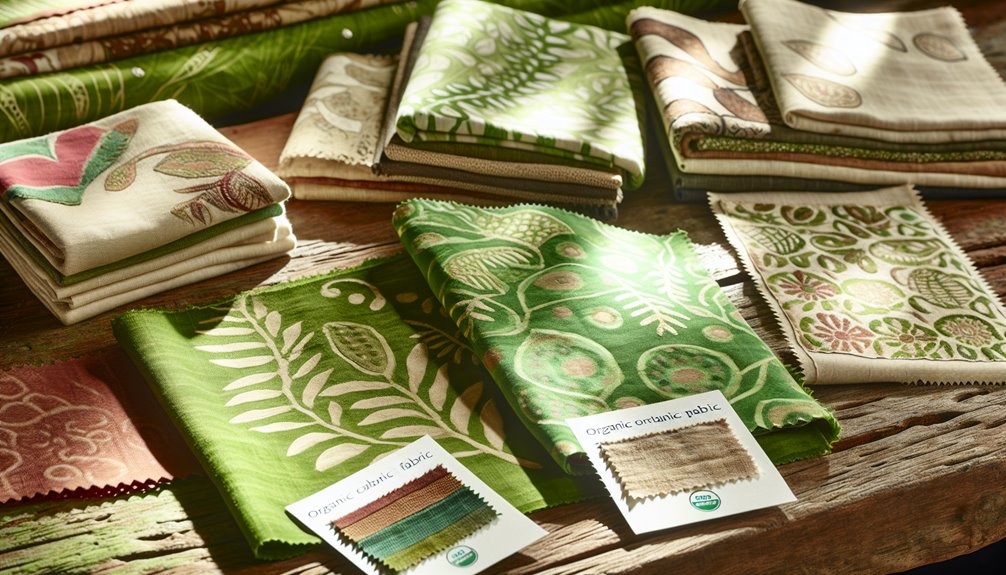
When you immerse yourself in the world of eco-friendly patch fabrics, researching sustainable materials is essential. You'll want to focus on two key components: organic fibers and natural dyes.
Organic fibers, such as cotton, hemp, and linen, are grown without synthetic pesticides or fertilizers. This is vital because conventional farming often depletes soil health and harms local ecosystems. By choosing organic, you support sustainable agriculture and promote biodiversity.
Natural dyes, on the other hand, offer a way to color your fabrics without the harmful chemicals found in synthetic dyes. These dyes, derived from plants, minerals, and insects, reduce environmental impact and can be safer for the skin.
However, not all natural dyes are created equal. Some may still involve processes that aren't eco-friendly, so it's important to research the specific sources and methods used.
As you explore your options, remember that every choice matters. By prioritizing organic fibers and natural dyes, you not only enhance your patchwork projects but also contribute to a healthier planet.
Your commitment to sustainable materials can inspire others, creating a ripple effect in your community. So, dig deep into your research; it'll be worth it in the end.
Check Certifications and Labels
As you explore eco-friendly patch fabrics, checking certifications and labels is essential for ensuring the materials you choose truly align with sustainable practices. Certification significance can't be overstated; it serves as a guarantee that a product meets specific environmental and social standards.
Look for well-known certifications like Global Organic Textile Standard (GOTS) or OEKO-TEX, as these indicate that the fabric has been rigorously tested for harmful substances and adheres to eco-friendly production methods.
Label transparency is equally important. A clear label provides you with crucial information about the fabric's origins, production processes, and any chemicals used during manufacturing.
When you see a label that openly shares this information, you can feel more confident in your purchase. Conversely, vague or misleading labels can hide unsustainable practices, making it harder for you to make informed decisions.
Always take the time to research these certifications and labels before buying. By doing so, you're not just choosing fabric; you're supporting a movement towards sustainability and ethical practices.
Your choices matter, and being informed can make a significant difference in promoting a healthier planet.
Consider Local Sourcing
Exploring eco-friendly patch fabrics also means considering where your materials come from. Local sourcing can greatly impact your fabric's origins and the environment. By choosing materials produced nearby, you not only reduce the carbon footprint associated with transportation but also support local economies. This decision encourages sustainable practices within your community, promoting ethical production methods.
When you source fabrics locally, you can often find options made from organic or recycled materials. These fabrics tend to have a lower environmental impact since they don't require extensive shipping and processing. Additionally, buying local often means supporting small businesses that prioritize sustainability, which can lead to a positive community impact.
You're not just purchasing fabric; you're investing in your community and helping to foster responsible manufacturing practices.
However, it's vital to research the companies you choose. Not all local producers adhere to eco-friendly practices, so take the time to understand their methods and materials. By being mindful of where your patch fabrics come from, you're making a conscious choice that benefits both the planet and your community.
Each decision counts, and local sourcing is a step toward a more sustainable future.
Evaluate Fabric Durability
Durability is an essential factor to take into account when selecting eco-friendly patch fabrics. The longevity of the fabric plays a vital role in minimizing its environmental impact. Choosing a durable material means you won't need to replace it as often, reducing waste and conserving resources.
To help you evaluate fabric durability, consider the following table:
| Fabric Type | Durability Rating |
|---|---|
| Organic Cotton | Moderate |
| Hemp | High |
| Tencel | Moderate |
You'll want to look for fabrics that can withstand wear and tear while maintaining their appearance over time. Fabrics like hemp boast impressive durability, making them a wise choice for long-lasting projects. Although organic cotton is gentle on the environment, it may not hold up as well in high-use scenarios. Tencel offers a balance of softness and strength, but its longevity can vary depending on usage.
Explore Upcycled Options
Upcycled fabrics offer a creative and sustainable solution for eco-friendly patch projects. By engaging in creative repurposing, you're not just saving materials from landfills; you're also transforming them into something new and beautiful. You might find old clothing, linens, or even upholstery fabric that can be cut down and used for patchwork techniques.
This practice not only reduces waste but also allows you to express your individuality through unique designs.
However, it's important to choose your upcycled options carefully. Make sure the fabrics are clean and free from damage, as this can affect the overall appearance and durability of your patches.
Check for any lingering odors or stains that mightn't wash out. When selecting pieces, consider how different textures and colors can blend together, enhancing your patchwork.
Frequently Asked Questions
What Are the Benefits of Using Eco-Friendly Patch Fabrics?
Using eco-friendly patch fabrics offers you sustainable sourcing and reduces environmental impact. You'll appreciate the organic materials that not only contribute to a healthier planet but also enhance the quality and durability of your projects.
How Do Eco-Friendly Fabrics Impact the Environment?
Eco-friendly fabrics greatly reduce your environmental impact by using sustainable materials that minimize pollution and waste. When you choose these options, you support healthier ecosystems and promote responsible consumption, making a positive difference for our planet.
Can I Dye Eco-Friendly Fabrics Without Harming Them?
Yes, you can dye eco-friendly fabrics safely! Just use natural dyeing techniques. They're gentle on the fabric and the environment. Always test a small piece first to verify it holds the color well.
Are There Specific Brands Known for Eco-Friendly Patch Fabrics?
Yes, several brands focus on sustainable sourcing and ethical manufacturing for patch fabrics. Look for companies that prioritize eco-friendly materials, transparency in their production processes, and commitment to reducing environmental impact in their offerings.
How Can I Care for Eco-Friendly Fabrics to Maintain Their Integrity?
To care for eco-friendly fabrics, focus on sustainable washing methods. Use cold water, gentle cycles, and eco-friendly detergents. Avoid fabric softeners, and air dry whenever possible to guarantee proper fabric maintenance and longevity.