Category Archives: CUSTOM PATCHES

Best quality embroidered badges, monograms, and customized iron-on patches for clothing and accessories.


british embroidery patch appeal

Why Choose British Embroidery Styles for Patches?

Choosing British embroidery styles for patches gives you a unique combination of cultural depth and quality. These styles reflect centuries of tradition, showcasing intricate designs that connect you to history. The craftsmanship is impressive, using durable fabrics and refined stitch techniques that resist wear and tear. You can find versatile designs that express your personality, from vibrant colors to meaningful quotes. However, be cautious of lower-quality options that may not last. Plus, engaging respectfully with cultural heritage is essential to avoid appropriation. There's so much more to discover about these beautiful patches and their significance.

Key Takeaways

  • British embroidery styles offer rich historical significance, connecting generations through centuries of cultural influences and unique regional designs.
  • The intricate aesthetic appeal combines artistry with traditional techniques, creating visually stunning patches that attract modern audiences.
  • High-quality craftsmanship ensures durability and longevity, with carefully selected fabrics and expert stitching minimizing wear and tear.
  • Versatile design options allow for personalized expressions, with unique patterns, colors, and text that reflect individual interests and styles.
  • Embroidery patches celebrate cultural heritage, symbolizing community connections and family lineage while respecting traditional motifs and practices.

Rich Historical Significance

When you think about British embroidery styles for patches, it's hard not to appreciate their rich historical importance. These styles are deeply rooted in the cultural fabric of the United Kingdom, showcasing various historical influences that have shaped them over centuries.

From medieval times to the Victorian era, each period contributed unique techniques and designs, reflecting the social and political climates of the time.

You'll notice that regional variations play a vital role in British embroidery. For instance, the intricate floral patterns of Welsh embroidery differ markedly from the bold geometric shapes seen in Scottish designs.

These distinctions stem from local traditions, materials, and even the climate, showcasing how geography influences craftsmanship.

Understanding these historical influences and regional variations isn't just about appreciating art; it's about recognizing a legacy that connects generations. Each patch tells a story, encapsulating the rich tapestry of British history.

When choosing British embroidery patches, you're not just picking a decorative item; you're embracing a narrative that deserves respect and recognition. This awareness can enhance your appreciation for the artistry involved and guarantee that the importance of these styles isn't lost in modern trends.

Unique Aesthetic Appeal

British embroidery patches possess a unique aesthetic appeal that captivates the eye and sparks curiosity. Their intricate designs often reflect cultural history and artistry, drawing you into a world where craftsmanship meets creativity. Utilizing traditional techniques, artisans have perfected methods like satin stitch and crewel work, creating textures and depth that make each patch stand out.

You'll notice how these methods have been passed down through generations, preserving the stories and styles of the past. However, it doesn't stop at tradition. Modern adaptations have emerged, blending contemporary themes with classic embroidery. This combination allows you to express personal style while honoring a rich heritage.

You might find patches that incorporate vibrant colors and innovative designs, appealing to the younger generation while still paying tribute to the original techniques. Choosing British embroidery patches means embracing a visual language that tells a story—your story.

High-Quality Craftsmanship

With a commitment to excellence and attention to detail, high-quality craftsmanship is at the heart of British embroidery patches.

When you choose these patches, you're not just getting decorative pieces; you're investing in artistry that showcases exceptional stitch techniques and premium fabric choices.

The intricate stitch techniques used in British embroidery guarantee durability and longevity, meaning your patches won't fray or fade easily.

Quality fabrics, such as cotton or wool, are carefully selected to enhance the overall aesthetic while providing a sturdy base for the embroidery.

These choices contribute to a patch that feels substantial and looks refined.

You should also be cautious about inferior options that might use lower-quality materials or sloppy stitching.

Such patches can deteriorate quickly, leaving you disappointed and out of pocket.

Versatile Design Options

The beauty of British embroidery patches lies in their versatile design options, allowing you to express your unique style. With the ability to blend tradition and contemporary trends, these patches offer an exciting canvas for creative customization. You can choose designs that resonate with you, guaranteeing your patches aren't just accessories, but personal statements.

Consider these design options:

  • Unique patterns that reflect your personality
  • Color combinations to match any outfit
  • Text options for adding meaningful quotes or names
  • Motifs that celebrate hobbies, interests, or passions
  • Seasonal designs that keep your style fresh

While exploring these options, it's crucial to remember that the right patch can enhance your wardrobe and showcase your individuality.

However, be cautious with trends—what's popular today may not resonate tomorrow. Choosing a patch that aligns with your personal style rather than fleeting contemporary trends will guarantee it remains a cherished piece for years to come.

Cultural Heritage Representation

Cultural heritage representation through embroidery patches offers a vibrant way to celebrate and honor traditions. When you use these patches, you're not just adding flair to your clothing; you're engaging in heritage storytelling that connects you to your roots. Each stitch can tell a story, reflecting the unique cultural identity of a community or individual.

By choosing British embroidery styles, you embrace a variety of designs steeped in history, symbolizing everything from family lineage to regional pride. These patches often incorporate traditional motifs and colors, making them powerful symbols of cultural significance.

However, it's crucial to approach this representation with respect and understanding. Misusing or misrepresenting these symbols can dilute their meaning and offend those who hold them dear.

Engaging in cultural appropriation, rather than appreciation, can have serious consequences.

Frequently Asked Questions

Are British Embroidery Patches Suitable for Outdoor Use?

Yes, British embroidery patches can be suitable for outdoor use due to their style versatility and historical significance. Just guarantee you choose durable materials that withstand weather conditions, maintaining both functionality and aesthetic appeal.

How Do I Care for British Embroidery Patches?

To care for British embroidery patches, use gentle cleaning techniques like hand washing with mild soap. This guarantees patch longevity, preventing damage while keeping your designs vibrant and intact for years to come.

Can I Customize British Embroidery Patches?

Absolutely, you can customize British embroidery patches! Explore various custom design options and patch personalization techniques to create something unique that reflects your style and message. Get creative and make it truly yours!

Where Can I Purchase Authentic British Embroidery Patches?

You can purchase authentic British embroidery patches from specialty retailers, online marketplaces, or artisan shops. Explore their historical significance and design variations to find unique pieces that resonate with your personal style and appreciation for tradition.

What Materials Are Commonly Used in British Embroidery Patches?

British embroidery patches often feature cotton, silk, or wool, reflecting traditional techniques. These materials not only enhance durability but also carry cultural significance, showcasing the rich heritage and artistry embedded in each unique design you'll find.

uk custom embroidery techniques

Mastering Basic Techniques for Embroidery Patches

To master custom embroidered patches in the UK, you need to grasp embroidery basics and essential tools. Understand stitch types like satin and running, as they impact your patch’s appearance and durability. Choose the right fabrics, like durable twill or sturdy felt, to guarantee lasting quality. Design your patch with clear, simple elements, as strong visual communication is vital. Master stitching techniques for a professional finish, and carefully select backing methods, like iron-on or sew-on. Proper finishing enhances durability, so pay attention here too. There’s much more to uncover that can help elevate your patch-making skills further.

Key Takeaways

  • Understand stitch types like satin and fill to enhance durability and appearance of your embroidered patches.
  • Choose the right fabric, such as twill or felt, for optimal embroidery results and longevity.
  • Utilize quality embroidery machines and appropriate thread types, like polyester for durability and rayon for shine.
  • Apply effective finishing techniques and select suitable backing methods, such as iron-on or sew-on, for secure attachment.
  • Practice design principles, focusing on simplicity and color theory, to create impactful and visually appealing patches.

Understanding Embroidery Basics

When diving into the world of custom embroidered patches, it’s vital to grasp the fundamentals of embroidery first. Understanding stitch types is essential, as they determine the overall look and durability of your patches.

Common stitch types include satin, fill, and running stitches. Satin stitches create a smooth finish, while fill stitches cover larger areas with texture. Running stitches, on the other hand, are used for outlines or subtle detailing.

Next, fabric choices play a significant role in your project’s success. Different fabrics react uniquely to embroidery, impacting both appearance and longevity.

Popular choices include cotton, twill, and canvas. Cotton is versatile but may fray easily. Twill offers durability and a professional finish, making it a favorite for patches. Canvas is sturdy and ideal for heavier applications but can be challenging to embroider on.

Essential Tools and Materials

To create high-quality custom embroidered patches, you’ll need a few essential tools and materials. First, invest in an embroidery machine; it’s vital for producing intricate designs efficiently.

Select the right thread types, like polyester or rayon, as they offer durability and vibrancy. You’ll also need design software to create and edit your patch designs, allowing for precise color selection and adjustments.

When choosing fabric, consider options like twill or felt, which provide a solid base for embroidery. Patch backing is another important factor; options include iron-on, sew-on, or adhesive backing, each serving different purposes depending on the intended use.

Be mindful of patch sizes, as this will affect your overall design and application. Finally, don’t overlook maintenance tips to extend the life of your patches. Regular cleaning and proper storage can prevent damage and fading.

Designing Your Patch

Creating a customized embroidered patch starts with a solid design that captures the essence of your vision. It’s vital to reflect on the elements that will resonate with your audience. Start by focusing on your concept, and let your creativity flow. Remember, the design will be the first impression you make.

Here are three key aspects to keep in mind:

  1. Color Theory: Your color choices can evoke specific feelings. For instance, blue can convey trust, while red often signifies passion. Choose colors that align with your message.
  2. Patch Placement: Think about where the patch will be worn. Will it be on a jacket, cap, or bag? The placement affects visibility and impact, so plan accordingly.
  3. Simplicity and Clarity: A cluttered design can confuse viewers. Aim for a clean design that communicates your message effectively, ensuring your audience can grasp it at a glance.

Stitching Techniques to Master

After you’ve nailed down your design, it’s time to focus on the stitching techniques that will bring your patch to life. Mastering these techniques is essential for achieving a professional look and ensuring your patch lasts.

Two key stitches to learn are the satin stitch and the chain stitch.

The satin stitch is perfect for filling in areas with a smooth, glossy finish. It involves stitching parallel lines close together, creating a dense coverage that highlights your design beautifully. When using a satin stitch, take your time to keep your lines even; uneven stitching can detract from your patch’s overall appearance.

On the other hand, the chain stitch adds a decorative touch and is quite versatile. This stitch consists of a series of looped stitches, which can create a textured look along the edges of your design. It’s particularly effective for outlines or for adding detail to shapes.

Both techniques require practice, so don’t get discouraged if your first attempts aren’t perfect. Focus on developing your skills, and soon you’ll be able to create stunning custom embroidered patches that showcase your creativity and craftsmanship.

Finishing and Application Methods

When your custom embroidered patch is complete, you’ll want to focus on how to finish and apply it for the best results. Proper finishing guarantees your patch looks professional and lasts longer. Here are some key steps to take into account:

  1. Select the Right Patch Backing: Choose a backing that suits your needs—iron-on, Velcro, or sew-on. Iron-on is easy but may not hold up on all fabrics. Velcro offers flexibility, while sew-on guarantees durability.
  2. Employ Effective Attachment Techniques: Depending on your backing choice, use appropriate methods. For iron-on patches, heat the adhesive backing with an iron, applying firm pressure. For sew-on, use a strong thread and stitch around the edges, making sure it’s secure.
  3. Test the Application: Before finalizing, test the patch on a scrap fabric. This way, you can see how it adheres and guarantee it won’t peel off or damage the garment.

Frequently Asked Questions

Can I Create Patches Without a Sewing Machine?

Yes, you can create patches without a sewing machine! Try hand embroidery techniques for detailed work. Explore patch design ideas like simple shapes or intricate patterns, and let your creativity shine through your handcrafted designs.

What Are the Best Fabrics for Embroidered Patches?

When choosing patch materials, consider cotton twill, felt, or canvas for durability. Each patch fabric type offers unique textures and strengths, ensuring your embroidered patches stand out and last through wear and washing.

How Do I Care for My Embroidered Patches?

To care for your embroidered patches, regularly check for dirt and damage. For patch maintenance, gently clean them with a damp cloth. Store them flat in a cool, dry place to prevent creasing and fading.

Can I Use Iron-On Backing for All Patches?

You can’t use iron-on backing for all patches. While it’s great for convenience, some patches require sewing for better durability. Consider the fabric type and patch design before opting for iron-on applications.

How Do I Fix Mistakes in My Embroidery?

To fix mistakes in your embroidery, carefully unpick the flawed stitches, re-thread your needle, and re-stitch accurately. Remember, practice makes perfect—use these embroidery tips to improve your skills and avoid future errors.

custom embroidered patches techniques

3 Unique Techniques to Create Customized Embroidery Patches in UK

When creating custom embroidered patches, consider three main techniques. First, digitized embroidery is essential; adjusting thread tension and stitch density can make or break your design. Second, the appliqué method allows layering different fabrics, enhancing durability, but choose your materials wisely to avoid fraying. Finally, chenille embroidery provides a unique, fluffy texture that grabs attention, yet be cautious—it’s more vulnerable to wear. Each technique requires experimentation and quality control for the best results. Master these methods, and you’ll create patches that stand out, but there’s even more you might want to know about optimizing your designs.

Key Takeaways

  • Digitized Embroidery: Ensures precision with adjustable thread tension and stitch density for high-quality, durable patches.
  • Appliqué Method: Allows for layered designs with varied fabric choices, enhancing texture and contrast for unique patches.
  • Chenille Embroidery: Creates a fluffy, raised effect ideal for eye-catching designs, though careful with intricate details to maintain texture.
  • Quality Control: Regular inspections and durability testing are vital to maintain high standards and customer satisfaction in patch production.
  • Market Trends: Focus on personalized designs and eco-friendly materials to meet growing consumer demand in custom patches.

Digitized Embroidery Techniques

When it comes to custom embroidered patches, understanding digitized embroidery techniques is fundamental. These techniques are what transform your designs into high-quality patches that can withstand time and wear.

One significant aspect to take into account is thread tension. If the tension is too tight, it can cause the fabric to pucker, leading to an unsightly finished product. Conversely, if it’s too loose, you risk uneven stitches that can compromise the design’s integrity.

Another essential factor is stitch density. This refers to the number of stitches per square inch in your design. Higher stitch density can create a more detailed and polished look, but it can also make the patch stiffer and less flexible. On the other hand, too low of a stitch density may result in a patch that lacks depth and detail.

Balancing thread tension and stitch density is imperative for achieving the best results. If you’re new to embroidery, take the time to experiment with these variables.

Understanding how they interact will help you create patches that not only look great but also last longer. So, don’t overlook these details; they can make all the difference in your custom embroidered patches.

Appliqué Method

The appliqué method is a popular technique in custom embroidered patches, allowing you to add intricate designs and shapes to your fabric base. This method involves sewing a piece of fabric onto another piece, creating a layered effect that enhances the visual appeal of your patch.

You can choose from various fabric choices, like cotton, felt, or denim, which greatly impact the final look and durability of your design.

When selecting your appliqué designs, consider how the colors and textures will interact with your base fabric. Bright colors on dark fabrics can create a striking contrast, while subtle shades on lighter materials offer a more understated elegance.

However, be cautious—using incompatible fabrics may lead to fraying or peeling over time.

Moreover, verify that the edges of your appliqué are securely stitched to prevent any unraveling. A good quality thread is essential to withstand wear and tear.

Keep in mind that while the appliqué method allows for creativity, it requires careful planning and execution to achieve the desired result.

Chenille Embroidery

Chenille embroidery is an enthralling choice for custom patches, offering a unique texture that adds depth and character to your designs. This technique uses yarn to create a fluffy, raised effect, known as chenille texture, which can make your patches stand out. If you’re looking to grab attention and evoke a sense of nostalgia or warmth, chenille designs are perfect.

However, it’s crucial to reflect on a few factors. While chenille patches are visually appealing, they may not be the best option for every situation. The texture can be more vulnerable to wear and tear, especially in environments where patches experience friction or rough handling. Consequently, think carefully about where and how you’ll use these patches.

When designing, choose colors and shapes that complement the chenille texture, ensuring your design remains clear and appealing. You might also want to limit intricate details, as they may get lost in the fluff.

Frequently Asked Questions

What Materials Are Best for Custom Embroidered Patches?

When choosing materials for custom embroidered patches, focus on fabric selection that guarantees durability. Cotton and twill are great options, providing both strength and a smooth surface for vibrant embroidery, enhancing your patch’s overall lifespan.

How Do I Care for Embroidered Patches?

To care for your embroidered patches, you should regularly clean them gently, avoiding harsh chemicals. Store them flat or in a protective sleeve, preventing creases and ensuring they stay vibrant and intact for longer.

Can I Create Custom Patches in Different Shapes?

Absolutely, you can create custom patches in various shapes! With countless design possibilities, you’ve got plenty of shape options to choose from. Just let your creativity flow, and your unique ideas will come to life!

What Is the Typical Turnaround Time for Patch Orders?

The typical turnaround time for patch orders varies based on design considerations and pricing factors. Generally, you can expect about two to four weeks, but it’s best to confirm with your supplier for specifics.

Are There Minimum Order Quantities for Custom Patches?

Yes, there are often minimum order quantities for custom patches. These quantities can affect your design considerations and pricing strategies, so it’s smart to discuss your needs with the supplier to find the best options.

Types of Custom Fabric Badges for Clothing

Badges in UK has rich history. When it comes to fabric base embroidered ones, Yes, they grew side by side fashion and clothing industry. In this blog, you will find out every tiny details about fabric badges for custom use. Let us tell you the features, types, and most attracting custom badges today. Once finish this article, you will never get stranded when searching for valid patch manufacturer in town.

Before we dig in deep for it, let’s take over the initial terms valid for badges/fabric badges and custom patches.

Patch Vs Custom Patch

A Patch refers to any pieces of clothing used for covering hole or torn area on garment. It turns into custom patch when tailored for specific reason.

Patches Vs Badges

As compared to patches, badges keep more value to user intent. A badge is mostly assigned symbol for specific purpose. Either it is official or hobbyist, it fills more ingredients relevant to user identity, logo or text.

Customized Vs Personalized Vs Tailor Made

Customized patch follows corporate intent to design a logo. It mostly refers to official logo of company, organization or group. While personalized patch mainly refers to specifically individual needs. Above all, Tailor made is more revenant style to cut off well stick to targeted place most commonly to garment  and bag packs etc.

Logo Vs Monogram Vs Patch

With a little difference among all threes. A logo or monogram take up responsibility of strong representation to audience. While a patch is blank until designed for custom purpose.

Types of Fabric Badges For Backing Types

Custom badges have two key backing types for sticking onto clothing.

  1. Stitch on badges
  2. Ironable/Heat press

Stitch On Badges

Stich on badges offer plain backing, so the end user can stitch onto clothing from edges. These patches are most durable, do not peel off and most selling item in U.K.

Ironable patches

Ironable or heat press custom patches are those offer special treated backing for quick stick. They are applied a thin heat friendly layer which gets bonded when iron on it.

Types of Custom Badges/Patches

There are five key types of custom patches used for different needs and environment.

#1 Embroidered

Embroidered patches is the number 1 patch type under the long list of custom patches. They are durable, eye catching and most adjustable items for any kind of custom logo, mascot or monogram.

#2 Chenille

Chenille patches growing as strong candidate to replace over embroidery patches. They are also embroidered but they use acrylic/wool yarn in specific sequence for fluffy surface.

#3 Woven

Woven is printed embroidered on fabric. They feel extra cool on hats and different placement of clothing. Woven patches offer more detailing of emblems inside small required sizes.

#4 Pvc

Polyvinyl chloride Pvc patches are also know as soft rubber patches. They are adorable for gift and give away items. Keychains, military morale are two most making items for Pvc.

#5 Leather

Leather patches give extra elite look for branding. They are top choice for high quality hats. They offer genuine and fake synthetic leather also known as vegan/animal safe patches.

Types of Fabric Used for Custom Badges

Badges or patches are made from a variety of fabrics, depending uses and events. Here are 5 types of fabric can be used to design fully customized fabric badge for embroidery.
 
Felt – Felt is non-woven synthetic material fabric that is scrim and ideal for chenille embroidery badges.
 
Canvas – It is heavy knitted and soft material fabric which is ideal for vintage style or military monogram patches.
 
Polyester – It is synthetic fabric featuring resistant to shrinking/stretching. It is durable and favorite fabric for dye-sublimation and ironable badges.
 
Nylon – It is strong, lightweight, and durable. Patch makers use this fabric for on demand sweat/water resistant use of badges.
 
Twill – Twill fabric is the most common fabric for custom embroidery badges. an ideal pick for uniform badges.

What Is The Best Adhesive Stick?

Heat press backing provides the the best adhesive stick. It is durable and does not peel off less than 15-20 washes.

Who Can Make Fabric Badges? 

If you are looking to make your own badges for embroidery, Custom Patches Mania is the best place you can request for it. Our team helps buyers from scratch to the display, each step right advice. 


Types of Stickers Patches for Jacket and Coat

Jackets and coats are essential wardrobe for both styling and decorum needs. From keeping safe rough weather adding a polished touch, both these garment types make your outfit versatile.

Whether you’re looking for a casual denim jacket or a formal coat/blazer, there’s something perfect for every occasion. Hence, we have decide to combine all the pros and safeguarding in this blog which should help you customized with sticker patches.

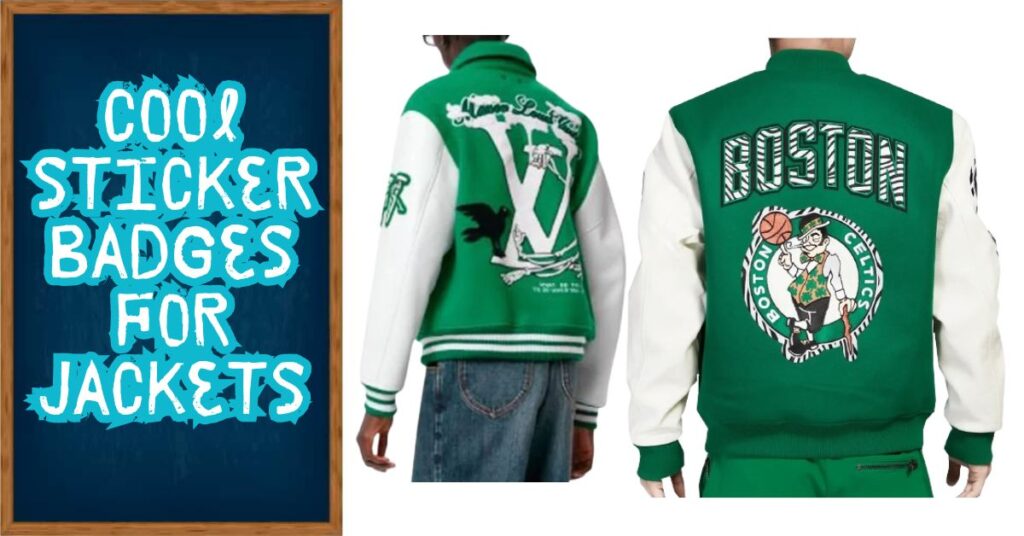
Jacket With Patches

Jackets with patches are super iconic when you try with custom patches. There are plenty of types including letterman for street cool fashion, varsity for high school achievement, denim vest for biker cuts and plain denim jackets for soft casual touch. Luckily, patch mania UK has something for all. We help you make your available or newly launch stock super relevant to event and places. We design for military and biker traditions to modern fashion symbols that embrace current trends.

Coats With Patches

Coats with patches offers a unique twist on classic outerwear. Historically, sticker and patches on coats were used for practical repairs, especially on work or military garments. However, they are more of a symbol for decorative use. With our cool stick on patches, we transform ordinary coats into statement pieces. We offer range of types for stickers that are super easy for peel-off, adhesive iron on and stitch over.

Types Of Stickers & Patches

With Patches Mania, the selection of patch types is endless. We do flat embroidered, 3D puff style, sleek woven, fluffy chenille, soft rubber made and vegan leather made. All those kinds use premium quality materials for fabric, thread, backers and finishing. We also offer some high-end fashion houses featuring limited-edition patches such as silver/gold glitter patches, beaded patches (pearl installed) and shiny sequin patches.

Still In Search of Cool Stylish Badges?

Stickers and patches for upper garments like jackets and coats need proper guidance and advice. Fortunately, you get all the necessary information free of cost with Patches Mania. Our expert opinion helps you decide right patch, placement, patch type and backing options. So, do not feel hesitated to get in touch. Let’s make your uppers super cool with sticker patches now.

Benefits Of Personalized Sew on Patches For Apparel Line

Benefits Of Personalized Sew on Patches For Apparel Line

Sew-on patches for apparel are most authentic option under custom patches. They are durable way to express affiliation on clothes. Featuring tailored made, they are in demand for personal styling. Let’s explore the unique facts and features of stitch on patches for apparel and clothing line.

4 Unique Benefits Of Sew On Patches

Customization

Sew-on or alternatively stitch on patches offer great way to personalize clothing, and uniforms. With Patches Mania, you can pick wide range of threads, shapes, edges and application method for a ease of designing apparel.

Repairing Tool

Sew-on patches can be used to cover tears on clothes in a way that you find it both repairing tool and with stylish embroidery work printed. You can even use them on knee, elbow and your favorite parts on jackets as a cool styling gadget.

Fabrics Safe

Hence sew-on patches do not require any heat application, they are safe to fabric and can be big advantage to your heat-sensitive apparel. Simply, they help you avoid risk of damaging and alteration.

Versatility

Stitch on back fabric patches offer wide range of application on clothing. You do not need to consider fabric type you are planning to stick patches to. Unlike, heat press patches, you can even apply them on leather, PU sheets, denim, 100% polyester, Corduroy and unwoven fabrics. With sew-on patches, you have freedom to stitch any type of apparel and accessories.

Ideal for Custom Embroidery

Backing options play key role in making of custom embroidery. Since the sew on do not need any after treatment, they are Sew-on cloth patches are fit choice personalized embroidery. This versatility gives an additional edge to sew-on badges. Another good features including being detailed-oriented hence high-quality designs. They can also withstand frequent washing and wear, ensuring that the embroidered design remains intact and vibrant over time. Special forces like police, Army, Navy Seals follow rug duties, hence the sew-on backing provides them both durability and ultra professional finish to their uniforms and gadgets.

Special Features

Above all, there are some unique features that can not compared to sew-on badges. They offer smart hands to custom embroidery, hence, they are popular for name and letter patches. Band patches, flag patches and official symbols follow extreme customization, which makes sew-on best choice for.

With Patches Mania, you can now also design reflective and glow in dark embroidery patch for sewing on. These patches are popular for night or low light areas with stitching backing on jackets and vests. Get connected with us or find more details on our website.

Buying Guide for Coolest Patches for Custom Jackets

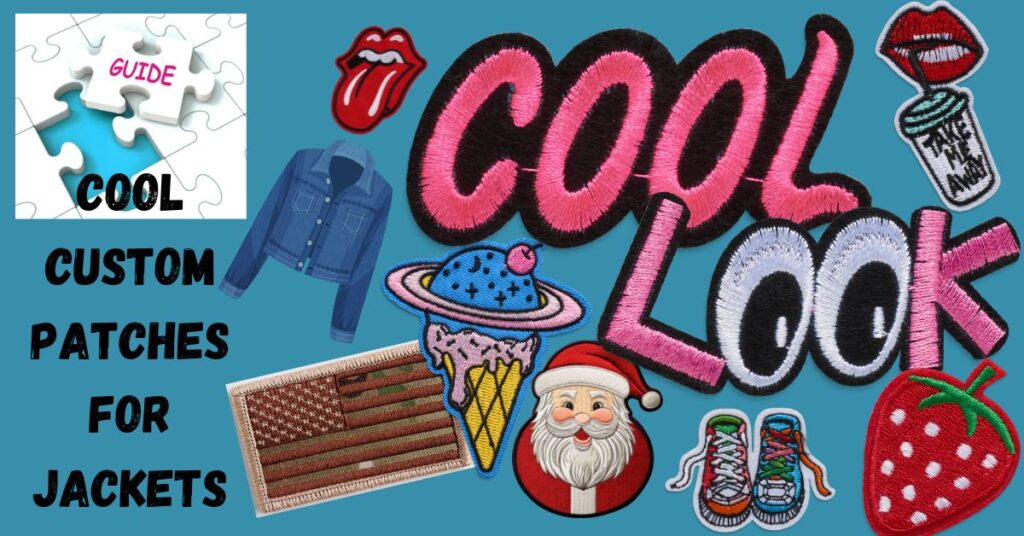
A custom patch for jacket is an immediate thing you need for a cool jacket. It is an essential ingredient to decorate jackets. As for jackets, clothes pieces of polyester, cotton, denim and wool needed, likewise you always need cool designs to create and flair personalization. 
 
In this blog, we are going to explore everything related to make jackets stylish with custom patches. This guide will add 5-Stars to your next one. Before we design our jacket with patches, let’s see what are those 3 types of patches you can use as decoration for extremely cool looks. 

Patches for sewing/Stitch on badges

Sew onto clothes patches refers to stitch only badges. The backing of these custom patches is plain, non-adhesive and no Velcro applied. That simply means the end user or buyer of these patches is going to sew on these onto clothing. The biggest benefit of this type is durability. They are long-lasting, and do not peel off washing. 

Ironable patches

Ironable patches stand for custom patches having dried adhesive chemical on the back. These adhesive layer only activated when they are heat press. They are familiar in clothing industry for multiple names such as, iron on patches, heat press patches and adhesive back for iron. 

Embroidered patches

Embroidered custom patches are divided into two types of techniques. One is flat, which is also called regular or 2D, another one is lifted or fluffy which is familiar as chenille. 
Both these types are quite famous for jacket back use. 

Things To Understand 

If you are planning to design cool jacket with multiple design of patches you might struggle to find vendor. The key reason is most of the patch manufacturer do not offer each patch for each design, hence, your order for custom patches consisting each units might be declined. Here are 2 main reasons. 

GRAPHICS COST 

The key reason to not offering multiple single patch from supplier is high cost. Each logo patch needs converted dst file to run under embroidery machine. This graphics works counts so high before even it’s being embroidering. 

BULK INTERRUPTION

Each patch run holds bounds whole embroidery machine for supplier. The bulk manufacturer do not like to produce no minimum (single patch) for each design because it takes on machinery all the way busy for very low profit expecting. 

Where To Buy Cool Patches for Jackets

large 1280x720 pixels banner image shows back fully customized jacket for multiple embroidered and chenille patches on the left on the floor, the right down area show front zipper with custom patches on sleeves, chest and pockets under customer feedback on google business profile highly recommended and 5 star service for embroidery
Patches Mania recently design fully customized letterman jacket for 32 different patches on the back, sleeves and chest placement for another 5-Star rating score.
 With all the industry information above, we know you must be thinking what is the right way to place an order then. So, you do not need to go anywhere. Just google a phrase ‘Custom Patches Mania’ and you will find us on the top. Our expert team is going to help all the way you can generate dream jacket with customized patches. Our pre-sales team is active 24/7 for quick advice, price quote and other queries. 
 
Let’s get the ball rolling for some coolest patches for your next jacket. 

Exploring the Hook-and-Loop System for Velcro Patches

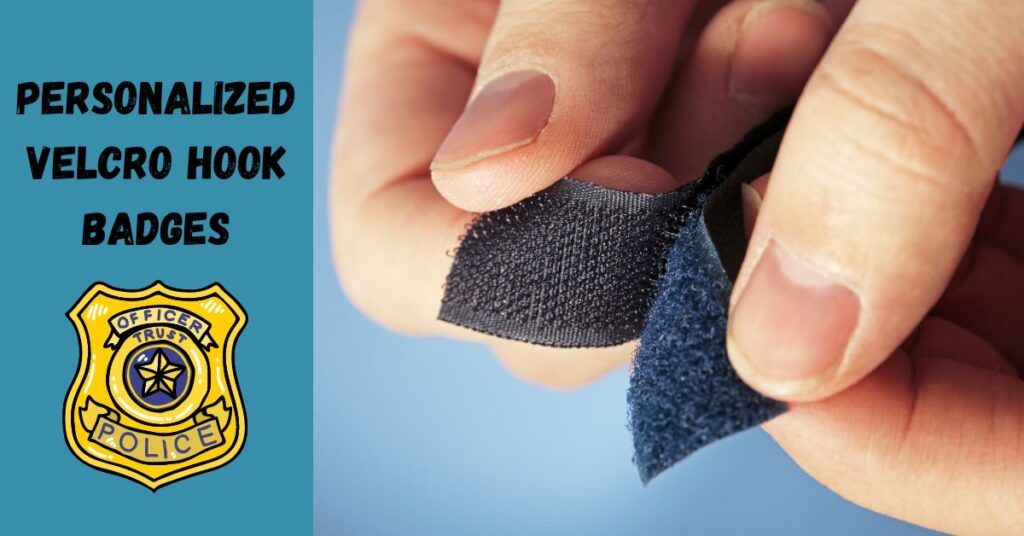
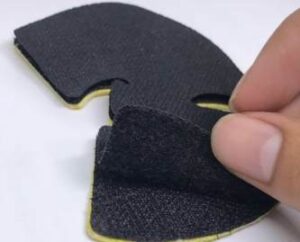
Patches for Velcro offers versatile fasteners used in a variety of applications as durability and ease of use. It has two components—a hook side and a loop side—they adhere securely when pressed together and can be easily separated by pulling apart.

Kinds of Patches For Velcro

Custom velcro patches are used for embroidery, Pvc and woven patches. Hook badges are popular in various fields such as military, law enforcement, emergency services, scouting, sports teams, and corporate environments.

Which Side Of Patch Goes for Velcro

Velcro patch features a hook side on the back of the custom patch and a loop side on the item to which the patch will be attached. Quick tear off allows easy attachment and removal for multiple use. Some of the examples for loop attachment are ready to wear gears such as; 

  • Airforce/Military Uniform
  • Backpacks for hiking
  • Morale helmet for military use

Different Names Of Velcro Set

This pair of Velcro hook and loop have different name in various origins. British call them Velcro hook patches. While there are several other names famous for Velcro backing for patches are;

  • Male/Female
  • Hard/Soft
  • Hook/Loop

Benefit and Use of Custom Made Velcro Patches

The vast benefits of Velcro support patches vary item to item. There are 4 unique reasons why Velcro patches stand tall compared to other types of custom patches.

#1 Personalization

Embroidery patches with Velcro hook backing allow for quick customization and identification by attaching different patches to a single surface. It could be a tactical uniform, backpack or helmet of an arm personnel.

#2 Durability

Velcro patches are reusable and maintain their fastening strength over time, making them a practical and economical choice for both personal and professional use. They offer hard bonding to soft rubber Pvc patches which are already most durable kind patch itself.

#3 Professional Appearance

Custom badges with velcro backing provide a neat and professional appearance, making them suitable for official attire of an Airforce pilot and other rugged usage for police and law enforcers clothing.

#4 Versatility

They can be attached to any surface that has loop panel. Usually, patch makers sell both sides (hook & loop) of Velcro so the end user should use fastener pair as per their need. This makes versatile for use on different types of clothing and gear.

Why Morale Patches For Velcro?

A morale patch refers to patch logo identifies the dare symbol to law enforcement officers. It also include customized design for personal use and heavy task oriented signs. The key examples for daring signs should be skulls, red Indian, poisonings snake or arms and guns. All these rugged signs usually applied Velcro hook on the back. 

Velcro Patches for Military

With all the rough use and long lasting backing Velcro patches are one of the top choice for personalized name plate carriers and Military style Velcro in U.K. Patches Mania offers cheap Velcro pair backing with fast delivery. Our largest gallery covers custom fonts and shapes for security, Aviation, Airsoft, and fire department.

Get in touch for details and make your first patch sample free of charge now.

Ultimate Reasons For Iron On Custom Patches on Clothes

Iron-on custom patches are pieces of fabric with an adhesive backing. The sticky back only turns on when heated. They are famous for quick transfer to garment as the special treatment on the back melts and bonds to target garment ironing on.

The Beginning

Custom embroidery patches have been used for centuries to decorate clothing, but the concept of adhesive-backed patches is more recent. The iron-on patch became popular during around 1970s, as a convenient way to stick patches on garments without stitching hassle.

Custom Made

Iron on patches on clothes are modernized with wide range of features. The one most prominent feature is custom made. It is no more just a piece of fabric hiding blank area. The are fully customized and tailor made now. Here are 4 key types of custom patches that offers ironable backing at full scale.

Embroidered Patches

Personalized embroidery patches use most of the units as ironable. This easy heat applied feature make custom embroidery as top selling type for company logos, text, initials and slogans.

Chenille Patches

Chenille patches were not ironable always. Yarn embroidery joined heat-pressable items recent years. Custom embroidery for chenille yarn has now grown simple letters to wide range of custom designs and mascots. Users across the world demand heat press backing features for quick application .

Woven Patches

Initially, weaving print patches face little harsh for ironing. But soon it joined the most authentic club of ironables. Low heat application solved the issue for ironable woven patches. Today, woven patches for branding and custom clothing are top choice sellers around U.K.

Pvc Patches

Pvc rubber patches have recently launched ironable feature. Although the adhesive bonidng do not long last as much as other patches do. But the increasing demand of iron on patches influenced soft Pvc patches jump into heat stick backing.

Types Of Clothing Suite Best for Iron On Patches

The clothing line for ironable patches is huge; here are some them below;

  • Denim/Leather Jackets
  • Lettermen Jackets
  • Hoodies
  • Sweatshirts
  • Work-shirts
  • T-shirts
  • Custom Hats
  • Biker Vests
  • Shorts


Types Of Fabric Feasible for Ironing On

Iron on patches go well for tightly knitted material. Any fabric that can withstand for high heat is feasible for iron on patch. Wrinkle-free material are not recommended for heat press patches, hence cotton is perfect match as it absorb heat properly and stick well. There are some other fabric types valid for ironing are; 

  • Cotton
  • Poly-cotton
  • Wool

Patches have rich history; it emerged so long ago, perhaps from the day first garment piece tear off. However, placing patch on clothe is easiest for ironing.

With all the favors of iron on patches mentioned above, we recommend Custom Patches Mania as best patch customizer for heat press patches. We offer completely free proof of design even placing an order. The shipping cost across U.K is Zero and we have live support for your dream design come true.

1200x628 featured image for a blog on embroidered badges iron on shows right part blank name plate embroidered custom patches; right side with text as title of blog and chenille yellow letters on lettermen jackets

Why Custom Embroidered Name Badges With Iron On

Types and Benefits Of Custom Embroidery Name Patches

Embroidered name badges are kind of custom patches features an individual name, company name, designation or service. Iron on name patches use fabric, fusing, thread and needle. This patch work use different embroidery techniques.

User Placement 

Customized embroidered name badges on left chest crafted for identification purposes in professional, organizational, or social settings. These badges can be stitched or heat press onto clothing. There are some other well-suited placement like backpacks, work shirts and school or labor uniforms. 

Why Should You Buy Iron On NickName Patches

There are several reason you can print your name or nickname. Here are few key reasons for customization.

Uniqueness/Personalization

Naming embroidery adds a personal touch to your wearing and luggage. Embroidered items with your name are unique and personalized, making them distinctively yours.

Memory Patches

Embroidered name patches are good source to paying tributes to your love ones. People get memorial days and events printed with custom names.

Giveaways

Embroidered items are famous as giveaways. They appeal more when they are personalized. Custom printed embroidery nicknames and initials let others know you care and make them meaningful for the recipient.

Long-Lasting

Embroidery is known for its durability. Unlike leather, chenille or printed names, machine embroidered names tend to last longer and withstand wear and tear.

Branding

Name patches are top choice for branding and start ups. Even stable businesses get cloth badges for several reason. The most useful is to promote brand name. They use embroidered keychains with name printed for wider audience reach. These low cost keyrings can reach far more than a neon lights onto forehead of your store.

Why Iron Ons

Iron on heat press is the most applied backing option for name embroidery patchwork. It offers several advantages like convenience of purchase and application. Estimated, 8 Out 10 embroidery store in U.K offer iron on backing for custom patches.

  • They are quick right purchase
  • It only needs a heating element for stick
  • They are cost effective, save amount to sewer for stitching
  • Do not peel off very easy/ Effective for multiple washes
  • Right choice for multi fabrics. Cotton, polyester and denim

Where To Buy Name Badges

Iron on badges for custom names are practical in certain situations, such as work shirts, school uniforms, sports teams, or group events. It needs identifying individuals with ranks quickly is important. Custom Patches Mania offers wide range of style, shapes and backing options for nameplate in embroidery. We offer shipping 100% free across U.K and pre-production sample of your name without any additional cost.

Feel free to connect with Patches Mania U.K and get your name print in embroidery now.