
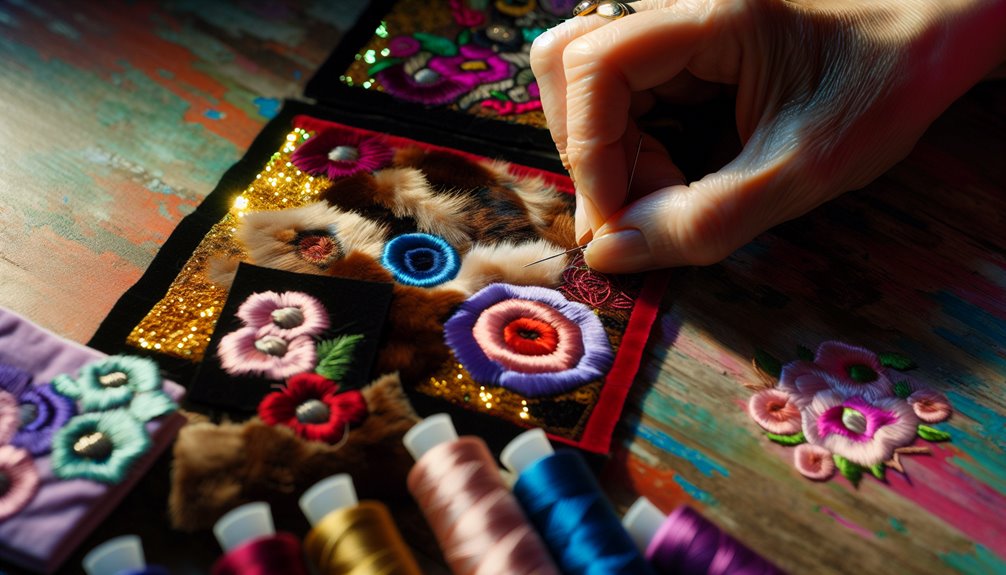
CUSTOM PATCHES
Exploring UK Bespoke Embroidery Techniques for Patches
Exploring UK bespoke embroidery techniques for patches connects you to a rich history and diverse artistry. You’ll encounter traditional hand-stitching methods like sashiko and backstitch, which preserve centuries of craft. Don’t overlook modern machine embroidery, which enhances precision and efficiency but requires careful operation to avoid mishaps. Choosing materials is essential too; heavier fabrics like canvas work better for durability. Think about design elements, from color choices to stitch texture, to make your patches stand out. An understanding of these techniques not only enriches your creations but also helps you appreciate the cultural significance behind each stitch. There’s much more to uncover.
Key Takeaways
- Traditional hand-stitching techniques like Sashiko and backstitch enhance the uniqueness and durability of bespoke patches.
- Regional embroidery styles reflect local culture, influencing bespoke designs and techniques across the UK.
- Modern machine embroidery allows for precise and intricate patch designs, incorporating advanced digital innovations.
- Selecting the right materials, such as canvas or twill, is crucial for the strength and appearance of bespoke patches.
- Creative design ideas, including nature themes and color choices, play a significant role in the overall impact of bespoke patches.
History of UK Embroidery
The rich tapestry of UK embroidery has evolved over centuries, reflecting cultural shifts and artistic movements. You might be surprised to learn that this craft isn’t just about decorative stitches; it’s a complex narrative filled with historical influences and regional styles. Each area of the UK has developed distinctive techniques that tell unique stories about its people and history.
For instance, the intricate designs of Devon embroidery showcase the region’s agricultural heritage, while the bold patterns of Scottish needlework often draw from Celtic traditions. These regional styles highlight how local culture and environment shape artistic expression.
As you explore further, you’ll notice that historical events, such as wars and trade, also played a significant role in shaping embroidery practices. The introduction of new materials and techniques often arrived with new influences, transforming traditional methods.
Understanding these historical influences can deepen your appreciation for embroidery. It’s not just art; it’s a reflection of societal changes and regional identities woven together over time.
Traditional Hand-Stitching Techniques
Explore the world of traditional hand-stitching techniques that have stood the test of time, each one offering a unique way to express creativity. Among these techniques, sashiko stitching stands out with its intricate patterns and historical roots in Japanese culture. This method not only strengthens fabric but also creates stunning visual designs, making it perfect for bespoke patches.
Understanding various needlework techniques is essential for anyone looking to immerse themselves in hand-stitching. Here’s a quick overview of some popular methods:
| Technique | Description | Use Cases |
|---|---|---|
| Sashiko Stitching | A method with a focus on patterns and durability. | Patches, quilting, and repairs. |
| Running Stitch | The simplest stitch, forming a line of small stitches. | Borders and outlines. |
| Backstitch | A strong stitch that creates a solid line. | Seams and detailed work. |
| Whip Stitch | A stitch used to join two pieces of fabric. | Hemming and closing openings. |
Each technique has its own charm and utility. By mastering these methods, you’ll not only enhance your embroidery skills but also preserve a rich tradition that deserves recognition. Remember, practice makes perfect!
Modern Machine Embroidery Methods
How can modern machine embroidery methods elevate your patch-making game? By incorporating digital embroidery innovations, you can achieve precision and detail that hand-stitching simply can’t match.
With today’s advanced technology, you can create intricate designs with ease, allowing you to express your creativity more effectively. Automation in embroidery streamlines the entire process, making it faster and more efficient.
However, while these methods offer numerous advantages, it’s vital to approach them with care. High-quality machines can come with a significant investment, and not all machines are created equal.
You need to take into account factors like stitch quality, thread compatibility, and design software integration.
Moreover, understanding the machine’s capabilities is essential. Misusing the technology can lead to frustrating results, such as thread breakage or design misalignment.
Therefore, investing time in learning how to operate your machine properly is just as important as the initial purchase.
Creative Patch Design Ideas
When it comes to crafting unique patches, your imagination is the only limit. You can immerse yourself in patch personalization by considering various artistic themes that resonate with you. For example, nature-inspired designs can feature flowers, animals, or landscapes, while geometric patterns might appeal to those who appreciate modern aesthetics.
Think about how colors affect the mood of your patch. Bright hues can evoke joy, while muted tones may convey a sense of calm. You should also consider the message you want to communicate through your design. Whether it’s a quote, symbol, or abstract representation, clarity in your theme helps your patch stand out.
Don’t forget the size and shape of your patch. A circular patch might work well for a logo, while a whimsical, irregular shape can add character to your design.
Experimenting with different textures and stitch techniques can also create depth, making your patch visually appealing. However, be cautious not to overcrowd your design; simplicity often enhances the overall impact.
Choosing the Right Materials
The materials you choose for your patches play a significant role in their overall look and durability. Selecting the right fabric and thread types is essential for achieving the desired outcome. A well-thought-out fabric selection can enhance the design, while the right thread guarantees that your patch withstands wear and tear.
Here’s a quick comparison to help guide your choices:
| Fabric Type | Thread Type | Durability |
|---|---|---|
| Cotton | Polyester | Moderate |
| Twill | Rayon | High |
| Canvas | Cotton | Very High |
| Felt | Metallic | Low |
When choosing fabric, consider factors like weight, texture, and color. Heavier fabrics like canvas are more durable, making them ideal for patches that see frequent use. On the other hand, lighter fabrics like cotton can offer greater flexibility but may wear out faster.
For thread types, polyester provides excellent strength, while cotton offers a softer finish. However, metallic threads can add a unique flair but may not be as durable. Always weigh your options carefully to guarantee your patches not only look great but also last long.
Frequently Asked Questions
How Do I Care for Embroidered Patches?
To care for embroidered patches, you should wash them gently in cold water using mild detergent. Avoid harsh chemicals and high heat to maintain patch durability. Hand washing’s often best for preserving your patches’ vibrant colors.
Can I Customize Embroidered Patches for Events?
Yes, you can customize embroidered patches for events. By focusing on event branding and unique patch designs, you’ll create memorable pieces that represent your event’s identity and engage attendees effectively. Let your creativity shine!
What Is the Average Cost of Bespoke Embroidery?
The average cost of bespoke embroidery varies based on several cost factors, like design complexity and quantity. You should compare pricing from different suppliers to find the best value for your specific needs.
How Long Does the Embroidery Process Take?
The embroidery process typically takes a few days to a week. Your stitching speed and thread selection can greatly impact the timeline, so choosing quality materials and efficient techniques will help streamline the overall process.
Are There Eco-Friendly Embroidery Options Available?
Yes, there are eco-friendly embroidery options available. You can choose sustainable materials and eco-conscious designs that reduce environmental impact while still delivering beautiful results. It’s a great way to express your values creatively.