Category Archives: CUSTOM PATCHES

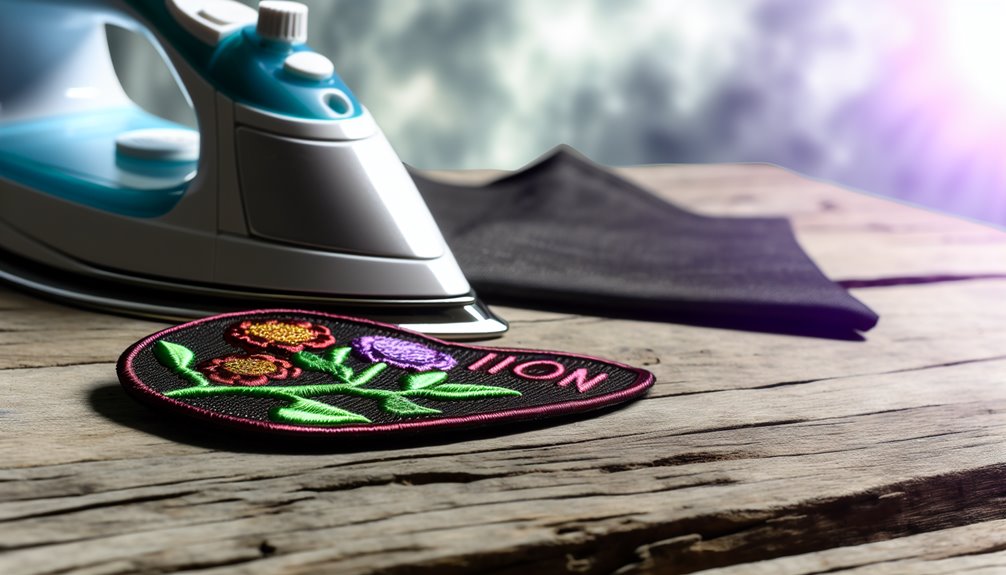
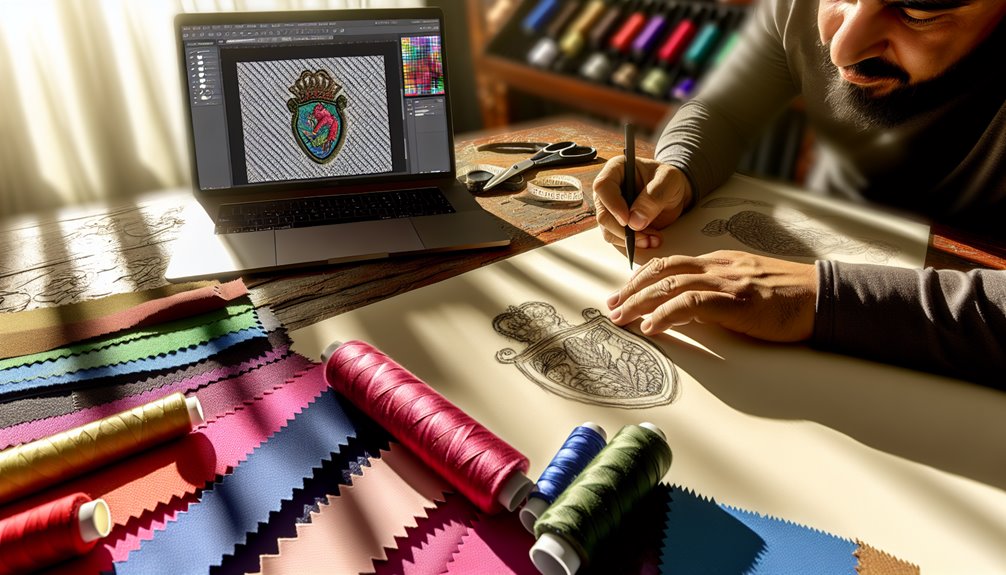
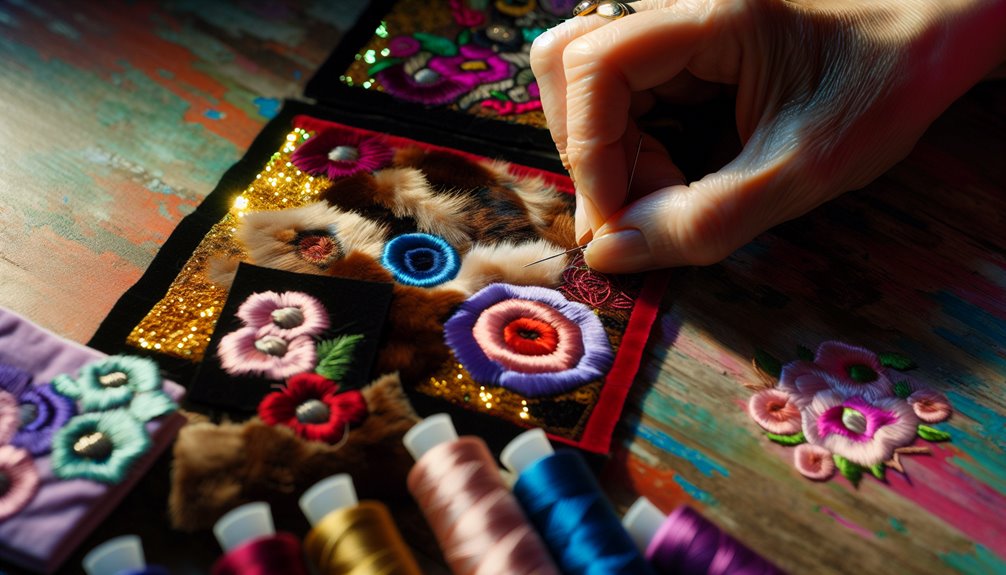
Best quality embroidered badges, monograms, and customized iron-on patches for clothing and accessories.


custom embroidered patch suppliers

Top UK Suppliers for Custom Embroidered Patches

When you’re looking for the top UK supplier of custom embroidered patches, consider The Patches Mania U.K. for notch-quality patches. They offer high-quality craftsmanship, ensuring your patches are durable and visually appealing. The Patch Company, for instance, specializes in fast production and strict quality checks, making it ideal for urgent needs. It’s essential to choose materials wisely, as cotton, twill, and synthetic fabrics each have distinct advantages. Pay attention to design details, as poor choices can lead to misrepresentation. If you stick with reputable suppliers, you can achieve a professional look and feel in your custom patches. More insights await you.

5 Points to Consider

  • Look for suppliers with a strong reputation for high-quality embroidered patches and strict quality assurance protocols.
  • Choose companies that offer a variety of material options, such as twill and canvas, for durability and style.
  • Seek suppliers that provide customization options, including various thread colors and textures, to meet specific branding needs.
  • Consider suppliers with fast production times to ensure quick delivery for urgent orders.
  • Research customer reviews and feedback to gauge satisfaction levels and service reliability among the top UK suppliers.

Patchwork Patches

Patchwork patches bring a unique charm to customization, blending various fabrics and designs into a cohesive piece. When you commence creating these patches, consider the patch design carefully. A well-thought-out design can greatly impact how your patch looks and feels.

You can choose from a variety of patch materials, such as cotton, denim, or synthetic fabrics, each offering different textures and durability. However, it’s crucial to understand that not all materials are suitable for every design. For instance, heavier materials might be challenging to sew into intricate designs, while lighter fabrics may not withstand wear and tear.

Pay attention to how your chosen materials interact with one another; mismatched textures can lead to an unappealing outcome. Moreover, the stitching method you select will also influence the patch’s longevity. Verify that you use techniques that securely hold the materials together, preventing fraying or peeling over time.

The Patch Company

When you’re looking for high-quality custom embroidered patches, The Patch Company stands out as a top choice. They specialize in creating unique patch designs that cater to your specific needs. With a wide range of thread options, you can choose colors and textures that best represent your vision. Their commitment to quality ensures your patches not only look great but also withstand wear and tear.

Here’s a quick comparison of some features you can expect from The Patch Company:

Feature Details
Patch Design Customizable to fit your needs
Thread Options Variety of colors and textures
Production Time Fast turnaround for urgent orders
Quality Assurance Strict quality checks in place
Pricing Competitive rates for bulk orders

Understanding the importance of patch design and thread options is essential when making your selection. The right choices can greatly enhance the overall look and feel of your patches. With The Patch Company, you can have peace of mind knowing you’re working with a reliable supplier that prioritizes your satisfaction. Don’t compromise on quality—choose wisely when investing in custom embroidered patches.

Custom Patches UK

Custom patches in the UK offer a fantastic way to showcase your brand, team, or personal style. When considering custom patches, it’s essential to stay up to date on current design trends. From vintage aesthetics to modern minimalist styles, the right design can elevate your patch’s impact.

Think about what resonates with your audience and reflects your identity. Equally important are the patch materials you choose. Common options include woven, embroidered, and PVC. Each material has unique characteristics that affect durability and appearance.

For example, embroidered patches provide a classic look and can withstand wear, while PVC patches are waterproof and suitable for outdoor use. Before making a decision, weigh the pros and cons of each material and design trend.

A poorly chosen patch can misrepresent your brand or fail to meet your expectations. It’s wise to collaborate with a reputable supplier who understands your vision and can guide you through the selection process.

Embroidered Badges

Embroidered badges have become a popular choice for organizations seeking to enhance their branding and foster unity among members. These badges, featuring intricate embroidered designs, aren’t just decorative; they represent values, achievements, and a collective identity.

When considering badge applications, think about how they can be used in various contexts, from uniforms to special events.

Choosing the right design is vital. You want your badge to clearly and effectively reflect your organization’s ethos. Whether it’s a simple logo or a more complex emblem, embroidery quality plays a significant role in how your badge is perceived. High-quality embroidery ensures durability and a professional look, elevating your brand’s reputation.

However, it’s important to be cautious during the design process. Poorly designed badges can lead to misinterpretation of your message or even damage your organization’s image.

Take the time to research suppliers specializing in custom embroidered patches, as they can help you create badges that truly resonate with your audience. Remember, the right embroidered badge can make a lasting impression, so choose wisely.

Sewn Up Patches

For those seeking a durable and stylish way to showcase their identity, sewn up patches offer a fantastic solution.

These patches not only serve as eye-catching accessories but also reflect your unique personality. When examining sewn up patches, it’s crucial to understand various design techniques and material choices that can impact the final product.

Here are a few factors to reflect on:

  1. Material Choices: Look for high-quality fabrics like twill or canvas for durability, ensuring your patches withstand wear and tear.
  2. Design Techniques: Opt for embroidery over printing for a textured look that lasts longer and resists fading.
  3. Colorfastness: Choose threads and fabrics that won’t bleed or fade over time, maintaining the vibrancy of your design.
  4. Attachment Methods: Decide between sewn-on or iron-on options based on your intended use, keeping in mind that sewn patches tend to be more secure.

What Is the Typical Turnaround Time for Custom Embroidered Patches?

The typical turnaround time for custom embroidered patches varies. It usually depends on design considerations and pricing factors. You can expect anywhere from a few days to several weeks based on complexity and quantity ordered.

Can I Order a Single Custom Embroidered Patch?

Yes, you can order a single custom embroidered patch. Consider design aspects like size and colors, as these impact patch applications. Single orders can be perfect for personal use or unique promotional needs.

What File Format Is Needed for Patch Designs?

For patch designs, you’ll need specific file types like .ai, .eps, or .png. Make certain to follow the design specifications provided by your supplier to guarantee your patch turns out exactly how you envision it.

Are There Minimum Order Quantities for Custom Patches?

Yes, most suppliers have minimum order quantities for custom patches. These quantities often affect your design options and pricing tiers, so it’s wise to check with your supplier for specific details before placing an order.

How Should I Care for My Embroidered Patches?

To care for your embroidered patches, follow some patch maintenance tips. Use gentle patch cleaning techniques, like spot cleaning with a damp cloth. Avoid harsh chemicals and machine washing to keep them looking great longer.
eco friendly patch fabric tips

5 Tips for Choosing Eco-Friendly UK Patch Fabrics

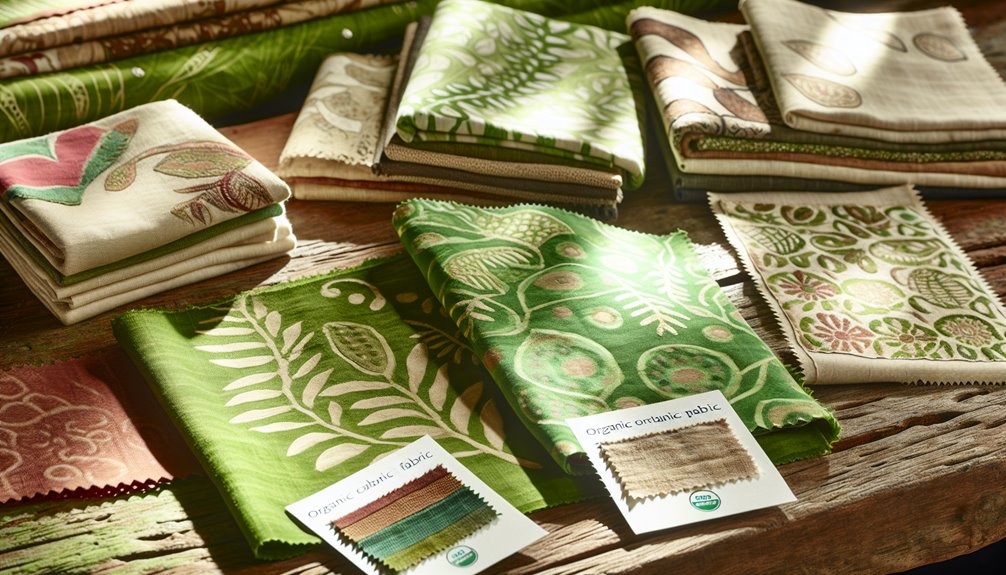
When choosing eco-friendly patch fabrics in the UK, start by researching sustainable materials like organic cotton or hemp, grown without harmful chemicals. Always check for certifications, such as GOTS or OEKO-TEX, which guarantee eco-friendly practices. Consider local sourcing to cut down on carbon emissions and support your community. Evaluate the durability of fabrics; more durable options like hemp last longer, which reduces waste. Finally, explore upcycled fabrics to give new life to old materials, but verify they're clean and intact. Making informed choices can greatly impact your projects and the environment, and there's more to explore on this topic.

Key Takeaways

  • Research sustainable materials, focusing on organic fibers like cotton, hemp, and linen grown without synthetic pesticides or fertilizers.
  • Check for reliable certifications like GOTS or OEKO-TEX to ensure fabrics meet environmental and social standards.
  • Prioritize local sourcing to reduce transportation emissions and support local businesses committed to sustainability.
  • Evaluate fabric durability to reduce waste; opt for more durable options like hemp for long-lasting projects.
  • Explore upcycled fabrics to repurpose materials, preventing landfill waste while adding unique designs to your patchwork.

Research Sustainable Materials

When you immerse yourself in the world of eco-friendly patch fabrics, researching sustainable materials is essential. You'll want to focus on two key components: organic fibers and natural dyes.

Organic fibers, such as cotton, hemp, and linen, are grown without synthetic pesticides or fertilizers. This is vital because conventional farming often depletes soil health and harms local ecosystems. By choosing organic, you support sustainable agriculture and promote biodiversity.

Natural dyes, on the other hand, offer a way to color your fabrics without the harmful chemicals found in synthetic dyes. These dyes, derived from plants, minerals, and insects, reduce environmental impact and can be safer for the skin.

However, not all natural dyes are created equal. Some may still involve processes that aren't eco-friendly, so it's important to research the specific sources and methods used.

As you explore your options, remember that every choice matters. By prioritizing organic fibers and natural dyes, you not only enhance your patchwork projects but also contribute to a healthier planet.

Your commitment to sustainable materials can inspire others, creating a ripple effect in your community. So, dig deep into your research; it'll be worth it in the end.

Check Certifications and Labels

As you explore eco-friendly patch fabrics, checking certifications and labels is essential for ensuring the materials you choose truly align with sustainable practices. Certification significance can't be overstated; it serves as a guarantee that a product meets specific environmental and social standards.

Look for well-known certifications like Global Organic Textile Standard (GOTS) or OEKO-TEX, as these indicate that the fabric has been rigorously tested for harmful substances and adheres to eco-friendly production methods.

Label transparency is equally important. A clear label provides you with crucial information about the fabric's origins, production processes, and any chemicals used during manufacturing.

When you see a label that openly shares this information, you can feel more confident in your purchase. Conversely, vague or misleading labels can hide unsustainable practices, making it harder for you to make informed decisions.

Always take the time to research these certifications and labels before buying. By doing so, you're not just choosing fabric; you're supporting a movement towards sustainability and ethical practices.

Your choices matter, and being informed can make a significant difference in promoting a healthier planet.

Consider Local Sourcing

Exploring eco-friendly patch fabrics also means considering where your materials come from. Local sourcing can greatly impact your fabric's origins and the environment. By choosing materials produced nearby, you not only reduce the carbon footprint associated with transportation but also support local economies. This decision encourages sustainable practices within your community, promoting ethical production methods.

When you source fabrics locally, you can often find options made from organic or recycled materials. These fabrics tend to have a lower environmental impact since they don't require extensive shipping and processing. Additionally, buying local often means supporting small businesses that prioritize sustainability, which can lead to a positive community impact.

You're not just purchasing fabric; you're investing in your community and helping to foster responsible manufacturing practices.

However, it's vital to research the companies you choose. Not all local producers adhere to eco-friendly practices, so take the time to understand their methods and materials. By being mindful of where your patch fabrics come from, you're making a conscious choice that benefits both the planet and your community.

Each decision counts, and local sourcing is a step toward a more sustainable future.

Evaluate Fabric Durability

Durability is an essential factor to take into account when selecting eco-friendly patch fabrics. The longevity of the fabric plays a vital role in minimizing its environmental impact. Choosing a durable material means you won't need to replace it as often, reducing waste and conserving resources.

To help you evaluate fabric durability, consider the following table:

Fabric TypeDurability Rating
Organic CottonModerate
HempHigh
TencelModerate

You'll want to look for fabrics that can withstand wear and tear while maintaining their appearance over time. Fabrics like hemp boast impressive durability, making them a wise choice for long-lasting projects. Although organic cotton is gentle on the environment, it may not hold up as well in high-use scenarios. Tencel offers a balance of softness and strength, but its longevity can vary depending on usage.

Explore Upcycled Options

Upcycled fabrics offer a creative and sustainable solution for eco-friendly patch projects. By engaging in creative repurposing, you're not just saving materials from landfills; you're also transforming them into something new and beautiful. You might find old clothing, linens, or even upholstery fabric that can be cut down and used for patchwork techniques.

This practice not only reduces waste but also allows you to express your individuality through unique designs.

However, it's important to choose your upcycled options carefully. Make sure the fabrics are clean and free from damage, as this can affect the overall appearance and durability of your patches.

Check for any lingering odors or stains that mightn't wash out. When selecting pieces, consider how different textures and colors can blend together, enhancing your patchwork.

Frequently Asked Questions

What Are the Benefits of Using Eco-Friendly Patch Fabrics?

Using eco-friendly patch fabrics offers you sustainable sourcing and reduces environmental impact. You'll appreciate the organic materials that not only contribute to a healthier planet but also enhance the quality and durability of your projects.

How Do Eco-Friendly Fabrics Impact the Environment?

Eco-friendly fabrics greatly reduce your environmental impact by using sustainable materials that minimize pollution and waste. When you choose these options, you support healthier ecosystems and promote responsible consumption, making a positive difference for our planet.

Can I Dye Eco-Friendly Fabrics Without Harming Them?

Yes, you can dye eco-friendly fabrics safely! Just use natural dyeing techniques. They're gentle on the fabric and the environment. Always test a small piece first to verify it holds the color well.

Are There Specific Brands Known for Eco-Friendly Patch Fabrics?

Yes, several brands focus on sustainable sourcing and ethical manufacturing for patch fabrics. Look for companies that prioritize eco-friendly materials, transparency in their production processes, and commitment to reducing environmental impact in their offerings.

How Can I Care for Eco-Friendly Fabrics to Maintain Their Integrity?

To care for eco-friendly fabrics, focus on sustainable washing methods. Use cold water, gentle cycles, and eco-friendly detergents. Avoid fabric softeners, and air dry whenever possible to guarantee proper fabric maintenance and longevity.

high quality patch materials uk

Choosing the Best Material for Custom Embroidered Patches

When choosing durable materials for custom embroidered patches in the UK, consider twill fabric, canvas, polyester blends, cotton options, and nylon. Twill is strong and resistant to fraying, while canvas provides a classic appearance and withstands wear. Polyester blends offer great flexibility and fade resistance, making them ideal for outdoor use. Cotton is soft but can stain easily, so blends are better. Nylon is resilient and moisture-resistant, perfect for high-wear situations. Selecting the right fabric not only guarantees your patches last longer, but it also enhances their appearance. Discover which material suits your needs best.

Key Takeaways

  • Twill fabric is highly durable and resists fraying, making it ideal for custom embroidered patches in the UK.
  • Canvas offers a classic look and exceptional strength, suitable for outdoor gear patches with proper care.
  • Polyester blends provide flexibility and are resistant to fading, ensuring long-lasting performance in harsh weather conditions.
  • Cotton options deliver softness and breathability, but blends are recommended for better durability and color retention.
  • Nylon is extremely resilient and moisture-resistant, perfect for high-wear patches used in outdoor applications.

Twill Fabric

Twill fabric is one of the best choices for custom embroidered patches due to its durability and versatility. When you choose twill, you're opting for a material that stands up to wear and tear, making it ideal for a variety of uses. Its unique weave creates a strong foundation, allowing your designs to shine while resisting fraying or fading over time.

Twill's versatility is impressive; you can find it in numerous applications. Whether you're designing patches for uniforms, promotional events, or personal projects, this fabric can adapt to your needs.

Its smooth surface provides an excellent base for embroidery, ensuring that every stitch is precise and vibrant. Moreover, twill's ability to hold color well means your patches will look great, even after multiple washes.

However, it's crucial to take into account that not all twill is created equal. Some variations may be more suitable for specific applications than others, so it's wise to choose the right type for your project.

Ultimately, by selecting twill fabric, you're making a smart choice for durable, high-quality embroidered patches that will stand the test of time.

Canvas Material

When it comes to custom embroidered patches, canvas material stands out as a robust option that combines strength with a classic aesthetic. This durable fabric is widely recognized for its resilience, making it ideal for various applications, from bags to workwear.

You'll appreciate how well canvas withstands wear and tear, ensuring your patches last longer than standard materials.

However, it's important to understand that proper canvas care is essential to maintain its appearance and durability. Regular cleaning, without harsh chemicals, can prevent fading and preserve the vibrant colors of your embroidery.

For instance, a gentle hand wash with mild detergent can do wonders.

While canvas is great for outdoor gear, remember that moisture can weaken the fabric over time. Consequently, it's wise to store your canvas items in a dry environment.

Polyester Blends

Polyester blends offer an excellent alternative for custom embroidered patches, especially when you're looking for durability combined with flexibility. These materials are made by blending polyester with other fibers, enhancing their overall performance.

One key advantage of polyester characteristics is their resistance to fading, making them ideal for outdoor use. If you're creating patches that will be exposed to sunlight or harsh weather, choosing a polyester blend can guarantee that your designs remain vibrant over time.

Another benefit of polyester blends is their ability to retain shape. This is especially important for embroidered applications, as it helps your patches maintain their structure, even after multiple washes.

They're also less prone to wrinkling and shrinking compared to pure cotton options, which means less maintenance for you.

However, it's crucial to evaluate the blend ratio. A higher percentage of polyester typically results in greater durability, while a lower ratio may offer a softer feel.

When selecting materials for your custom embroidered patches, balance durability and comfort based on your specific needs. By making informed choices, you can create patches that not only look great but also stand the test of time.

Cotton Options

Cotton options for custom embroidered patches provide a classic, soft feel that many people appreciate. When choosing cotton for your patches, it's crucial to understand the various cotton types available.

Regular cotton offers a breathable and comfortable texture, perfect for everyday wear. However, if you're looking for something more resilient, consider cotton blends. These blends combine cotton with synthetic fibers, enhancing durability while retaining that soft touch.

Using cotton blends can be particularly beneficial if your patches will be exposed to frequent washing or wear. They resist fading better than pure cotton and can maintain their vibrant colors longer.

Keep in mind that while cotton is a natural fiber, it isn't as stain-resistant as some synthetic options, so it's wise to be cautious with certain materials that might come into contact with your patches.

Nylon Durability

For those seeking durability in custom embroidered patches, nylon stands out as an excellent choice. This synthetic material is known for its strength and resilience, making it ideal for patches that need to withstand wear and tear.

There are various nylon types, including nylon 6 and nylon 66, each offering unique benefits. For instance, nylon 6 is more flexible, while nylon 66 provides enhanced durability and heat resistance.

One of the primary nylon benefits is its resistance to environmental factors. Unlike natural fibers, nylon is less susceptible to moisture, mold, and mildew, which can be vital for outdoor applications. Additionally, nylon's colorfastness helps maintain vibrant designs, ensuring your patches look great over time.

However, it's important to take into account that not all nylon patches are created equal. Some lower-quality options may lack the durability you need, so always choose reputable manufacturers.

When selecting your custom embroidered patches, think about the intended use. If they're for high-impact areas or frequent exposure to the elements, investing in high-quality nylon patches can save you money and frustration in the long run. Your patches deserve the durability that nylon can provide!

Felt Textures

Texture plays an essential role in the appeal of custom embroidered patches, and felt offers a unique tactile experience that many find appealing. Felt is soft, yet durable, making it a popular choice for various felt applications, such as clothing, bags, and accessories. When you touch felt, you'll notice it has a distinct warmth and comfort that's hard to replicate with other materials.

However, it's vital to take into account felt maintenance to guarantee your patches remain in top condition. While felt is relatively easy to care for, it can attract lint and dust, so regular cleaning is necessary. Simply using a lint roller or a soft brush can help keep it looking fresh.

If your patch gets wet, be cautious, as moisture can damage the fabric and warp its shape.

In choosing felt for your custom patches, you're opting for a material that not only enhances the overall design but also provides a lasting impression. Just remember to treat your felt patches with care, and they'll continue to look great and serve their purpose for years to come.

Specialty Fabrics

When it comes to custom embroidered patches, specialty fabrics offer a range of options that can elevate your design's uniqueness and functionality.

These fabrics can be vital in guaranteeing your patches stand out while also maintaining durability. Specialty weaves, for instance, provide a textured base that enhances the overall look of your patch. By incorporating these weaves, you can achieve depth and dimension that ordinary fabrics simply can't deliver.

Moreover, specialty fabrics often come with unique finishes, like waterproof coatings or reflective surfaces. These finishes not only add aesthetic value but also increase the patch's functionality. Imagine a patch that can withstand the elements or one that shines brightly in low light; that's the power of specialty fabrics.

However, it's important to choose wisely. Not all specialty fabrics are created equal, and some may not hold up well over time.

Consider the intended use of your patches and select fabrics that align with your needs. By doing so, you guarantee that your custom embroidered patches not only look great but also perform well, making them a valuable addition to your collection.

Frequently Asked Questions

How Do I Choose the Right Backing for My Embroidered Patch?

To choose the right backing for your embroidered patch, consider your intended use. For durability, look at adhesive options like iron-on or sew-on. Each type offers unique benefits, so pick what suits your project best.

Can I Wash My Embroidered Patches Without Damaging Them?

You can wash your embroidered patches, but using gentle washing techniques is key. Hand washing or using a delicate cycle helps maintain patch longevity, ensuring they stay vibrant and intact for longer without damage.

What Is the Average Lifespan of Custom Embroidered Patches?

The average lifespan of custom embroidered patches varies, but with proper care, you can expect patch longevity of several years. Material comparison shows that high-quality fabrics greatly enhance durability and resistance to wear and tear.

Are There Eco-Friendly Materials for Custom Embroidered Patches?

Yes, you can choose eco-friendly materials for custom embroidered patches. Look for sustainable fabrics like organic cotton or hemp, and consider biodegradable options that break down naturally, reducing your environmental impact while still looking great.

How Do I Care for Embroidered Patches to Maintain Their Durability?

To maintain your embroidered patches' durability, store them in a cool, dry place. If they fray or lose threads, don't hesitate to perform patch repair; it'll keep them looking fresh and vibrant for years.

best threads for patches

Best Thread Types for Embroidered Patches in U.K

When choosing thread for UK embroidered patches, consider durability and visual appeal. Polyester thread is often your best bet, offering excellent colorfastness and strength. Rayon gives a beautiful sheen but lacks durability in high-use items. Cotton is affordable and eco-friendly, but it fades faster. Metallic thread adds sparkle but requires precise handling to prevent damage. Nylon is durable and enhances vibrancy, making it suitable for various patches. Each thread type has unique characteristics, so testing them on scrap fabric is crucial. Understanding these options guarantees your patches maintain their quality over time, leading you to more specific insights.

Key Takeaways

  • Polyester Thread: Offers durability and superior colorfastness, making it ideal for high-use embroidered patches in the UK.
  • Rayon Thread: Known for its vibrant sheen, it's perfect for intricate designs but less durable than polyester.
  • Cotton Thread: A natural option that is affordable and biodegradable, though it may fade over time and is less durable.
  • Nylon Thread: Provides excellent resistance to fraying and wear, suitable for patches requiring durability and aesthetic appeal.
  • Metallic Thread: Adds sparkle to designs; requires special handling and testing for optimal results in embroidered patches.

Polyester Thread

When you're choosing thread for embroidered patches, polyester thread should be at the top of your list because of its durability and vibrant colors.

Polyester durability means it can withstand wear and tear better than other materials, making it ideal for items that get frequent use, like jackets or bags. You don't want your patches to fade or fray after a few washes, and polyester guarantees they hold up over time.

In addition to durability, polyester thread boasts a stunning polyester sheen. This shiny finish can give your embroidered patches a professional and polished look, enhancing their overall appearance.

Whether you're creating custom designs for a team or personal projects, the vibrant colors available in polyester thread can make your work stand out.

However, it's important to take into account the conditions your patches will face. While polyester is strong, it can be sensitive to heat.

As a result, avoid high-temperature settings when washing or drying. This simple precaution can help preserve both the color and structure of your patches.

Rayon Thread

While polyester thread is a popular choice for embroidered patches, rayon thread offers its own unique advantages that are worth considering.

Rayon thread is known for its vibrant sheen and smooth texture, making it ideal for intricate designs. Its properties provide a striking finish that can really make your patch stand out, but it's crucial to understand both the benefits and potential drawbacks.

Here are some key rayon benefits you should know:

  • Vibrant Colors: Rayon comes in a wide range of colors, giving your patches a rich look.
  • Softness: The smooth texture of rayon enhances the overall feel of your embroidered design.
  • High Stitch Definition: Rayon thread maintains clarity in detailed designs, ensuring every element is visible.
  • Drapability: Its flexibility allows it to move with fabric, making it perfect for wearable patches.

However, be cautious; rayon is less durable than polyester.

It can be sensitive to heat and moisture, which may affect longevity. Ultimately, if you prioritize aesthetics over durability, rayon thread might be the right choice for your embroidered patches.

Just remember these considerations for the best results!

Cotton Thread

Although cotton thread may not shine as brightly as rayon or polyester, it offers a host of benefits that make it an excellent choice for embroidered patches. One of the standout features is its cotton durability, ensuring that your patches withstand wear and tear over time. This durability is especially important if you're using the patches for clothing or accessories that see regular use.

Another benefit is cotton sheen, which gives your designs a more natural and subtle finish. This can be particularly appealing for patches meant to blend in with fabrics rather than stand out aggressively. However, it's crucial to note that cotton thread does have some limitations. It may not be as colorfast as synthetic options, so you'll want to take into account the care instructions for your patches carefully.

Here's a quick comparison of cotton thread's properties:

Property Advantages Considerations
Durability Strong and long-lasting May fade over time
Sheen Natural, subtle appearance Less glossy than synthetics
Cost Generally affordable Can vary by quality
Availability Widely accessible Limited color range
Eco-friendliness Biodegradable Not as robust as synthetics

Incorporating cotton thread into your projects can be a wise choice if you prioritize durability and a natural look.

Metallic Thread

Metallic thread adds a stunning sparkle to your embroidered patches, making them pop with eye-catching brilliance. If you want to create a standout design, metallic threads can be a fantastic choice. With their shiny finishes, they catch the light beautifully, giving your patches an elegant touch.

However, it's important to understand how to use them effectively to avoid common pitfalls.

Here are some key considerations for incorporating metallic thread into your embroidery projects:

  • Choose the Right Needle: Use a needle designed for metallic threads to prevent fraying.
  • Adjust Tension: Make certain the thread tension is correct to avoid the thread breaking or looping.
  • Use Proper Techniques: Certain embroidery techniques, like satin stitching, work better with metallic threads than others.
  • Test Before You Sew: Always do a test run on a scrap piece of fabric to fine-tune your settings.

Nylon Thread

When choosing thread for embroidered patches, nylon thread stands out for its strength and versatility. Its nylon durability makes it an excellent choice for patches that will endure wear and tear. Unlike other threads, nylon offers significant resistance to fraying and fading, guaranteeing your designs look vibrant longer.

Additionally, the nylon sheen adds a polished finish to your patches, enhancing their overall appearance. This sheen can make colors pop, giving your patches a professional look that's hard to beat. Here's a quick comparison of nylon thread features:

Feature Description
Durability Highly resistant to fraying and wear
Sheen Provides a glossy, vibrant finish

Incorporating nylon thread into your embroidery projects can elevate your patches, but it's essential to use the right tension settings on your machine. Too much tension can lead to thread breakage, while too little can result in loose stitches. So, as you consider nylon thread for your next embroidery project, keep these factors in mind. It'll guarantee your patches not only look good but also stand the test of time.

Specialty Threads

Have you ever considered how specialty threads can transform your embroidered patches? They offer unique features that enhance both aesthetics and functionality.

If you want your patches to stand out, specialty threads can elevate your designs while ensuring thread durability. Here are some options to think about:

  • Metallic Threads: Add a shiny, eye-catching element to your patches, perfect for logos or decorative elements.
  • Glow-in-the-Dark Threads: Ideal for creating fun, nighttime visibility in patches, making them a hit for events or safety gear.
  • Reflective Threads: Enhance safety by promoting visibility in low-light conditions, vital for workwear or outdoor gear.
  • Textured Threads: Provide a unique tactile experience, adding depth and interest to your designs.

When using specialty threads, be mindful of their specific requirements and limitations.

While they can add flair, they often need careful handling to maintain their quality. Plus, some may not hold up as well under certain conditions.

Understanding their strengths and weaknesses is essential for ensuring that your embroidered patches not only look great but also stand the test of time in their specialty applications.

Colorfastness Considerations

Choosing the right thread for your embroidered patches involves more than just aesthetics; colorfastness is a significant consideration. You want your patches to maintain their vibrant colors over time, especially after repeated washing. If you don't pay attention to color retention and washing durability, you could end up with faded designs that lose their appeal.

Here's a quick overview of different thread types and their colorfastness:

Thread Type Colorfastness Rating
Polyester Thread High
Cotton Thread Medium
Rayon Thread Low
Nylon Thread Medium
Specialty Threads Varies

When selecting your thread, keep in mind that polyester tends to offer the best color retention, while cotton can fade more easily. If your patches will face frequent washing, opt for threads with higher durability ratings. Remember, investing in quality thread will save you from disappointment later on. You want your embroidered patches to represent you well, and colorfastness is fundamental in achieving that goal. Don't overlook this crucial aspect; it makes all the difference in the long run.

Weight and Thickness

Colorfastness isn't the only factor to bear in mind; the weight and thickness of your thread play an essential role in the overall look and feel of your embroidered patches.

Choosing the right thread weight can affect both the aesthetic appeal and the practical aspects of your patches, such as thread strength and stitch durability.

Here are some key points to reflect on:

  • Lightweight threads offer a delicate finish but may lack the strength needed for heavy use.
  • Medium-weight threads strike a balance, providing durability while still maintaining a refined appearance.
  • Heavyweight threads create bold designs and are excellent for patches that need to endure wear and tear.
  • Thickness affects texture; thicker threads can add dimension, while thinner threads can produce intricate details.

Selecting the appropriate thread weight guarantees that your patches not only look great but also withstand daily use.

Remember, if you opt for a thread that's too light for your design, it might fray or break, compromising the stitch durability.

Always reflect on your intended use and choose wisely to avoid disappointment later on!

Choosing the Right Thread

Finding the perfect thread for your embroidered patches can make all the difference in achieving the desired outcome. You need to take into account both thread durability and embroidery texture when making your choice. Strong, durable threads guarantee that your patches withstand wear and tear, especially if they're going on clothing or bags that see regular use.

Look for polyester or nylon threads, as they typically offer excellent durability while maintaining vibrancy.

Embroidery texture is equally important. The right thread can elevate the visual appeal of your patches. Thicker threads create a bold, pronounced texture, while finer threads can produce intricate, delicate designs.

However, don't overlook the potential drawbacks; thicker threads may lead to stiffness, which could affect how the patch feels against the fabric.

Additionally, always test your thread on a scrap piece of fabric before committing to your project. This way, you can gauge how it interacts with the fabric and assess its durability and texture. A little precaution can save you from future frustrations.

Ultimately, choosing the right thread is essential, so take your time and make an informed decision for the best results.

Frequently Asked Questions

Can I Mix Different Thread Types in One Patch Design?

Yes, you can mix different thread types in one patch design. Just guarantee thread type compatibility to maintain durability and achieve appealing patch design aesthetics. Experimenting can enhance your design, but be mindful of how they interact.

What Is the Best Thread for Outdoor Embroidered Patches?

For outdoor embroidered patches, you'll want threads that prioritize durability factors and weather resistance. Polyester threads are often best, as they withstand UV rays and moisture, ensuring your patches remain vibrant and intact over time.

How Do I Store Embroidery Thread Properly?

To store embroidery thread properly, use thread organization tips like clear containers or labeled boxes. For effective thread storage solutions, keep them away from sunlight and humidity to prevent damage and tangling.

Are There Eco-Friendly Thread Options Available?

Yes, you can find eco-friendly thread options made from sustainable materials. These threads offer excellent durability, ensuring your projects last while minimizing environmental impact. Consider brands that prioritize sustainability for your next embroidery project.

Can I Use Regular Sewing Thread for Embroidery Patches?

You can use regular sewing thread for embroidery patches, but it may not provide the same thread durability or patch appearance as specialized embroidery thread, which enhances both the look and longevity of your designs.

iron on vs sew on patches

5 Key Differences Between Iron-On Vs. Sew-On Patches

When you’re choosing between iron-on and sew-on patches, consider durability first; sew-ons tend to last longer, especially for high-wear items. Next, think about application ease; iron-ons are quicker to apply but can peel if not done correctly. Also, verify fabric compatibility; iron-ons work best on cotton and denim, while delicate fabrics suit sew-ons. Aesthetic preferences matter too; bold patches can make a statement, while subtle ones might align better with your style. Finally, budget smartly, factoring in your tools and potential shipping costs. These tips can guide your decision, and there’s more to uncover about patch options.

  • Assess Durability: Choose sew-on patches for high wear items like jackets, as they offer superior longevity compared to iron-on options.
  • Evaluate Application Ease: Opt for iron-on patches for quick application, but ensure proper technique to prevent peeling.
  • Consider Fabric Types: Match your patch type to the fabric; iron-ons work best on smooth cotton and denim, while sew-ons suit delicate or textured materials.
  • Understand Aesthetic Preferences: Select patches that reflect your style; bold colors and patterns can stand out, while subtle tones offer elegance.
  • Budget Wisely: Compare costs of iron-on and sew-on patches, factoring in tools and shipping for a realistic budget.

Benefits Overview

Before diving into other differences between both; lets take a quick look to benefits of iron on Vs. Sew on patches. 

Benefits of Sew-On Patches

When it comes to durability and customization, sew-on patches stand out as an excellent choice. If you’re considering adding patches to your wardrobe or projects, understanding the benefits can help you make an informed decision.

Here are four key advantages of sew-on patches:

  1. Durability Comparison: Sew-on patches typically last longer than their iron-on counterparts. They’re securely stitched onto the fabric, resisting wear and tear even after multiple washes.
  2. Design Versatility: You can find sew-on patches in countless designs, colors, and sizes. This variety allows you to express your personality or support your favorite causes more creatively.
  3. Customization Options: With sew-on patches, you can create personalized designs, using your own fabrics and embroidery techniques. This level of customization can make your project truly unique.
  4. No Heat Damage: Since you’re not using heat to apply these patches, you won’t risk damaging sensitive fabrics. This is particularly essential for delicate materials that could be ruined by an iron.

Benefits of Iron-On Patches

Iron-on patches offer a quick and convenient way to enhance your clothing and accessories. One of the main benefits is their ease of application; you simply need an iron and a few minutes to secure them in place.

This method saves you time, especially if you’re looking to fix or decorate multiple items. When evaluating a cost comparison, iron-on patches can often be more economical than traditional sew-on patches, as you avoid the additional costs of thread and needles.

However, it’s crucial to take into account durability factors. While iron-on patches can withstand regular wear, they mightn’t hold up as well in harsh conditions, such as frequent washing or heavy use.

Over time, the adhesive may weaken, leading to peeling or detachment. To maximize their lifespan, follow the care instructions closely—washing in cold water and avoiding high heat during drying.

Iron-On Heat Press Vs. Sew-On Stitching Patches

It’s time to have side by side review in terms of different angles of durability, applications and key matters you must know before choosing any each. 

1. Assessing Durability Requirements

When you’re gauging durability requirements for patches, consider how the item will be used over time. The longevity of a patch is vital, especially if it’s going to see regular wear and tear.

Think about whether the patch will be subjected to harsh conditions, like frequent washing or outdoor exposure. Patches with high wear resistance are essential for items that endure significant use, like jackets or bags.

Different materials offer varying levels of durability. For instance, some iron-on patches might provide good initial adhesion but may not hold up well after multiple washes.

On the other hand, sew-on patches often boast better patch longevity since they’re securely stitched into place, providing a more robust solution for items that need to withstand daily challenges.

Ultimately, evaluating durability means balancing your needs with the patch’s intended use. If you expect your patch to last through countless adventures, prioritize wear resistance in your choice.

2. Evaluating Application Ease

Choosing between iron-on and sew-on patches often comes down to how easily you can apply them. Iron-on patches are typically more straightforward; you just need a heat source. With the right patch placement, you can achieve a clean look in minutes. However, it’s essential to follow proper application techniques to avoid peeling. On the other hand, sew-on patches require a bit more effort. You’ll need a needle and thread, and you must guarantee that each stitch is secure to prevent fraying.

Here’s a comparison to help you decide:

Iron-On Patches Sew-On Patches
Quick application with heat Time-consuming, requires sewing
Ideal for flat surfaces Better for textured fabrics
Limited to certain fabrics Compatible with various materials
Risk of peeling over time Durable and long-lasting

Ultimately, your choice will depend on your comfort level with the application techniques and the specific project requirements. If you’re in a hurry, iron-on patches might be your best bet. However, if you’re looking for longevity, sewing could be worth the extra time.

3. Considering Fabric Types

Several fabric types can influence your decision between iron-on and sew-on patches. First, consider fabric compatibility; some materials, like cotton or denim, work well with iron-on patches due to their heat resistance. However, fabrics like nylon or polyester may not withstand the direct heat, leading to damage. If you’re working with delicate fabrics, sew-on patches are often a safer choice.

Next, think about texture considerations. Smooth surfaces, such as canvas or twill, allow for a secure bond with iron-on patches, guaranteeing a neat finish. In contrast, textured fabrics, like fleece or knitted materials, can hinder the adhesion of iron-on patches, making them prone to peeling or lifting over time.

Additionally, remember that your choice might affect the longevity of the patch. Sew-on patches generally provide a more durable option for rougher fabrics or high-stress areas, like elbows or knees, where wear and tear are more likely.

4. Understanding Aesthetic Preferences

Your fabric choice not only affects functionality but also impacts the overall look of your patches. When you consider aesthetic preferences, think about how different materials reflect your style trends and personal expression. For example, denim patches can convey a casual vibe, while silk patches might add a touch of elegance.

Choosing the right fabric helps communicate who you’re and what you value. If you lean towards bold colors and patterns, your patches can become striking focal points on your clothing. On the other hand, subtle tones might suit a more understated style, showing a sophisticated approach to personal expression.

Keep in mind that the style trends you follow can influence your fabric selections. Whether you’re drawn to vintage, modern, or eclectic looks, your patches should align with your overall wardrobe. This way, they’ll enhance your outfits rather than clash with them.

In addition, consider how the patch’s placement interacts with the fabric of the garment. If it blends seamlessly, it can elevate your style. However, if it feels out of place, it may detract from your intended aesthetic. Always choose wisely to express yourself effectively!

5. Budgeting for Your Project

Budgeting for your project is essential to confirm you achieve the look you want without overspending. Start by determining how much you can realistically spend on your patches.

Consider making a cost comparison between iron-on and sew-on options, as prices can vary considerably. Iron-on patches might save you time, but they often come at a higher upfront cost. On the other hand, sew-on patches might be cheaper initially but require more effort and additional supplies.

Next, focus on patch sourcing. Look for reputable suppliers, as quality can impact both appearance and durability. Research online and visit local craft stores to compare prices.

Don’t forget to factor in shipping costs if you’re ordering online.

Also, remember to budget for tools you might need, like an iron or sewing kit, if you don’t already own them. It’s wise to keep a little extra in your budget for unexpected expenses, like additional patches or materials.

Can I Remove Iron-On Patches Without Damaging My Fabric?

Yes, you can remove iron-on patches without damaging your fabric. Use patch removal techniques like heat application and careful peeling. Remember to follow fabric care tips to maintain your garment’s integrity during the process.

Are There Specific Patches for Heavy-Duty Use?

Yes, there are specific patches designed for heavy-duty materials. When choosing patches, focus on their durability—look for reinforced stitching or thicker fabric to guarantee they withstand wear and tear, maintaining your item’s integrity.

How Do I Wash Items With Patches Applied?

To wash items with patches applied, follow proper patch care. Use gentle washing techniques, like cold water and a delicate cycle. Avoid harsh detergents and high heat to maintain the patch’s integrity and appearance.

Can I Layer Patches on Top of Each Other?

Yes, you can layer patches, but you’ll need to take into account patch placement strategies and patch layering techniques. Make sure the adhesive or stitching is strong enough to hold multiple layers without compromising the integrity of your garment.

What Is the Best Way to Store Patches?

To store patches effectively, consider using a dedicated binder with plastic sleeves for patch organization. Alternatively, small storage boxes can serve as practical storage solutions, keeping your patches neat and accessible for future projects.

top techniques for patches

5 Best Methods to Apply Embroidered Patches UK

To successfully apply embroidered patches in the UK, focus on choosing the right patch style and fabric type, including options like 3D puff, vintage, metallic or glow-in-the-dark patches on a clean, unwrinkled fabric. Depending on your needs, consider using iron-on, hand or machine sewing, fabric glue, or even Velcro backing for application. Aim for accuracy and neatness, using a protective cloth when ironing, limiting glue to avoid a mess, or ensuring strong, neat stitches when sewing. Care for your patches by washing inside out, using appropriate detergents, and avoiding high heat. Dig deeper, and you’ll discover additional tips to make those patches pop!

5 Quick Ways To Apply Patches

  • Iron-on is a simple method requiring heat; press a dry iron onto the patch for 15 seconds.
  • Hand sewing provides control; use durable thread and basic stitches like whip or blanket.
  • Machine sewing is fast and efficient; secure the patch and use straight or zigzag stitch.
  • Fabric glue is a quick alternative; ensure to use fabric-specific glue and clean the area before application.
  • Velcro backing is a durable method and allows for patch removal, providing versatility.

Understanding Embroidered Patches

Embroidered patches, these vibrant pieces of artwork, carry a unique charm that’s hard to resist.

They’re not a recent invention, you know. The history of patches dates back to ancient civilizations where they were used to signify rank and tribe membership. It’s fascinating to see how patch trends have evolved over centuries.

From military insignias to brand logos, patches have been a powerful way to express identity and affiliation. In the 60s and 70s, they became a symbol of rebellion, adorning the jackets of bikers and rockers.

Today, they’re a popular fashion accessory, allowing you to customize your clothing and bags with a personal touch.

But it’s not just about slapping them on any fabric. There’s an art to applying patches.

You’ve got to contemplate the type of patch, the fabric you’re applying it to, and the application method. Get it wrong, and you risk damaging both the patch and the fabric.

Choosing the Right Patch

Before you get down to the business of applying patches, picking the right one is the first step. It’s essential to match your patch styles and patch materials to the project you’re tackling.

Patch styles can vary considerably. You’ve got a multitude of options, from 3D puff to vintage, metallic to glow in the dark. Each style serves a unique purpose and adds a different look. So, think about the final appearance you’re aiming for.

Patch materials also play a significant part. You can opt for twill, felt, or even reflective material. Here, it’s all about the durability you need and the texture you desire. Consider the wear and tear your patch will face. Will it be on a backpack or jacket that sees daily use? If so, you’ll want a hard-wearing material.

Ultimately, the right patch selection can add years to your item’s life and enhance its aesthetic appeal. Don’t rush this process. Take your time to explore options, compare them, and make an informed choice. It’s the first step to a successful patch application.

Stay tuned for our next segment on “Preparing Your Fabric”.

Preparing Your Fabric

Often, the key to a successful patch application is preparing your fabric properly. It may seem tedious, but it’s essential to guarantee that the patch adheres correctly and lasts. The process involves two main steps: fabric selection and surface preparation.

For fabric selection, you need to reflect on the type of fabric you’re using. Patches adhere best to natural materials like cotton or denim. Synthetic fabrics, like nylon or polyester, may require different application methods.

Regarding surface preparation, your fabric needs to be clean and dry. Any dirt or moisture can affect the patch’s adhesion. Iron the fabric to remove any wrinkles that might interfere with the patch’s placement.

To summarize, here are the key steps to prepare your fabric:

  • Choose a fabric suitable for patch application, preferably natural materials.
  • Clean the fabric to remove any dirt or stains.
  • Dry the fabric thoroughly, confirming it’s free from moisture.
  • Iron the fabric to create a smooth surface for your patch.

In the end, you’re setting the foundation for a successful patch application. Once your fabric is prepared, you’re ready for the next step: applying the patch.

Method 1: Iron-On Application

With your fabric all set and ready, let’s get right into the first method of applying your embroidered patch: the iron-on application. This method is popular due to its simplicity and the patch durability it offers.

Begin by placing your patch on the fabric. Make certain it’s in the desired position because once you apply heat, there’s no going back.

Next, preheat your iron to the highest setting suitable for your fabric. Don’t use steam during this process; you want dry heat.

Now, place a thin cloth over your patch to protect it, then press the iron down firmly for about 15 seconds. Don’t move the iron back and forth as this might shift the patch.

Here’s an application tip: If the edges aren’t sticking, apply heat for an additional 10 seconds. However, be cautious not to overheat as it may damage both the patch and the fabric.

Once done, allow the patch to cool completely before moving the fabric. This will guarantee that the adhesive fully bonds with the fabric, enhancing your patch’s durability.

Method 2: Sewing by Hand

If you’re looking for a more traditional approach, sewing your embroidered patch by hand can be a rewarding method. This technique allows you a great deal of control, enabling you to guarantee the patch aligns perfectly with your design.

Before you plunge in, you’ll need to reflect on your thread choices. Opt for a durable thread that matches the colour of your patch’s border. This will provide a seamless look when the patch is finally attached.

Next up, stitch techniques. There are several you can use, but a basic whip stitch or blanket stitch will secure your patch effectively. Remember, neatness counts, but so does strength.

Here’s a quick rundown of the process:

  • Position your patch where you want it on the fabric
  • Thread your needle and knot the end
  • Start from the back of the fabric, pulling the needle and thread through to the front
  • Use your chosen stitch technique to secure the patch
  • Knot off your thread on the back of the fabric when finished

It’s not rocket science, but it’ll take some patience and precision. Once you’ve mastered hand sewing, you’ll have a skill you can use for life.

Method 3: Machine Sewing

While hand sewing offers a traditional touch, you might be leaning toward a faster, more efficient method—enter machine sewing. This technique enhances patch durability and speeds up the process, making it an ideal choice when dealing with multiple patches.

First, you’ll need to secure your patch in place. You can use either a pin or a temporary adhesive to keep it steady. Remember, precision here is key to achieve an even and clean look.

Once your patch is secure, set your sewing machine to a straight or a zigzag stitch, depending on your preference.

Next, start sewing the patch onto your fabric, ensuring you’re going slow and steady, especially around the edges. This is an important step in ensuring patch durability. If you’re new to this, don’t get discouraged! Machine sewing requires practice, but once mastered, it can be a lifesaver.

The beauty of machine sewing lies in its efficiency and the strength it imparts to the patch. However, be mindful of the sewing techniques you use, as they directly impact the final look.

Method 4: Using Fabric Glue

For those who aren’t too keen on sewing, using fabric glue is a fantastic alternative. It’s a quick and easy method to apply your embroidered patches, and you won’t need a needle and thread.

However, it’s important to remember that not all fabric types are suitable for this method.

Firstly, you’ve got to select the right glue. It should be fabric-specific, guaranteeing maximum patch durability. Generic adhesives mightn’t hold up.

Here’s a simple guide to help you:

  • Step 1: Clean the area where you’ll be applying the patch. Dirt or oils can affect adhesion.
  • Step 2: Apply a thin layer of glue on the back of the patch. Don’t overdo it, too much glue can seep out, causing a mess.
  • Step 3: Press the patch onto the fabric. Be sure to apply even pressure.
  • Step 4: Allow it to dry completely. This could take several hours, but it guarantees the glue has fully set.

Always remember, the bond strength depends on the fabric type and the quality of the glue.

While fabric glue is a great alternative to sewing, it may not withstand harsh conditions like heavy washing or rough wear.

Method 5: Velcro Backing

Switching gears from fabric glue, let’s explore another handy method – Velcro backing. This technique enhances the patch’s durability and allows for easy removal or repositioning.

To begin with, you’ll need a Velcro strip that matches the size of your patch. Attach the softer “loop” side to the patch using a strong adhesive or by sewing it around the edges. Then, affix the “hook” side to your garment with the same application techniques.

Here’s a quick guide to help along the way:

Step Action Tips
1 Cut Velcro to size Match the patch size
2 Attach loop side to patch Use strong adhesive or sew
3 Attach hook side to garment Same as step 2
4 Press patch onto garment guarantee it’s aligned
5 Remove or reposition as needed Velcro allows flexibility

With Velcro backing, you’ve got a durable, versatile patch. Remember not to rush. The more careful you are, the better the result will be.

Caring for Your Patched Items

Maintaining the vibrancy and integrity of your embroidered patches takes a bit of dedication, but it’s well worth the effort. Proper care of your patched items will guarantee they continue to look their best for longer. Here, we’ll discuss some useful patch maintenance tips and washing guidelines.

  • First off, always turn your patched items inside out before washing. This protects the patches from direct contact with other clothing items and the washing machine itself.
  • Use a gentle cycle and cold water when washing. High temperatures can damage the thread of the patches and cause them to fade.
  • Avoid using harsh detergents or bleach, as these can affect the colour and fabric of your patches.
  • Finally, when it comes to drying, air drying is best. High heat from dryers can shrink or warp your patches.

Creative Patch Placement Ideas

Now that you know how to care for your patched items, let’s get imaginative with where you place them. You’re not restricted to the usual spots like a jacket’s chest or backpack. Embrace unique placements to make a bold statement.

How about sprucing up your jeans? A patch near the ankle or on a back pocket can be a subtle yet stylish touch.

Or, consider your hats. The side of a cap offers a great canvas. Even your shoes can be a fun place to show off your patches.

But don’t stop at single placements. Layering techniques offer an exciting way to express your style. Combine smaller patches around a larger one for a dynamic look.

Or, experiment with overlapping patches in a tasteful way. Remember, it’s all about balance.

Finally, think outside the box. Why not adorn your laptop case or even a lampshade? The possibilities are endless.

Where Can I Buy High-Quality Embroidered Patches in the UK?

You can buy high-quality embroidered patches from reputable UK patch suppliers. They’re up-to-date with patch trends, ensuring you get the best designs. Websites such as Amazon, eBay, and Etsy also offer a diverse selection.

How Can I Design My Own Embroidered Patch?

You’ll need patch design inspiration first. Then, use custom patch software to design your own embroidered patch. Experiment with colors, shapes, and patterns until you’re satisfied with your unique creation. It’s fun and easy!

Are Embroidered Patches Suitable for All Fabric Types?

Not all fabrics are suitable for patch placement. You’ve to take into account fabric compatibility. Embroidered patches work best on sturdy materials like denim or canvas. Delicate fabrics like silk or chiffon aren’t recommended.

Is There a Method to Remove an Embroidered Patch Without Damaging the Fabric?

Yes, there’s a method to remove an embroidered patch without harming the fabric. Use patch removal techniques like applying heat or adhesive remover. Always remember fabric care tips to prevent any unnecessary damage.

Can Embroidered Patches Be Applied on Leather or Other Non-Fabric Materials?

Yes, you can apply embroidered patches on leather. However, the application technique differs and it’s essential for patch durability. You’ll typically use glue or a special adhesive, rather than ironing them on.

best uk club patch services

Top 3 UK Services for Club Patch Embroidery

When you're looking for club patch embroidery services in the UK, consider The Patch Factory, Custom Embroidery Solutions, and Embroidery UK. Each offers exceptional design consultation to guarantee your patches truly reflect your club's spirit. High-quality materials and techniques—like satin stitch and tackle twill—are essential for durability and appearance. Avoid cheap options that may fray or fade quickly. Take your time with the design process; rushing could compromise quality and representation. Choosing a reputable service enhances your club's identity and boosts member pride. Stick around to discover more about what makes these services stand out.

Key Takeaways

  • The Patch Factory offers custom designs with a streamlined production process, ensuring quality and alignment with club vision.
  • Stitch & Print specializes in high-quality embroidery techniques, providing durable patches that reflect club identity and values.
  • Embroidered Patches UK focuses on unique designs and craftsmanship, catering to diverse club needs with attention to detail.
  • All three services prioritize quality materials to enhance the longevity and visual appeal of embroidered patches.
  • Communication of specific requirements is vital with these services to achieve precise and meaningful patch designs.

Embroidered Patches UK

Embroidered patches in the UK offer a unique way to showcase your club's identity and spirit. When you consider patch design, think about how colors, shapes, and symbols can reflect your club's values. You want a design that resonates with your members, capturing the essence of what you stand for.

Using different embroidery techniques can elevate your patches. Techniques like satin stitch, tackle twill, and 3D puff embroidery can add texture and depth, making your patches more visually appealing. Each method has its own benefits, so it's important to choose one that aligns with your design vision.

However, it's vital to be mindful of quality. Cheap patches may fade or fray quickly, diminishing your club's image. Invest in reputable services that focus on durability and craftsmanship. A well-made patch not only looks good but also represents your club's pride and commitment.

In the end, your embroidered patch is more than just a piece of fabric; it serves as a symbol of unity and belonging. Take your time designing it, and don't rush the process.

After all, a great patch can leave a lasting impression on everyone who sees it.

The Patch Factory

Creating custom patches has never been easier than with The Patch Factory, a service dedicated to bringing your club's vision to life. When you choose The Patch Factory, you're selecting a team that prioritizes your ideas and transforms them into stunning patch designs.

You'll start by discussing your concept, whether it's logo-driven or text-based, which allows the team to understand your unique needs.

Once your patch design is finalized, The Patch Factory focuses on a streamlined production process. They use high-quality materials and advanced techniques, guaranteeing that your patches are durable and vibrant.

You'll appreciate their attention to detail, as each step in the production process is meticulously handled to maintain quality.

It's essential to communicate any specific requirements you have, like size or color preferences, as this guarantees the final product aligns perfectly with your expectations.

However, be mindful that rushing through the design phase might lead to mistakes that could affect the outcome.

Custom Embroidery Solutions

When it comes to enhancing your club's identity, custom embroidery solutions provide a fantastic way to showcase your unique style. By opting for personalized patches, you can create a lasting impression that sets your club apart.

Here are three key aspects to evaluate when choosing custom embroidery:

  1. Custom Designs: Tailoring your patches allows you to express your club's values and aesthetics. You can incorporate logos, slogans, or even mascots, guaranteeing that your designs resonate with members and the community.
  2. Quality Materials: The durability of your embroidered patches hinges on the materials used. Investing in high-quality threads and fabrics not only enhances the visual appeal but also guarantees that your patches withstand wear and tear.
  3. Professional Services: Collaborating with reputable embroidery services can make a significant difference. Professionals have the expertise to bring your vision to life, guaranteeing precision in every stitch and color choice.

Frequently Asked Questions

What Materials Are Commonly Used for Embroidered Patches?

When creating embroidered patches, common materials include twill for the front and various patch backing options like heat seal or iron-on. You've got plenty of design options to choose from, ensuring your patches stand out.

Can I Order a Sample Before Placing a Bulk Order?

Yes, you can usually order a sample before placing a bulk order. Check with your provider about sample pricing and guarantee they can accommodate your custom designs for a perfect match to your vision.

How Do I Care for My Embroidered Patches?

To care for your embroidered patches, store them in a cool, dry place to avoid damage. For patch application, make certain they're securely attached, and gently clean with a damp cloth when needed to maintain their appearance.

What Is the Typical Turnaround Time for Patch Orders?

Typical turnaround times for patch orders vary, often ranging from one to three weeks. Factors like embroidery design timelines and patch order processes can affect delivery, so it's best to confirm specifics with your chosen service.

Are There Minimum Order Quantities for Custom Patches?

Yes, most custom patch services have minimum order quantities. These often depend on design options and pricing structures. Ordering more patches typically lowers the cost per unit, so consider your needs carefully before deciding.

selecting custom patch services

How to Choose Custom Patch Design Services in UK

To choose custom patch design services in the UK, start by determining your design needs. Think about the themes, styles, and colors that represent your identity or brand. Next, research various service providers, ensuring they follow current design trends and offer quality options like embroidery or woven patches. Evaluate their portfolios for creativity and flexibility by checking samples. Don't overlook customer reviews; they provide insight into reliability and satisfaction. Finally, compare pricing and packages to avoid hidden costs. Understanding these aspects can help you make informed choices, and there's more to explore in the process.

Key Takeaways

  • Identify your design needs by clarifying themes, styles, and the purpose of the patches to guide your selection process.
  • Research various services in the UK to ensure they align with current design trends and industry standards.
  • Evaluate portfolios to assess creativity, variety, and adherence to modern design techniques before making a decision.
  • Read customer reviews from multiple sources to gain insights into the reliability and quality of the custom patch services.
  • Compare pricing structures and packages carefully, ensuring clarity on what is included to avoid hidden costs.

Determine Your Design Needs

When it comes to custom patch design, understanding your specific needs is crucial. You should start by identifying your design inspiration. Think about what themes resonate with you or your organization. Whether it's a logo, a mascot, or a particular message, make certain it's something that speaks to your audience. This will help you communicate effectively through your patches.

Next, consider your style preferences. Ask yourself if you prefer a modern or classic look. Are bold colors more your style, or do you lean towards subtle tones? These choices will impact not only the design but also how your patches are perceived.

Remember, a patch isn't just an accessory; it's a representation of your identity or brand. Be cautious not to rush this process. Taking the time to clarify your needs will guarantee you get a design that truly reflects your vision.

Once you've outlined your inspiration and preferences, you'll be better prepared to communicate with designers. This preparation sets the foundation for a successful custom patch design that aligns with your goals and resonates with your intended audience.

Research Available Services

As you commence your journey to find the right custom patch design services, it's essential to explore your options thoroughly. Start by researching different companies and the variety of services they offer. Look for those that stay updated with current design trends and adhere to industry standards. This guarantees that your patches not only look great but also stand the test of time.

Here's a quick comparison table to guide your research:

Service TypeDescription
EmbroideryOffers durability and a professional look
Screen PrintingIdeal for vibrant colors and designs
Woven PatchesGreat for intricate designs and details
PVC PatchesWaterproof, flexible, and modern
Iron-On PatchesEasy to apply, perfect for quick fixes

Take the time to read reviews and testimonials from previous clients. A company's reputation can provide insights into their reliability and quality. Keep an eye out for those who showcase their understanding of both design trends and industry standards. This diligence will help you make an informed choice, guaranteeing your final patches meet your expectations.

Evaluate Portfolio and Samples

Evaluating a company's portfolio and samples is essential in ensuring you select the best custom patch design service. When you look at their past work, you gain insight into their style, creativity, and expertise. Pay attention to the design trends they incorporate. Are they up-to-date with current styles, or do their designs seem outdated? This can greatly affect how your patches will be perceived.

Additionally, take note of the color schemes they use. Effective color combinations can enhance the visual appeal of your patches and help convey your message more clearly. Look for variety in their samples, as a diverse color palette often indicates a designer's flexibility and understanding of what works best for different projects.

Don't hesitate to ask questions about specific designs that catch your eye. Understanding the thought process behind their work can give you confidence in their ability to deliver what you need.

Check Customer Reviews

Checking customer reviews is essential for gaining insight into the reliability and quality of custom patch design services. When you read customer feedback, you're not just looking at ratings; you're uncovering real experiences from people like you. Positive reviews can indicate a service's reputation, while negative comments may signal potential red flags.

Take time to explore multiple sources for reviews. Websites, social media platforms, and forums can all provide valuable perspectives. Look for recurring themes in the feedback. If several customers mention issues with communication or delivery times, you might want to think twice about choosing that service.

Additionally, look for detailed reviews rather than just star ratings. Specific experiences can reveal a lot about the company's design process, customer support, and overall satisfaction.

Don't hesitate to ask for clarification if you find a review particularly concerning.

Compare Pricing and Packages

When choosing custom patch design services, comparing pricing and packages is crucial to guarantee you get the best value for your investment. You want to ascertain you're not just looking at the upfront costs but also the overall value perception of the service. Hidden costs can sneak up on you, so it's essential to have a clear understanding of what you're paying for.

Here's a helpful comparison table to visualize your options:

ProviderBase PriceAdditional Costs
Provider A£50£10 for design changes
Provider B£45£15 for shipping
Provider C£60£5 for rush service
Provider D£55£20 for extra patches
Provider E£40£10 for color choices

Assess Communication and Support

Effective communication and robust support are essential components of a successful partnership with custom patch design services. When you choose a service, pay close attention to how they handle design feedback. Are they open to your ideas and willing to make adjustments based on your input? A good service should actively listen and implement your suggestions, which guarantees that the final product aligns with your vision.

Service responsiveness is another critical factor. How quickly do they respond to your queries? A timely response indicates that they value your business and are committed to providing a positive experience. If you find that a service is slow to reply or dismissive of your concerns, it could be a red flag.

Moreover, consider their support channels. Do they offer multiple ways to reach them, such as email, phone, or chat? This accessibility can make a significant difference in your overall experience.

Understand Delivery and Turnaround Times

Once you've assessed communication and support, it's time to look into delivery and turnaround times. Understanding these factors is essential for ensuring your custom patches arrive when you need them.

Typically, turnaround times can vary considerably based on design complexity and the material options you choose. More intricate designs often require longer production times, so be realistic about your expectations.

When discussing timelines with your chosen service, ask about their standard turnaround periods. Some companies may offer expedited services for an additional fee, but this can affect the quality and detail of your patches.

Also, inquire about shipping methods and how they impact delivery times. Make sure to clarify any potential delays, especially if you're working with a tight deadline.

If your patches are intended for an event or special occasion, it's wise to factor in extra time for unforeseen issues.

In short, understanding delivery and turnaround times isn't just about dates; it's about ensuring you receive a quality product on schedule. So, get all the details upfront, and you'll be better prepared for a smooth experience.

Frequently Asked Questions

Are There Specific Materials Recommended for Custom Patches?

When choosing materials for custom patches, consider fabric types like twill or canvas for durability. These options withstand wear and tear, ensuring your patches look great and last longer, even with regular use.

How Do I Ensure My Design Is Unique?

To guarantee your design's unique, seek design inspiration from diverse sources. Use originality techniques like combining elements, experimenting with colors, and incorporating personal symbols. This way, your patch will truly reflect your individuality and creativity.

What Are Common Uses for Custom Patches?

Custom patches serve various purposes, like enhancing brand identity and acting as promotional items for events. You can use them for uniforms, merchandise, or giveaways, creating a lasting impression while showcasing your unique style.

Can I Order a Sample Before Placing a Large Order?

Yes, you can usually request a sample before placing a large order. This helps you guarantee the design meets your expectations and allows for any necessary design approvals, giving you peace of mind for your purchase.

What Should I Do if I Am Not Satisfied With My Patch?

If you're not satisfied with your patch, provide customer feedback. Most services have a revision process, allowing you to request adjustments. Communicate your concerns clearly to guarantee they understand and address your needs effectively.

uk custom patch design options

What Are Your Options for UK Custom Patch Design?

When evaluating custom patch design in the UK, you have several options to explore. You can choose from woven patches for durability, embroidered patches for a classic look, or trendy PVC and sublimation patches for vibrant designs. Keep in mind that material selection is vital; opt for fabric like twill or canvas for longevity. Size and shape variability adds creativity, so contemplate what best fits your vision. Finally, be aware of costs associated with complexity and quantity, as these can vary greatly. There's a lot to reflect on, and more details await that will help you make an informed choice.

Key Takeaways

  • Choose from various patch types like woven, embroidered, PVC, or sublimation based on durability and design needs.
  • Select appropriate materials such as twill or canvas to ensure longevity and colorfastness.
  • Utilize popular embroidery techniques like satin stitching or 3D puff embroidery for enhanced visual appeal.
  • Consider size and shape options, from classic round to unique custom designs, for tailored fit and style.
  • Analyze color psychology and audience demographics to create impactful and relevant designs that resonate with your target market.

Understanding Custom Patch Types

When it comes to custom patches, understanding the different types available can help you choose the right one for your needs. Each patch type carries unique patch symbolism and has its own history.

For instance, woven patches are durable and can depict intricate designs, making them popular for organizations and teams. On the other hand, embroidered patches, known for their rich texture, provide a classic look but mightn't capture detailed imagery as well.

You should also consider PVC patches, which are waterproof and perfect for outdoor use, or sublimation patches that allow for vibrant, full-color designs. Knowing the patch history can further guide your choice; many styles have evolved from military insignia, symbolizing rank and affiliation.

Be cautious when selecting patches, as the wrong type can dilute your intended message or symbolism. Think about where and how you'll use the patch.

Whether it's for uniforms, personal expression, or commemorative purposes, the right type will enhance your design and convey the desired meaning effectively. Always weigh your options carefully to guarantee your custom patch fulfills its purpose.

Popular Embroidery Techniques

Exploring popular embroidery techniques can elevate your custom patch design and enhance its visual appeal. As you immerse yourself in the world of embroidery trends, you'll discover techniques that not only look great but also serve various patch applications.

One popular technique is satin stitching, known for its smooth finish and ability to create bold outlines. It works well for intricate designs, making your patches stand out.

Another effective method is appliqué, where you sew a piece of fabric onto the patch, adding texture and dimension. This technique allows for creativity, as you can mix different fabric types and colors, giving your design a unique flair.

Don't overlook digitized embroidery, which uses computer software to create precise stitches. This method guarantees consistency and accuracy, making it perfect for detailed logos or images.

Additionally, 3D puff embroidery is trending, adding depth by raising certain parts of the design, making it visually striking.

Understanding these techniques is essential for achieving the best results in your custom patches. Choosing the right method can greatly impact your design's overall look and effectiveness, so take your time exploring these options.

Choosing Materials Wisely

The choice of materials can greatly influence the overall quality and appearance of your custom patches. When selecting fabrics, you should prioritize fabric durability, as this guarantees your patches withstand wear and tear. Durable materials, like twill or canvas, can handle the rigors of daily use, especially if you plan to attach them to clothing or bags.

Another important aspect is the use of colorfast materials. These fabrics resist fading, allowing your patches to maintain their vibrant colors even after multiple washes or exposure to sunlight. Imagine investing in custom patches only to see them lose their appeal due to poor material choices.

It's also worth considering the texture and weight of the fabric. Lighter materials might be suitable for casual wear, while heavier options could lend a more rugged look.

Don't overlook the backing material either; it plays an essential role in the patch's longevity and attachment method.

Size and Shape Options

Finding the right size and shape for your custom patches can make a significant impact on their overall appeal. You've got options like round patches and rectangular patches, each offering a distinct look.

Round patches often convey a classic vibe, while rectangular patches tend to be more modern and versatile. If you're aiming for something unique, consider specialty shapes, which can add a creative flair that stands out from the crowd.

Oversized patches are perfect if you want to make a bold statement, whereas mini patches can add a subtle touch without overwhelming your design. You can also explore custom sizes to guarantee your patches fit perfectly on your garments or accessories.

Don't forget about shaped borders, which can enhance the visual appeal and help define your patch's shape.

When selecting your patch size and shape, think about how it will be used and where it will be placed. A well-chosen size and shape can elevate your design and make a lasting impression, so take your time.

The right choice won't only reflect your style but also guarantee your patches are practical and eye-catching.

Design Software and Tools

When creating custom patches, choosing the right design software can make all the difference in bringing your vision to life. You'll find a variety of digital design tools available, each with its own strengths and weaknesses. Some popular options include Adobe Illustrator, CorelDRAW, and free alternatives like Inkscape. These programs allow you to create intricate designs, but they also come with a learning curve.

Before you jump in, it's wise to conduct software comparisons to see what best suits your needs. Consider factors such as ease of use, compatibility with your computer, and whether you need advanced features or simpler options.

If you're just starting out, you might want to opt for user-friendly software that offers tutorials and community support.

Keep in mind that the quality of your design directly impacts the final patch. A poorly designed digital file can lead to issues during production, so take your time to refine your artwork.

Ultimately, investing in the right design software will help guarantee a successful outcome for your custom patches, turning your creative ideas into reality.

Finding Reliable Suppliers

Identifying reliable suppliers for your custom patches is essential for guaranteeing quality and timely production. You want to work with someone who understands your vision and can deliver it accurately.

Start by researching potential suppliers and reading supplier reviews. Look for feedback on their communication, quality of work, and adherence to deadlines. Positive reviews can give you confidence, while negative ones might be a red flag.

Next, consider your sourcing strategies. Reach out to local suppliers or explore online platforms that specialize in custom patches. Weigh the benefits of each option, such as proximity or a wider range of services.

Don't hesitate to ask suppliers for samples of their work; this will help you assess the quality firsthand.

It's also wise to establish a clear line of communication with your chosen supplier. Discuss your expectations, timelines, and any specific requirements you have. This proactive approach guarantees everyone is on the same page, reducing the chances of misunderstandings.

Ultimately, investing time in finding a reliable supplier can save you headaches down the road, leading to a successful patch-making experience.

Cost Considerations

Once you've secured a reliable supplier, it's time to contemplate the costs associated with your custom patches. Understanding your budget constraints is vital at this stage. You want to make certain that the final product aligns with both your vision and your financial limits.

Different suppliers may have varying pricing strategies, so it's important to compare quotes. Look for transparency in costs; some suppliers might charge extra for design revisions or specific materials.

Consider how factors like size, complexity, and quantity affect the overall price. For instance, larger patches or intricate designs typically increase costs. If you're working within tight budget constraints, you might want to simplify your design or reduce the order quantity to save money.

Don't shy away from discussing your budget with potential suppliers. Many are willing to work with you to find a solution that meets your needs without compromising quality.

Tips for Successful Designs

Creating successful custom patch designs involves a few key principles that can make your patches stand out. First, you should explore color psychology, as colors evoke emotions and can impact how your design is perceived. For example, blue can convey trust, while red might signal excitement. Next, stay updated with current design trends to guarantee your patches appeal to your target audience.

Here's a quick reference table to help you consider these elements:

AspectConsiderations
Color PsychologyChoose colors that resonate emotionally.
Design TrendsIncorporate popular styles and motifs.
Overall DesignAim for simplicity and clarity for easy recognition.

When combining these strategies, remember to keep your design clean and straightforward. Overly complex designs can confuse viewers and dilute your message. Always consider your audience's preferences and feedback. A successful patch design not only looks great but also communicates effectively, so take your time to refine your ideas. By following these tips, you'll create patches that resonate and leave a lasting impression.

Frequently Asked Questions

Can I Use My Own Artwork for Custom Patches?

Yes, you can use your own artwork for custom patches. Just guarantee it meets the artwork specifications. With various patch styles available, you'll find one that perfectly showcases your unique design.

What Is the Minimum Order Quantity for Custom Patches?

You'll typically find the minimum order quantity for custom patches set at around 10 to 25 pieces. Ordering in bulk can also get you discounts, making it more cost-effective for larger projects.

How Long Does It Take to Receive Custom Patches?

It usually takes around two to three weeks to receive your custom patches after finalizing the patch design. This timeframe includes production timeline and shipping, so plan accordingly to guarantee you meet your deadlines.

Are There Eco-Friendly Options for Custom Patch Materials?

Yes, you've got eco-friendly options for custom patches! Look for recycled fabrics and brands that prioritize sustainable sourcing. This way, you can create unique designs while supporting environmentally responsible practices in your patch-making journey.

Can Custom Patches Be Made for Outdoor Use?

Yes, you can definitely make custom patches for outdoor use. Look for materials with durability features and weather resistance to guarantee they withstand the elements while maintaining their appearance and functionality over time.

bespoke uk embroidery techniques

Exploring UK Bespoke Embroidery Techniques for Patches

Exploring UK bespoke embroidery techniques for patches connects you to a rich history and diverse artistry. You’ll encounter traditional hand-stitching methods like sashiko and backstitch, which preserve centuries of craft. Don’t overlook modern machine embroidery, which enhances precision and efficiency but requires careful operation to avoid mishaps. Choosing materials is essential too; heavier fabrics like canvas work better for durability. Think about design elements, from color choices to stitch texture, to make your patches stand out. An understanding of these techniques not only enriches your creations but also helps you appreciate the cultural significance behind each stitch. There’s much more to uncover.

Key Takeaways

  • Traditional hand-stitching techniques like Sashiko and backstitch enhance the uniqueness and durability of bespoke patches.
  • Regional embroidery styles reflect local culture, influencing bespoke designs and techniques across the UK.
  • Modern machine embroidery allows for precise and intricate patch designs, incorporating advanced digital innovations.
  • Selecting the right materials, such as canvas or twill, is crucial for the strength and appearance of bespoke patches.
  • Creative design ideas, including nature themes and color choices, play a significant role in the overall impact of bespoke patches.

History of UK Embroidery

The rich tapestry of UK embroidery has evolved over centuries, reflecting cultural shifts and artistic movements. You might be surprised to learn that this craft isn’t just about decorative stitches; it’s a complex narrative filled with historical influences and regional styles. Each area of the UK has developed distinctive techniques that tell unique stories about its people and history.

For instance, the intricate designs of Devon embroidery showcase the region’s agricultural heritage, while the bold patterns of Scottish needlework often draw from Celtic traditions. These regional styles highlight how local culture and environment shape artistic expression.

As you explore further, you’ll notice that historical events, such as wars and trade, also played a significant role in shaping embroidery practices. The introduction of new materials and techniques often arrived with new influences, transforming traditional methods.

Understanding these historical influences can deepen your appreciation for embroidery. It’s not just art; it’s a reflection of societal changes and regional identities woven together over time.

Traditional Hand-Stitching Techniques

Explore the world of traditional hand-stitching techniques that have stood the test of time, each one offering a unique way to express creativity. Among these techniques, sashiko stitching stands out with its intricate patterns and historical roots in Japanese culture. This method not only strengthens fabric but also creates stunning visual designs, making it perfect for bespoke patches.

Understanding various needlework techniques is essential for anyone looking to immerse themselves in hand-stitching. Here’s a quick overview of some popular methods:

Technique Description Use Cases
Sashiko Stitching A method with a focus on patterns and durability. Patches, quilting, and repairs.
Running Stitch The simplest stitch, forming a line of small stitches. Borders and outlines.
Backstitch A strong stitch that creates a solid line. Seams and detailed work.
Whip Stitch A stitch used to join two pieces of fabric. Hemming and closing openings.

Each technique has its own charm and utility. By mastering these methods, you’ll not only enhance your embroidery skills but also preserve a rich tradition that deserves recognition. Remember, practice makes perfect!

Modern Machine Embroidery Methods

How can modern machine embroidery methods elevate your patch-making game? By incorporating digital embroidery innovations, you can achieve precision and detail that hand-stitching simply can’t match.

With today’s advanced technology, you can create intricate designs with ease, allowing you to express your creativity more effectively. Automation in embroidery streamlines the entire process, making it faster and more efficient.

However, while these methods offer numerous advantages, it’s vital to approach them with care. High-quality machines can come with a significant investment, and not all machines are created equal.

You need to take into account factors like stitch quality, thread compatibility, and design software integration.

Moreover, understanding the machine’s capabilities is essential. Misusing the technology can lead to frustrating results, such as thread breakage or design misalignment.

Therefore, investing time in learning how to operate your machine properly is just as important as the initial purchase.

Creative Patch Design Ideas

When it comes to crafting unique patches, your imagination is the only limit. You can immerse yourself in patch personalization by considering various artistic themes that resonate with you. For example, nature-inspired designs can feature flowers, animals, or landscapes, while geometric patterns might appeal to those who appreciate modern aesthetics.

Think about how colors affect the mood of your patch. Bright hues can evoke joy, while muted tones may convey a sense of calm. You should also consider the message you want to communicate through your design. Whether it’s a quote, symbol, or abstract representation, clarity in your theme helps your patch stand out.

Don’t forget the size and shape of your patch. A circular patch might work well for a logo, while a whimsical, irregular shape can add character to your design.

Experimenting with different textures and stitch techniques can also create depth, making your patch visually appealing. However, be cautious not to overcrowd your design; simplicity often enhances the overall impact.

Choosing the Right Materials

The materials you choose for your patches play a significant role in their overall look and durability. Selecting the right fabric and thread types is essential for achieving the desired outcome. A well-thought-out fabric selection can enhance the design, while the right thread guarantees that your patch withstands wear and tear.

Here’s a quick comparison to help guide your choices:

Fabric Type Thread Type Durability
Cotton Polyester Moderate
Twill Rayon High
Canvas Cotton Very High
Felt Metallic Low

When choosing fabric, consider factors like weight, texture, and color. Heavier fabrics like canvas are more durable, making them ideal for patches that see frequent use. On the other hand, lighter fabrics like cotton can offer greater flexibility but may wear out faster.

For thread types, polyester provides excellent strength, while cotton offers a softer finish. However, metallic threads can add a unique flair but may not be as durable. Always weigh your options carefully to guarantee your patches not only look great but also last long.

Frequently Asked Questions

How Do I Care for Embroidered Patches?

To care for embroidered patches, you should wash them gently in cold water using mild detergent. Avoid harsh chemicals and high heat to maintain patch durability. Hand washing’s often best for preserving your patches’ vibrant colors.

Can I Customize Embroidered Patches for Events?

Yes, you can customize embroidered patches for events. By focusing on event branding and unique patch designs, you’ll create memorable pieces that represent your event’s identity and engage attendees effectively. Let your creativity shine!

What Is the Average Cost of Bespoke Embroidery?

The average cost of bespoke embroidery varies based on several cost factors, like design complexity and quantity. You should compare pricing from different suppliers to find the best value for your specific needs.

How Long Does the Embroidery Process Take?

The embroidery process typically takes a few days to a week. Your stitching speed and thread selection can greatly impact the timeline, so choosing quality materials and efficient techniques will help streamline the overall process.

Are There Eco-Friendly Embroidery Options Available?

Yes, there are eco-friendly embroidery options available. You can choose sustainable materials and eco-conscious designs that reduce environmental impact while still delivering beautiful results. It’s a great way to express your values creatively.