
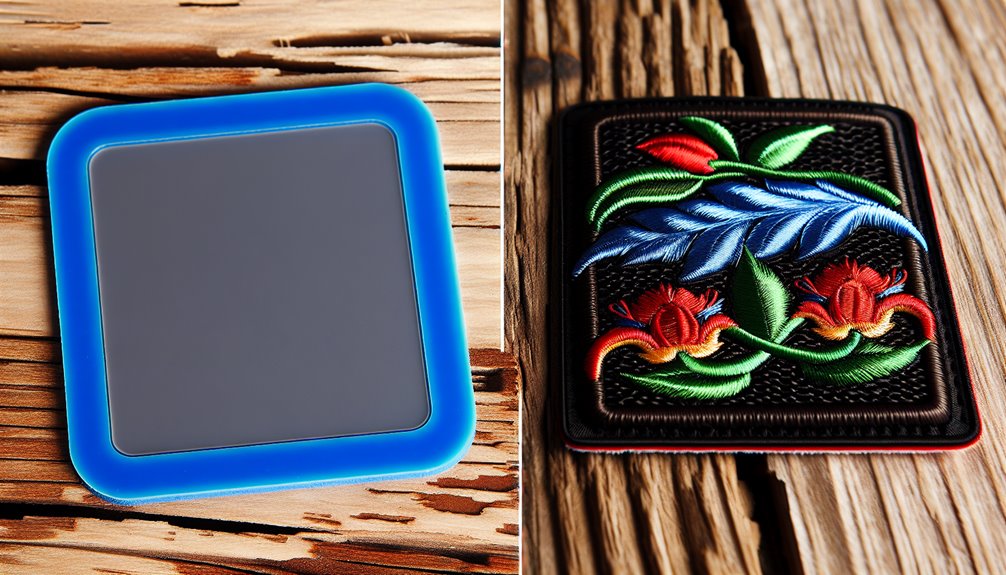
CUSTOM PATCHES
PVC vs. Embroidered Patches: Which Is More Durable?
When comparing the durability of PVC and embroidered patches, PVC patches clearly lead due to their robust polyvinyl chloride material, which resists fading, cracking, and peeling under adverse conditions. Embroidered patches, though rich in tradition and aesthetic appeal, tend to fray and fade more quickly, especially under UV exposure and moisture, which can also lead to mold. PVC patches also offer better long-term cost efficiency, as their durability means fewer replacements are needed. Maintenance is simpler too, with just a wipe needed to clean them, unlike the more delicate care required for embroidered patches. Understanding these factors can guide better decisions concerning patch selection for lasting use.
Understanding PVC Patches
PVC patches, made from durable polyvinyl chloride, offer a versatile and robust alternative for branding and personalization on various items. These patches are known for their ability to withstand harsh environments, making them ideal for outdoor gear, military uniforms, and other items that face extensive wear and tear. The design options for PVC patches are vast, ranging from simple shapes and letters to intricate 3D designs that can feature multiple colors and layers. This flexibility allows organizations and individuals to create highly customized and recognizable branding elements.
When considering cost differences, PVC patches generally present a more budget-friendly option compared to other types of patches, particularly when ordered in bulk. The manufacturing process for PVC patches involves pouring liquid PVC into a mold, which can be efficiently produced once the initial setup is completed. This makes them cost-effective for large orders, as the main expense is in the creation of the mold. However, the initial investment might be higher than some alternatives, which is an important consideration for those managing tight budgets. Overall, PVC patches offer a practical and economical solution for durable and customizable branding.
The Basics of Embroidered Patches
Embroidered patches, crafted with needle and thread on a substrate of fabric, are a traditional form of decorative emblem that add texture and depth to any garment. Originating centuries ago, these patches have evolved from simple hand-sewn designs to intricate works of art, facilitated by modern embroidery machines. Their appeal lies in the richness they can bring to any piece of clothing or accessory, making them popular in fashion, military, and organizational use.
Embroidered patches offer endless possibilities in patch design, allowing for a wide array of thread colors and stitching patterns. Each patch can be customized to reflect personal or collective identities, achievements, or affiliations. The application techniques for these patches vary, ranging from sew-on to iron-on types, each serving different needs based on the durability required and the fabric they will adorn.
| Aspect | Details | Importance |
|---|---|---|
| Design Flexibility | Customizable shapes and sizes | High |
| Color Options | Extensive thread selection | Medium |
| Texture | Raised, tactile finish | High |
| Application | Sew-on, iron-on, Velcro | Depends on usage context |
Understanding these basics guarantees the proper selection and application of embroidered patches, enhancing both their aesthetic appeal and functional longevity.
Durability Comparison
Durability remains a vital factor when considering the type of patches to employ, particularly in environments where wear and tear are prevalent. PVC patches, made from a type of plastic called polyvinyl chloride, are lauded for their resilience against fading, cracking, and peeling. This makes them suitable for outdoor gear and uniforms that frequently endure harsh conditions. In contrast, embroidered patches, while offering a classic aesthetic, might show signs of wear such as fraying and color fading more quickly, especially when subjected to rigorous activities or frequent washing.
The choice between PVC and embroidered patches often comes down to the specific application scenarios and a cost comparison. For instance, PVC patches might initially cost more, but their longevity in demanding settings can make them more cost-effective over time. Embroidered patches, typically less expensive upfront, could require more frequent replacements depending on their usage, adding to long-term costs.
Understanding these differences is essential for making informed decisions that align with both practical needs and budgetary constraints. Each type has its merits, but the ultimate choice should consider the expected conditions of use and the desired lifespan of the patch.
Weather Resistance Analysis
Considering the effects of environmental exposure on material longevity, weather resistance becomes a significant factor in the selection between PVC and embroidered patches. PVC patches offer superior UV protection, ensuring that the colors and structure are maintained despite prolonged exposure to sunlight. This synthetic material is inherently resistant to moisture, making it an ideal choice for outdoor gear or garments that face frequent rain or humid conditions.
Embroidered patches, while visually appealing, do not inherently possess the same level of moisture resistance or protection against UV rays. Their material composition, typically cotton or polyester threads, can degrade under UV light, leading to fading and weakening of the fabric. Additionally, when exposed to moisture, these patches may absorb water, which can result in damage or mold growth if not properly dried.
In terms of handling temperature extremes, PVC maintains its integrity in both hot and cold environments, resisting cracking or peeling. Embroidered patches, however, may suffer from thread contraction or expansion in extreme temperatures, affecting their overall appearance and durability.
Longevity tests indicate that environmental factors like UV exposure, moisture, and temperature variations have a pronounced impact on the lifespan of these materials, guiding users in their choice based on expected conditions of use.
Maintenance and Longevity
PVC patches’ low-maintenance nature contributes greatly to their longevity, as they typically require minimal cleaning and are not prone to damage from environmental factors. This resilience makes them an attractive option for users who seek durability without the hassle of frequent upkeep. When cleaning is necessary, simple wiping with a damp cloth suffices, avoiding the need for specialized cleaning techniques often required by other materials.
In contrast, embroidered patches, while also durable, demand more careful handling during cleaning to preserve their intricate designs. They are more susceptible to fading and fraying, particularly when exposed to harsh detergents or vigorous washing methods. Consequently, choosing the right cleaning techniques is essential for maintaining their appearance and extending their lifespan.
Proper patch storage also plays an important role in the longevity of both PVC and embroidered patches. Storing them in a cool, dry place away from direct sunlight prevents degradation of materials and colors. For embroidered patches, additional precautions like avoiding tightly packed storage areas can prevent the threads from becoming crushed or tangled, which can lead to irreversible damage. Understanding and implementing these maintenance and storage tips can greatly enhance the durability of patches, making them last longer while retaining their aesthetic appeal.